

People who walk more or walk faster live longer, study finds

Rosacea treatments: What works?

For sleep apnea, a dental device may be as effective as CPAP

Carb cycling: What is it, and does it work?

Understanding orthorexia: Have your healthy eating goals gone too far?

Melatonin or magnesium: Can either supplement help you sleep?

Salmonella, E. coli, Cyclospora, and other germs that cause food poisoning: What you need to know

Naturally gluten-free foods

Harvard study: Healthier fats linked to longer life after prostate cancer diagnosis

Shingrix shingles vaccine linked with lower heart disease risks
Vitamins, minerals, herbs, and supplements Archive
Articles

Don't count on a supplement to fix high cholesterol
A 2022 study found that taking supplements for four weeks to treat "bad" LDL cholesterol was ineffective, compared with taking a statin drug for four weeks. Supplements studied included fish oil, cinnamon, garlic, turmeric, plant sterols, and red yeast rice.

Debunking myths about heart disease
Many people have misconceptions about avoiding heart disease. One involves the use of over-the-counter fish oil capsules, which do not prevent heart disease in healthy people. Another relates to confusion about the ideal blood pressure targets in older adults. Some people are misinformed about the implications of a family history of heart disease, while others may be confused about the differences in heart attack symptoms between men and women.

Can supplements improve your prostate health?
Over-the-counter supplements touted to support prostate health are popular, and supposedly help prevent and manage symptoms of an enlarged prostate (benign prostate hyperplasia). Some of the ingredients are said to protect against prostate cancer or slow its growth. While research has explored supplements' role in prostate health and some had positive results, the findings are far from conclusive. A better dietary option for prostate health is to follow a plant-based diet like the Mediterranean or DASH diet.

Vegetarian diet linked to more hip fractures in women
A 2022 study found that women ages 35 to 69 who ate vegetarian diets were significantly more likely to break a hip than peers who ate fish or meat. Vegetarians need to be sure they get adequate amounts of dietary protein, calcium, vitamin D, and other micronutrients to maintain bone health.

Can taking enzyme supplements help soothe my bloating?
Digestive enzyme supplements are promoted to fix problems like bloating, gas, and bowel irregularity. However, for most people, there's little evidence that they help. Doctors may prescribe enzyme pills for people who can't make enough digestive enzymes because of a health condition.
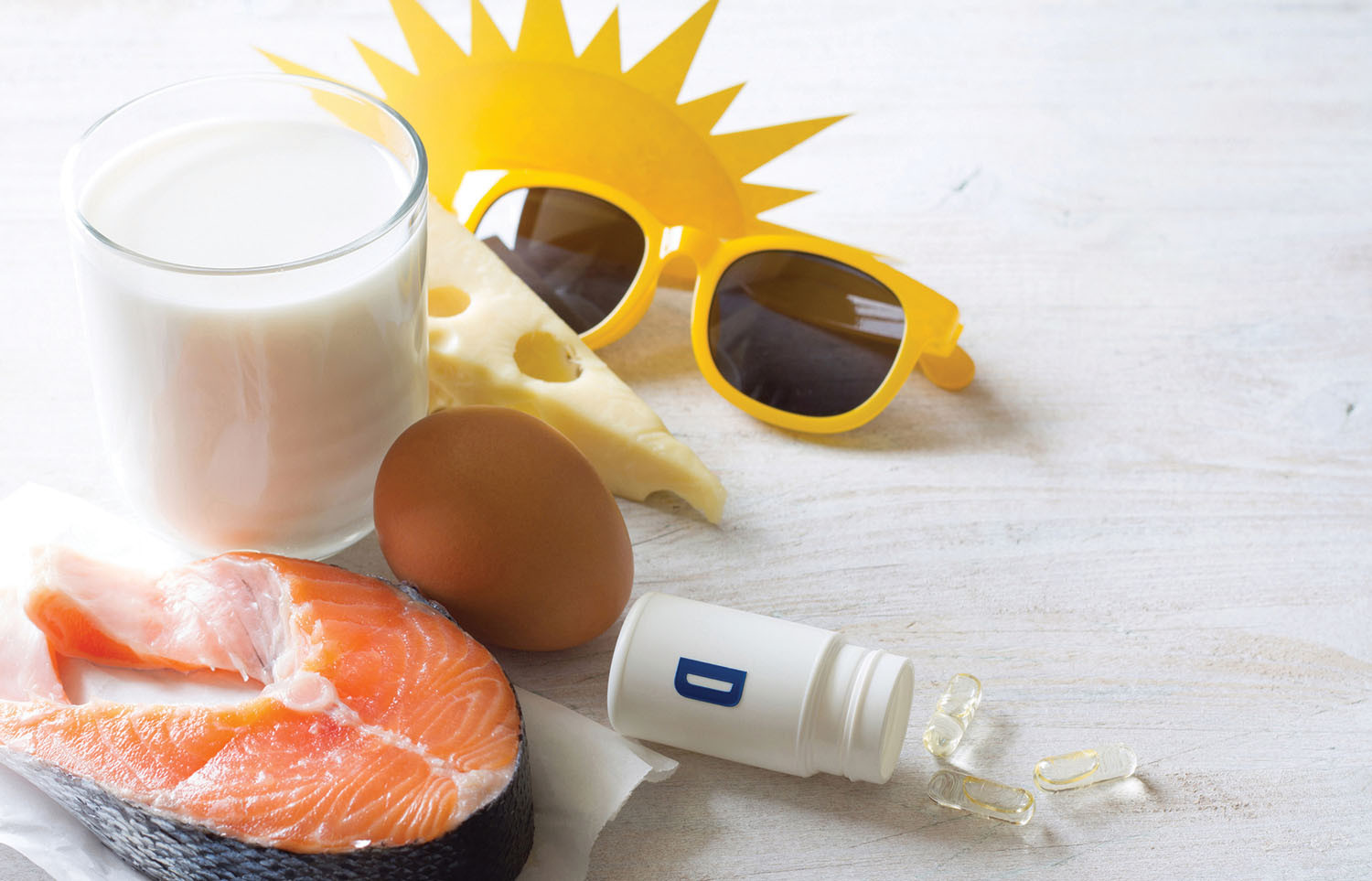
Low vitamin D levels may increase odds of dementia
A 2022 study found that low blood levels of vitamin D (under 25 nanomoles per liter) were linked with higher risks of dementia. People can boost vitamin D levels from diet, supplements, or sun exposure.

Research upholds use of supplements to slow macular degeneration
Ten years of data suggest that AREDS2 supplements are associated with a reduced risk of macular degeneration progression without any increase in lung cancer risk, according to a follow-up study published online June 2, 2022, by JAMA Ophthalmology.

Should you take a vitamin B12 supplement?
An estimated 3.2% of adults ages 50 or older have very low B12 levels, and up to 20% may have borderline deficiency. Aging is often the cause. Other causes include taking heartburn medications; eating a diet that does not include animal products; weight loss surgery; or autoimmune diseases that attack the stomach lining or gastrointestinal tract. It’s a good idea for older adults to take a B12 supplement of 2.8 micrograms daily to ward off B12 deficiency. People who have very low levels of B12 may need to take a much higher dose or get B12 injections.

Why are you taking a multivitamin?
One in three Americans takes a daily multivitamin even though research shows this doesn't provide any meaningful health benefits for most people. And because of the way supplements are regulated, some supplements make claims that have no evidence behind them.

The truth about nutrient deficiencies
Nutrient deficiencies are uncommon with a broad and varied diet. But aging, hormonal factors, or diet can leave women short of four key vitamins and minerals: vitamin D, iron, vitamin B12, and calcium. Various tests can reveal nutrient deficiencies, including blood panels. Vitamin D and fish oil supplements may help prevent autoimmune diseases. Multivitamins are usually unnecessary, except in cases where age, pregnancy, digestive challenges, or certain medications interfere with the ability to get adequate nutrition.
People who walk more or walk faster live longer, study finds
Rosacea treatments: What works?
For sleep apnea, a dental device may be as effective as CPAP
Carb cycling: What is it, and does it work?
Understanding orthorexia: Have your healthy eating goals gone too far?
Melatonin or magnesium: Can either supplement help you sleep?
Salmonella, E. coli, Cyclospora, and other germs that cause food poisoning: What you need to know
Naturally gluten-free foods
Harvard study: Healthier fats linked to longer life after prostate cancer diagnosis
Shingrix shingles vaccine linked with lower heart disease risks
Free Healthbeat Signup
Get the latest in health news delivered to your inbox!
Sign Up
