

Even a little exercise linked with lower stroke risk in people with afib

Testosterone therapy without evidence of deficiency may boost heart risk

Weight-loss drug may lower risk of heart attacks and infections

What to eat on the DASH diet

Migraine: How it's diagnosed and what that means

Tricep workouts you can do at home

Mindfulness practices to reduce stress and improve focus

Antihistamines may not offer meaningful relief from eczema symptoms

Overweight and taking blood pressure medications: Study finds it's a trend that's working

FDA approves first mRNA-based flu vaccine
Vaccines and immunizations Archive
Articles

Why do parents worry about vaccines?
The ongoing measles epidemic spotlights the importance of vaccinations –– and the concerns some parents have about vaccine safety. If you have such concerns, talk to your child’s doctor and learn more about vaccine safety.

HPV vaccine: A vaccine that works, and one all children should get
Human papilloma virus (HPV) causes about 40,000 cases of cancer every year. A long-term study of the HPV vaccine finds it offers protection against many strains of the virus, yet many teens haven’t had this safe, effective vaccine.

DNA testing forever changed donor conception
DNA testing kits can upend identity and spark a multitude of questions for some children conceived with donor sperm and parents who hadn’t shared origin stories.

Children and gun safety: What to know and do
Regardless of individual feelings about guns and gun ownership, everyone wants their children to be safe. Simple safety steps can prevent accidents involving children and guns.
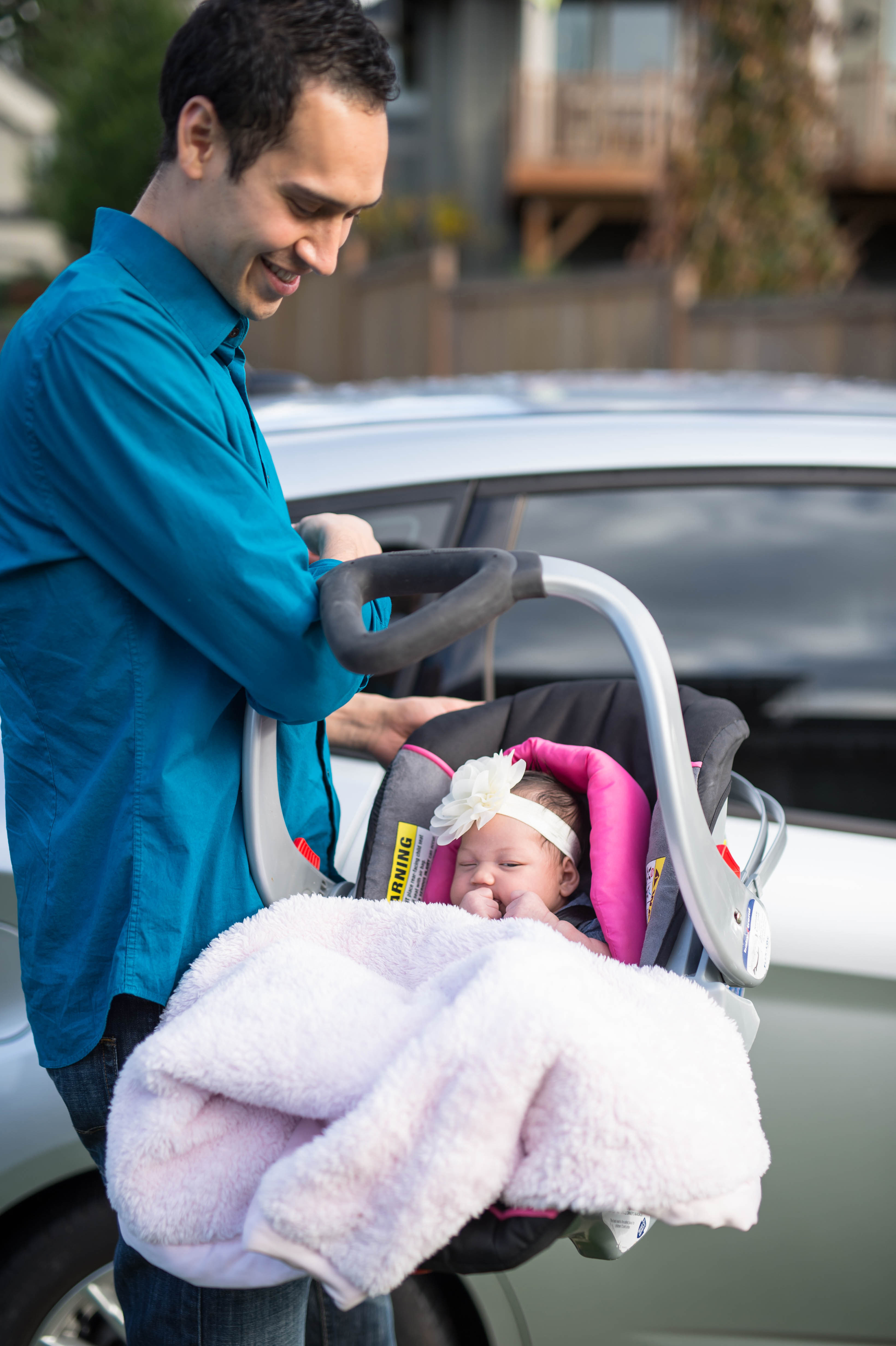
Infant car seats are for cars only (how not to use an infant car seat)
If you use an infant car seat that detaches from the base, it may be convenient to leave your baby in it even when not in a car, but the American Academy of Pediatrics warns people that these seats should be used only for travel in a vehicle.

What do the measles outbreaks mean for me?
Ask the doctor
Q. I hear that there are outbreaks of measles in the United States. I think I had measles when I was young, but I'm not sure. Do I need to worry?
A. The measles virus has been infecting humans for at least 1,000 years. When I was very young, in the 1940s, I got the measles. So did nearly every kid I knew; it is very contagious. I had a high fever, sneezing, coughing, very red eyes, and then a rash on my face and all over my body. Fortunately, I didn't develop the severe complications of measles: pneumonia (which affects one in 20 people with measles) or encephalitis (which affects one in 1,000 and can be fatal). Still, I was miserable for more than a week.

The 6 don’ts of caring for your child’s teeth
Tooth decay is linked to a higher risk of many health problems in adulthood, but often families don’t put enough emphasis on proper and consistent dental care. Avoiding these mistakes can help your children get the right start on their oral health.


The latest deadly superbug, and why it's not time to panic
Infections from a drug-resistant fungus have been occurring around the world for the past decade. It's not cause for panic, but it's wise to understand the facts and ways to protect yourself.

Even a little exercise linked with lower stroke risk in people with afib
Testosterone therapy without evidence of deficiency may boost heart risk
Weight-loss drug may lower risk of heart attacks and infections
What to eat on the DASH diet
Migraine: How it's diagnosed and what that means
Tricep workouts you can do at home
Mindfulness practices to reduce stress and improve focus
Antihistamines may not offer meaningful relief from eczema symptoms
Overweight and taking blood pressure medications: Study finds it's a trend that's working
FDA approves first mRNA-based flu vaccine
Free Healthbeat Signup
Get the latest in health news delivered to your inbox!
Sign Up
