

Even a little exercise linked with lower stroke risk in people with afib

Testosterone therapy without evidence of deficiency may boost heart risk

Weight-loss drug may lower risk of heart attacks and infections

What to eat on the DASH diet

Migraine: How it's diagnosed and what that means

Tricep workouts you can do at home

Mindfulness practices to reduce stress and improve focus

Antihistamines may not offer meaningful relief from eczema symptoms

Overweight and taking blood pressure medications: Study finds it's a trend that's working

FDA approves first mRNA-based flu vaccine
Vaccines and immunizations Archive
Articles


Too old for the pediatrician? Time to switch doctors
Wondering how a teen or young adult can smoothly smoothly transition from seeing a pediatrician to a medical practice that treats adults? Making plans and taking these steps will help.

Can your CPAP make you sick?
Using a CPAP machine is beneficial for people with obstructive sleep apnea, but if the machine isn’t kept clean it could lead to an illness. There are sanitizing systems available, but cleaning the parts by hand is just as effective.

PrEP prevents HIV — so why aren’t more people taking it?
PrEP (pre-exposure prophylaxis) is a daily medication taken to prevent HIV infection. While multiple studies show PrEP is effective, relatively few of those who might benefit are taking it. Will a 10-year initiative to reduce rates of HIV and a new formulation of PrEP help?

Different types of heart murmurs
Ask the doctor
Q. My 2-year-old grandson has a heart murmur. His pediatrician says it's likely nothing serious and will probably disappear when he's older. What causes heart murmurs in children? Are they different than those found in adults?
A. A heart murmur refers to a noise heard through a stethoscope that occurs between the heart's regular beats. Often described as a whooshing sound, murmurs are caused by turbulent blood flow. They can be separated into two categories: functional (also called innocent or benign murmurs) and structural (also known as pathologic murmurs).

Are there any new vaccines?
Ask the doctor
Q. Fancy new technologies keep appearing in medicine. Are there any innovative new kinds of vaccines?
A. There sure are. Vaccines are one of the greatest inventions in history. The smallpox vaccine campaign conducted by the World Health Organization eradicated the disease from the face of the earth by 1980. How much good did that do? From 1900 to 1980, 300 million people died from smallpox. Since 1980, not one death.

Did you get your flu shot yet?
A nasty bout of influenza may leave you more vulnerable to heart problems. Be sure to get vaccinated against this serious infection every year — ideally in September.
Of all the things you can do to help your heart, getting a flu vaccine may be one of easiest. This recommended ritual — which the CDC advises for everyone starting at the age of 6 months — is quick and nearly painless. Yet only about half of adults ages 50 and older get a flu shot.
Avoiding the flu is especially important for people who have or are at risk for heart disease, says cardiologist Dr. Scott Solomon, professor of medicine at Harvard Medical School. "There's growing evidence linking influenza with both heart attacks and heart failure," he says.
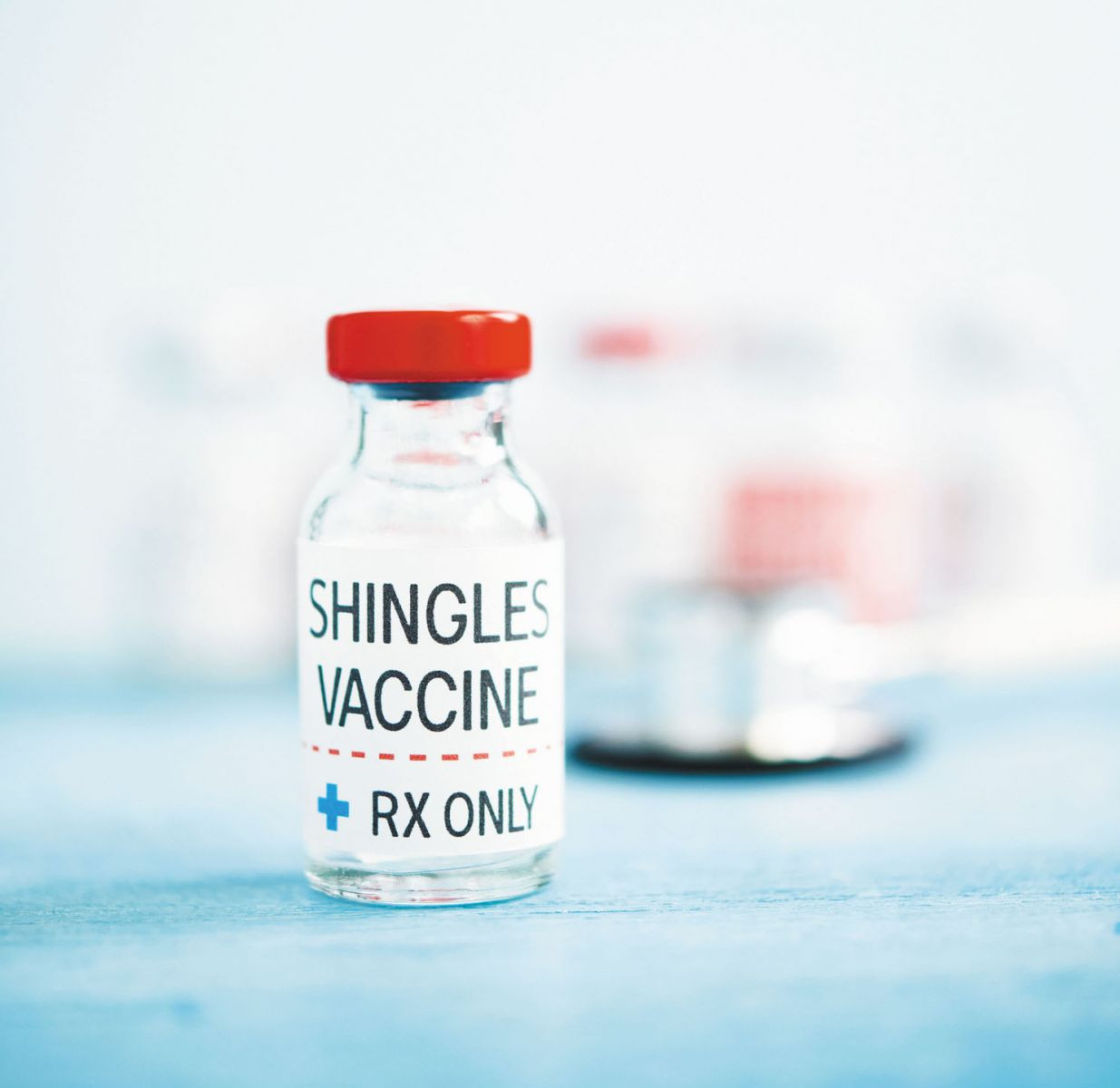
Is shingles contagious?
Ask the doctors
Q. I understand that shingles is caused by a virus. Does that mean that shingles is contagious?
A. Yes and no. If you had chickenpox when you were a child, you are at risk for shingles. Shingles occurs when the varicella-zoster virus that caused your chickenpox re-emerges after lying dormant in your nerve cells from the time of your original illness. When this occurs, you are contagious, but you can't give someone shingles. You can, however, infect people with chickenpox if they haven't been exposed to the virus in the past and haven't been vaccinated against it. For this reason, it's important to take precautions, particularly if you are close to someone who has a weakened immune system.
How early can you — and should you — diagnose autism?
If a parent thinks a child might have autism, it helps to get a definitive diagnosis as early as possible, since the earlier treatment can begin, the better it is for the child. But at what age can a reliable diagnosis be made?

Keeping children safe around cosmetics
Between 2002 and 2016, over 4,000 children under 5 were treated each year in US emergency departments for cosmetics-related injuries. Take precautions with your cosmetic products to keep children safe.
Even a little exercise linked with lower stroke risk in people with afib
Testosterone therapy without evidence of deficiency may boost heart risk
Weight-loss drug may lower risk of heart attacks and infections
What to eat on the DASH diet
Migraine: How it's diagnosed and what that means
Tricep workouts you can do at home
Mindfulness practices to reduce stress and improve focus
Antihistamines may not offer meaningful relief from eczema symptoms
Overweight and taking blood pressure medications: Study finds it's a trend that's working
FDA approves first mRNA-based flu vaccine
Free Healthbeat Signup
Get the latest in health news delivered to your inbox!
Sign Up
