

Whole grains may improve several heart risk factors at once

Light exposure at night may raise risk for heart disease

Children of centenarians may stay healthier and live longer too, study finds

A lumbar belt may help ease low back pain

Signs of pneumonia: Sometimes vague and unexpected

The surprising link between ovarian cancer and the fallopian tubes

Using a vibration plate: What it can — and can't — do for your body

People who walk more or walk faster live longer, study finds

Rosacea treatments: What works?

For sleep apnea, a dental device may be as effective as CPAP
Vaccines and immunizations Archive
Articles
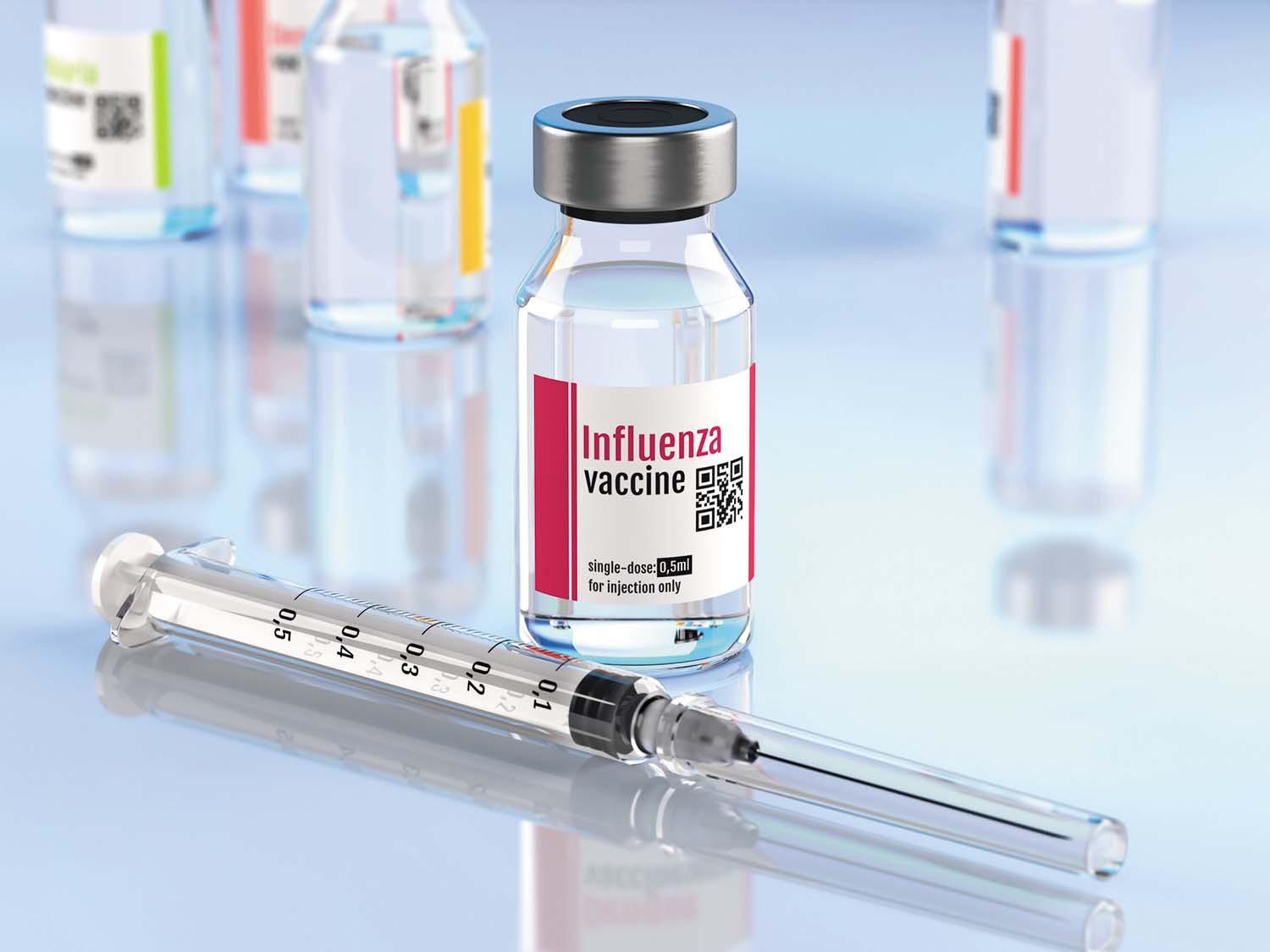
When will we see a "one-and-done" flu shot?
Scientists are trying to create a vaccine that would protect people against all different strains of the influenza (flu) virus. These vaccines are being designed to target parts of the flu virus that don't change regularly and so are consistent across all strains. The perfect vaccine would also prevent symptoms (since current vaccines help prevent hospitalization and death, but not symptoms), and its effects would last for a lifetime. While such a vaccine is still many years away from reality, improved flu vaccines are expected in the meantime.
Will we ever have a vaccine to prevent Alzheimer's disease?
There are currently nine trials of vaccines for Alzheimer's disease under way. All of them are in people with mild Alzheimer's or with the pre-Alzheimer's condition called mild cognitive impairment. All of the vaccines are designed to encourage the immune system to remove protein deposits from the brain. Most experimental vaccines are given by injection; one being tested at Harvard Medical School uses a nasal spray. It will be several years before we know if any of them will work.
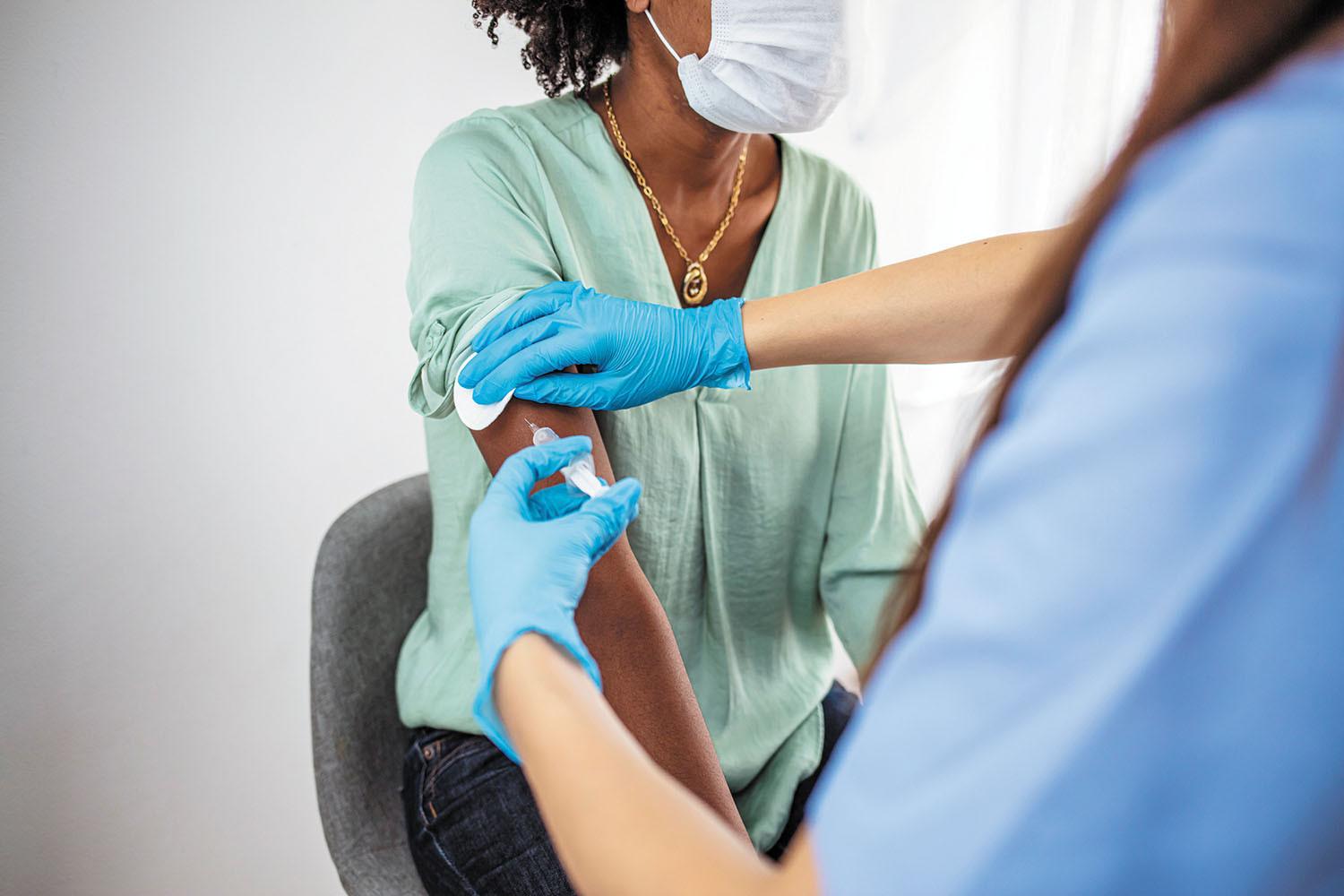
Why does my arm hurt after I get a shot?
Arm tenderness is the most common side effect after vaccination. The injection stretches muscle fibers and triggers an immune response, causing discomfort. People can counter pain by moving the injected arm afterward and applying a cool compress or ice pack.
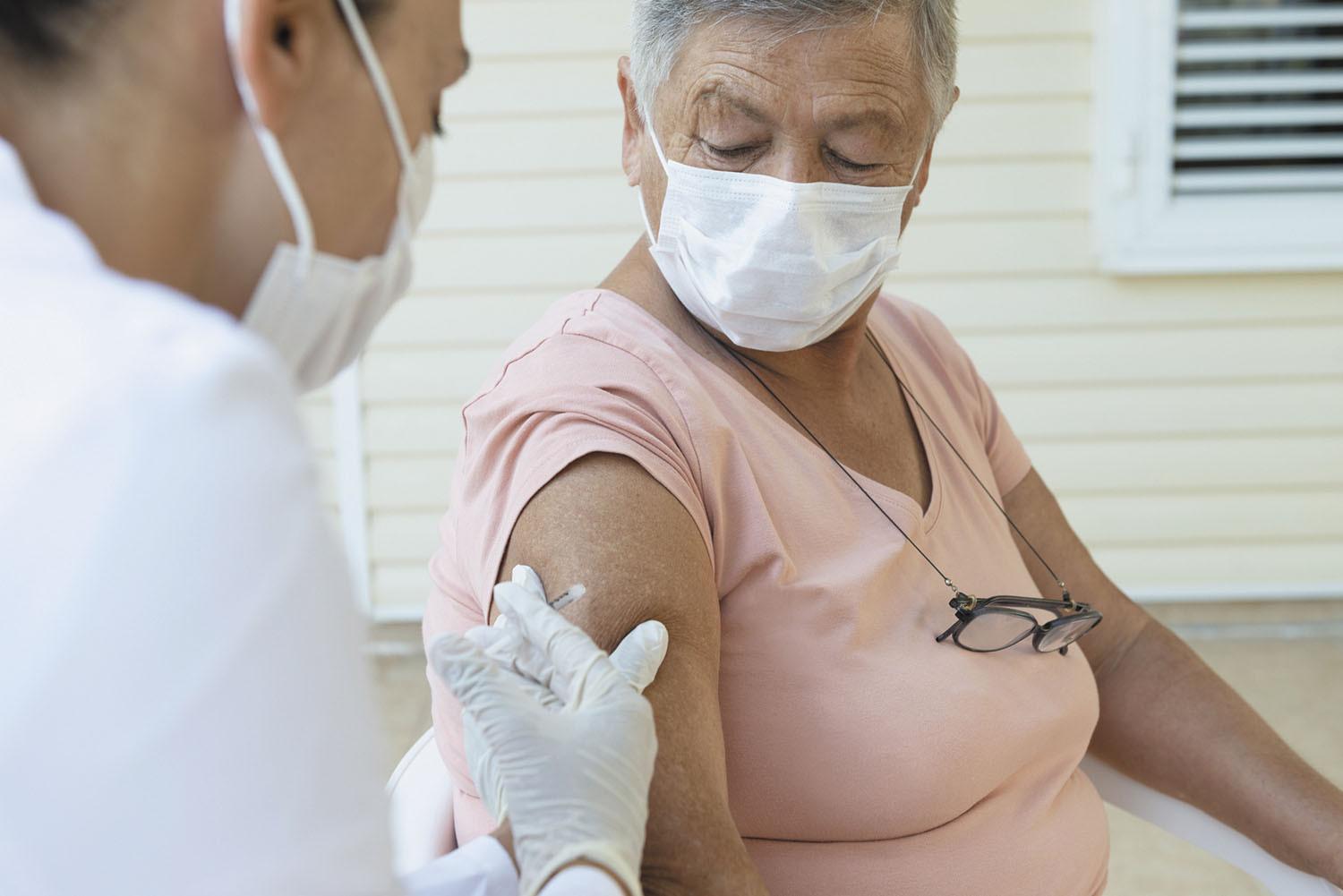
Why do we need new flu shots every year?
With influenza virus, a new vaccine must be developed each year to adapt to the virus's changing structure.
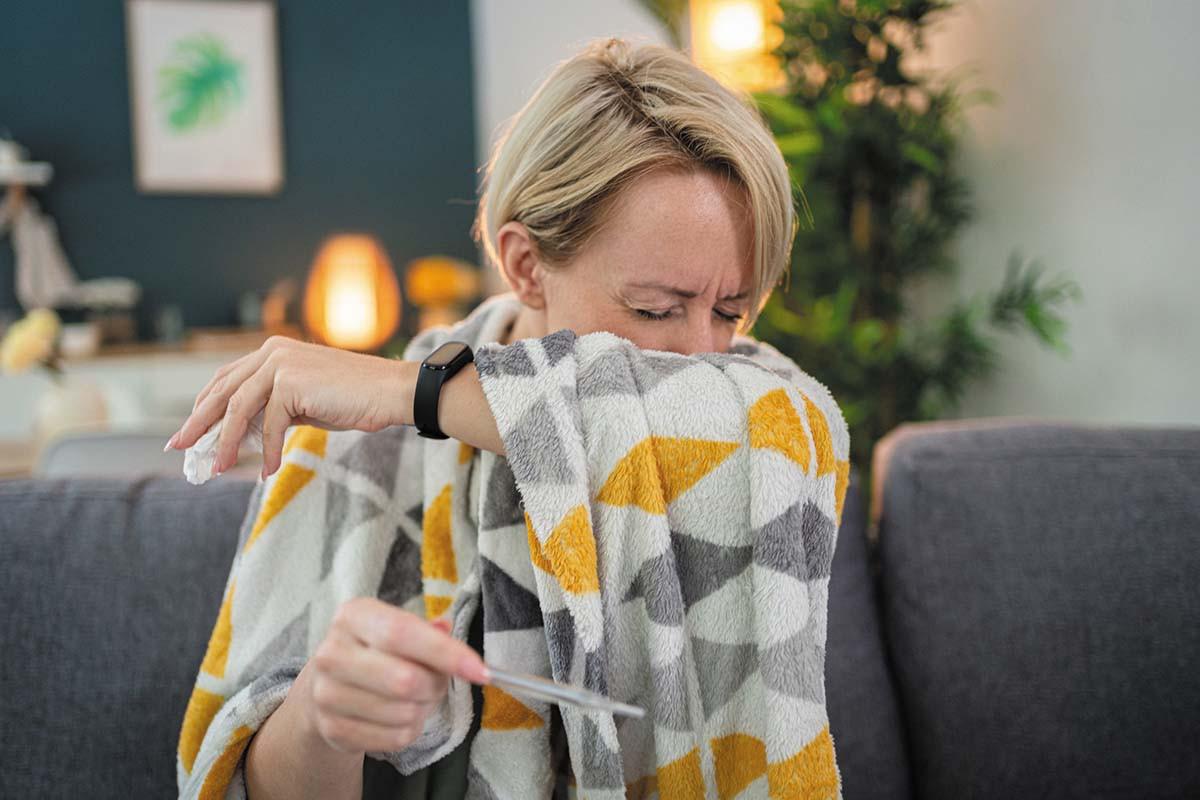
Why does the flu cause body aches?
The flu virus triggers bodywide aches and pain by causing inflammation. People can ease flu aches by staying hydrated; taking warm showers; and using over-the-counter anti-inflammatory drugs such as ibuprofen (Advil, Motrin) or naproxen (Aleve).

Shingles vaccine may protect against dementia
A 2025 study suggested that getting the shingles vaccine can significantly reduce the likelihood of developing dementia, especially among women.

Does this vaccine ward off dementia?
A 2025 study found that the shingles vaccine reduced the risk of developing dementia by 20%. The study supports (but doesn't absolutely prove) the theory that infections may be one cause of Alzheimer's disease and possibly other forms of dementia.

Why are measles and other "eradicated" infectious diseases coming back?
Measles have made a comeback, with outbreaks in many states. The infection is extremely contagious and can be deadly. Most people getting measles were not vaccinated against it. Adults should get the vaccine if they were born after 1957 and didn't receive two doses. They should get a booster shot if they received the vaccine between 1963 and 1968, when the vaccine used was not as strong as the one that's been given since 1968.

Be alert to an increasingly common threat - tick-borne illnesses
Ticks are an increasingly common source of illness, especially in the summer months. While these illnesses used to be common only in certain areas of the country, today more people across the United States are at risk. These conditions typically produce nonspecific symptoms such as fever, headache, and joint pain, and are treated using antibiotics.

A bird flu primer: What to know and do
A bird flu strain that began circulating in 2020 continues to evolve globally and locally within the United States. If you're wondering what this means, understanding the basics - what bird flu is, how it spreads, whether foods are safe, and prevention tips - can help.
Whole grains may improve several heart risk factors at once
Light exposure at night may raise risk for heart disease
Children of centenarians may stay healthier and live longer too, study finds
A lumbar belt may help ease low back pain
Signs of pneumonia: Sometimes vague and unexpected
The surprising link between ovarian cancer and the fallopian tubes
Using a vibration plate: What it can — and can't — do for your body
People who walk more or walk faster live longer, study finds
Rosacea treatments: What works?
For sleep apnea, a dental device may be as effective as CPAP
Free Healthbeat Signup
Get the latest in health news delivered to your inbox!
Sign Up
