

Healing after food poisoning

What is tempeh? Benefits, nutrition, and how to use it

Light exposure at night may raise risk for heart disease

Whole grains may improve several heart risk factors at once

A lumbar belt may help ease low back pain

Children of centenarians may stay healthier and live longer too, study finds

Signs of pneumonia: Sometimes vague and unexpected

The surprising link between ovarian cancer and the fallopian tubes

Using a vibration plate: What it can — and can't — do for your body

People who walk more or walk faster live longer, study finds
Urinary incontinence Archive
Articles
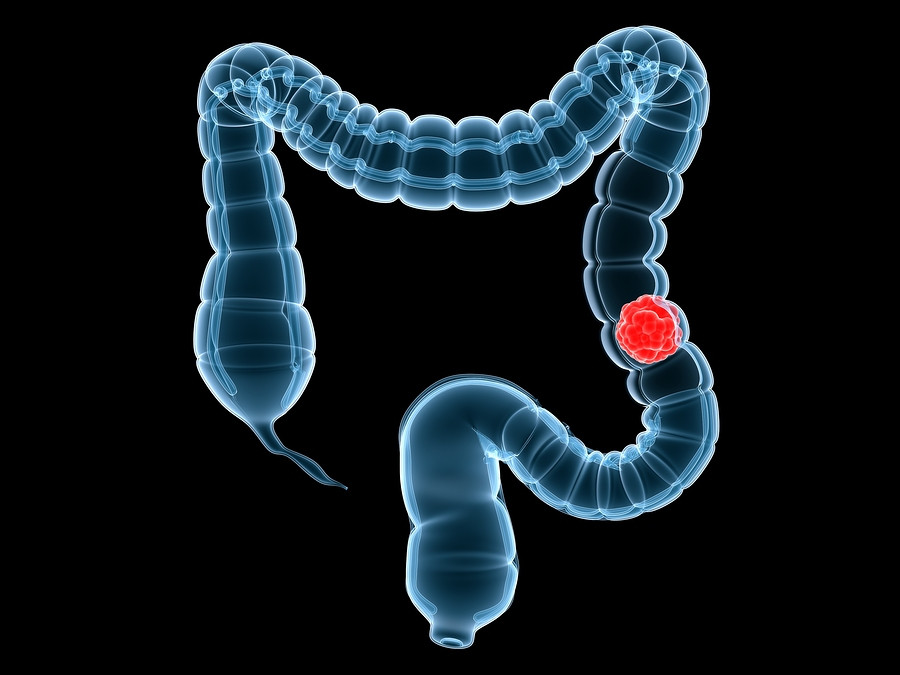
A new look at colon cancer screening
Don't be intimidated about screening tests. The latest guidelines suggest you can choose from multiple strategies.
Image: Bigstock
Colon cancer continues to be the country's second leading cause of cancer-related deaths and the third most common cancer in men, according to the CDC.
It almost always develops from precancerous polyps (abnormal growths). Screening tests, which are recommended for men ages 50 to 75, help find and sometimes aid removal of polyps before they become cancer. (Men older than 75 may still benefit, depending on their health.)

Higher levels of omega-6 fatty acids may lower death rates in older men
A new study found that high levels of omega-6 fatty acids in the subcutaneous adipose tissue—the layer of fat just beneath the skin—correlated with lower death rates among older men. Omega-6s mostly come in the form of linoleic acid, found in plant oils (such as corn, soybean, and sunflower oils) as well as nuts and seeds. Linoleic acid is known to shrink levels of bad LDL cholesterol in the blood, which can contribute to lower incidence of heart disease.

Easy ways to build better bones
Strength training, weight-bearing exercise, a healthy diet, and medication can help.
Image: Tatomm/iStock
An estimated 10 million people in the United States are coping with the brittle, fragile bones of osteoporosis—a disorder that causes severe bone loss. It's most common in women, and the risk is higher in those who are thin, age 50 or older, or of Caucasian or Asian descent. It also occurs in men, who make up about 20% of osteoporosis cases. The condition puts a person at a high risk for bone fractures, disability, loss of independence, and even death. That's why it's important to make your bones as strong as possible. "There are many ways to build bone mass, and the people who do tell us they feel stronger and more capable on their feet," says Rachel Wilson, a physical therapist at Harvard-affiliated Brigham and Women's Hospital.
There isn't one magic way to build bone mass. It takes a number of the following strategies.

Staying active at “that time of the month”
The belief that women should avoid exercise or athletics during their menstrual periods, because it can affect performance or increase the risk of injury, is not necessarily true. Good training may reduce the risks of injury and enhance performance much more than trying to time exercise around one’s periods.


A better sex life requires more than popping a pill
Image: iStock
The never-ending advertisements for erectile dysfunction drugs seem to suggest that popping a pill is all it takes to guarantee a great sex life for men dealing with this challenging problem.
But a satisfying sex life takes a lot more than functioning body parts — erectile dysfunction can set in motion a cycle of emotional and relationship problems. And "fixing" the ability to achieve an erection may uncover other sources of sexual dysfunction, such as low libido, difficulties with arousal, or sexual issues in a partner.

Walking while golfing: Is this sufficient exercise?
Studies of golfers have found that playing 18 holes is about equal to brisk walking in terms of intensity—even though golf walking is stop-and-go. However, in order to gain the maximum cardiovascular benefit from exercise, people may want to add a day or two of higher-intensity activities, such as running, tennis, or something similar that raises your heart rate.

Join the healthy heart trend
The rates of heart disease have dropped over the past decade. How can you be part of this pattern?
Image: Photos.com/ Thinkstock
Heart disease continues to be the No. 1 cause of death among men, but there is some good news—fewer older adults have heart disease. A recent report from the National Health and Nutrition Examination Survey found the rates for this condition among people age 60 and older have fallen from 19.5% to 14.9% in the past decade.
What caused this downward trend? And how can you follow?
Healing after food poisoning
What is tempeh? Benefits, nutrition, and how to use it
Light exposure at night may raise risk for heart disease
Whole grains may improve several heart risk factors at once
A lumbar belt may help ease low back pain
Children of centenarians may stay healthier and live longer too, study finds
Signs of pneumonia: Sometimes vague and unexpected
The surprising link between ovarian cancer and the fallopian tubes
Using a vibration plate: What it can — and can't — do for your body
People who walk more or walk faster live longer, study finds
Free Healthbeat Signup
Get the latest in health news delivered to your inbox!
Sign Up
