

Healing after food poisoning

What is tempeh? Benefits, nutrition, and how to use it

Light exposure at night may raise risk for heart disease

Whole grains may improve several heart risk factors at once

A lumbar belt may help ease low back pain

Children of centenarians may stay healthier and live longer too, study finds

Signs of pneumonia: Sometimes vague and unexpected

The surprising link between ovarian cancer and the fallopian tubes

Using a vibration plate: What it can — and can't — do for your body

People who walk more or walk faster live longer, study finds
Urinary incontinence Archive
Articles

Opioid use disorder in older adults: More common than you might think
Adults over 60 are the largest users of prescription opioids in the United States. Opioid use disorder and death rates among older adults have skyrocketed in recent years. Various factors make people more likely to abuse opioids, including smoking or earlier substance use problems. People can avoid sliding into opioid misuse by taking opioids for the shortest possible time, using non-opioid medications, and trying alternative pain relief approaches.

Study questions commercial men's health clinics services
Consumers should be wary about direct-to-consumer men's health clinics, as many offer costly treatments not supported by evidence and lack medical oversight, according to a 2023 investigative study.

The kidney-heart connection
More than one in seven adults has chronic kidney disease, yet many of them aren't aware of the problem. Early-stage kidney disease often has no symptoms, but the condition slowly and silently worsens over time. The two most common causes of chronic kidney disease—high blood pressure and diabetes—are also leading risk factors for heart disease, which means the two diseases often overlap. Most people know their blood pressure and cholesterol values, but few are familiar with the tests used to assess kidney health. They include serum creatinine, estimated glomerular filtration rate, and urine protein tests.
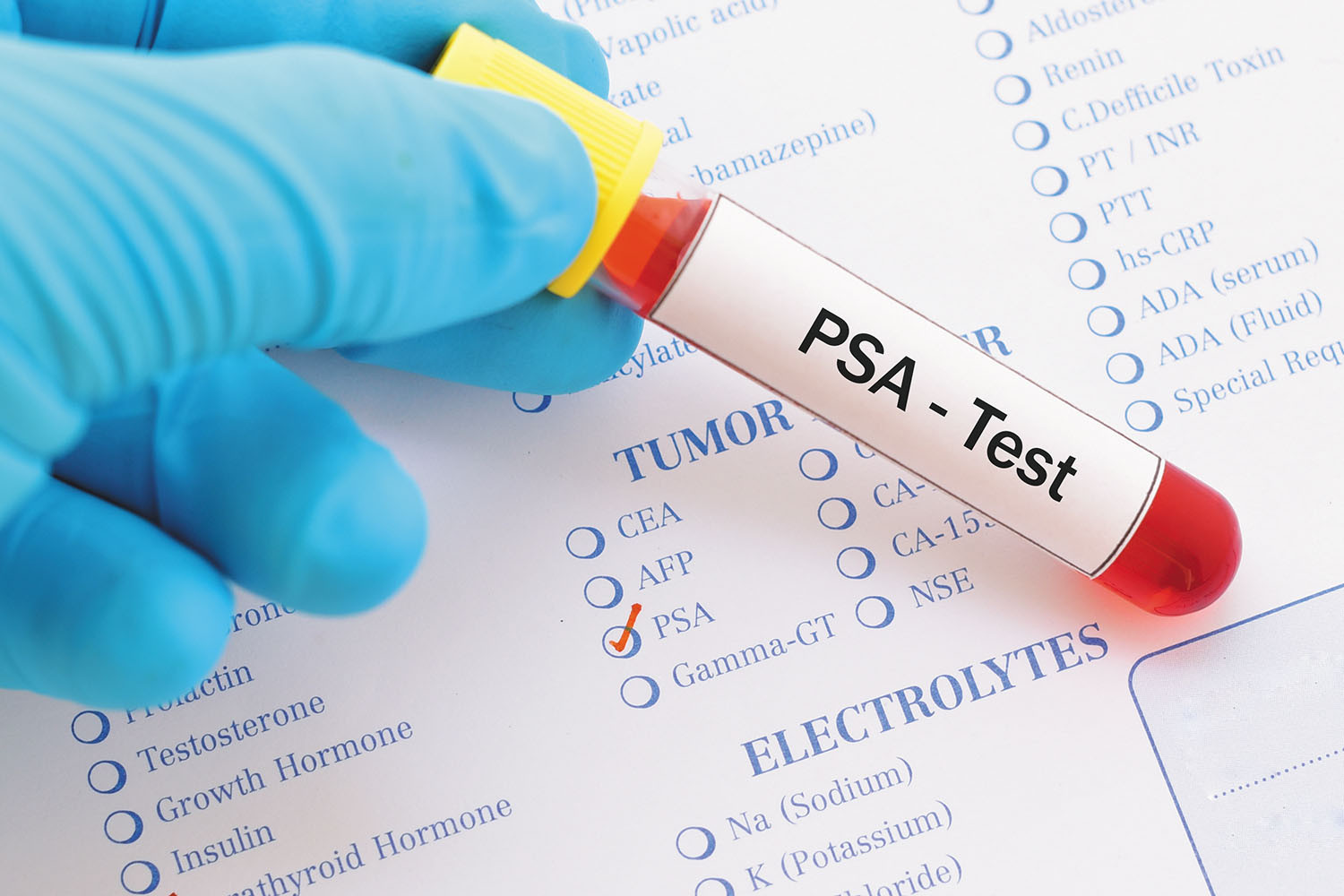
Older men continue to have excessive PSA testing
Guidelines recommend against routine prostate-specific antigen (PSA) testing in men ages 70 and older. Still, two 2023 studies found that men in this age group are having too many PSA tests.

Sexual feelings
Feelings of sexual desire change for both men and women as they age. Sometimes the desire is more robust for only one partner, or desires fluctuate so much that partners are rarely in sync. Talking about these changes and exploring different ways to approach this new phase of sex can help both partners find mutual enjoyment.

Does my prostate cancer increase my risk for other cancers?
In general, prostate cancer that occurs after age 60 does not increase the risk of getting a second, different cancer. However, lifestyle habits that contribute to prostate cancer, like poor diet, lack of exercise, and obesity, can raise the risk for other cancers.

Older women disproportionately diagnosed with advanced cervical cancer
A 2023 study indicates that women 65 and older are diagnosed with advanced cervical cancer more often than younger women, and they have a worse prognosis.

How to prevent kidney stones
Drinking water and changing your diet are just some ways to avoid kidney stones. See the full list here.

Young men with prostate cancer: Socioeconomic factors affect lifespan
Prostate cancer is generally viewed as a disease of older men, yet about 10% of new diagnoses occur in men age 55 or younger. Biological differences partially explain the discrepancy, but socioeconomic factors also play an important role.

Do you need testosterone therapy?
Advertisements and celebrity endorsements claim that by raising testosterone levels with testosterone replacement therapy (TRT), men can boost their sex drive and feel more robust. While TRT can help improve some physical, sexual, and mental health symptoms associated with low testosterone levels, it may not work for everyone, and despite the miracle claims, TRT cannot make older men feel 30 years younger.
Healing after food poisoning
What is tempeh? Benefits, nutrition, and how to use it
Light exposure at night may raise risk for heart disease
Whole grains may improve several heart risk factors at once
A lumbar belt may help ease low back pain
Children of centenarians may stay healthier and live longer too, study finds
Signs of pneumonia: Sometimes vague and unexpected
The surprising link between ovarian cancer and the fallopian tubes
Using a vibration plate: What it can — and can't — do for your body
People who walk more or walk faster live longer, study finds
Free Healthbeat Signup
Get the latest in health news delivered to your inbox!
Sign Up
