CoQ10: Should you take this popular supplement if you're on a statin?

Microplastics: A hidden health threat?

Oat vs. dairy milk: Nutrition, benefits, and downsides

What is tempeh? Benefits, nutrition, and how to use it

Healing after food poisoning

Children of centenarians may stay healthier and live longer too, study finds

Light exposure at night may raise risk for heart disease

A lumbar belt may help ease low back pain

Whole grains may improve several heart risk factors at once

Signs of pneumonia: Sometimes vague and unexpected
Type 1 diabetes Archive
Articles

Fatty liver disease: A threat to the heart?
A buildup of fat inside the liver, known as nonalcoholic fatty liver disease (NAFLD) affects about 25% of adults. This under-recognized condition is closely linked to obesity (especially excess weight around the middle of the body), type 2 diabetes, and cardiovascular disease. People with NAFLD can slow or even reverse the condition with the same lifestyle strategies that improve cardiovascular health: losing weight, adopting a healthy diet, and exercising regularly.

The bitter truth about added sugar
American adults consume an average of 77 grams (almost 20 teaspoons) of sugar per day. A little extra sugar may seem harmless, but the amounts can add up and, over time, contribute to a variety of health issues, like obesity, diabetes, and heart disease. Avoiding high-sugar foods by reading labels and cutting out sugar-sweetened beverages are the best ways to lower intake of added sugar.

Does human growth hormone slow the aging process?
Contrary to its reputation as an anti-aging supplement, human growth hormone is not effective at turning back the clock, and it may carry health risks. Commitment to a healthy diet and regular exercise is still the best formula for healthy aging.

The far-reaching effects of a little bit of weight loss
Losing 5% of one's total body weight can result in clinically significant physiologic changes. For example, losing a little weight can reduce heartburn, knee pain, blood pressure, and diabetes risk. Losing 5% of one's body weight may also lead to better sexual function, more restorative sleep, extra energy, and more self-esteem. To reach a 5% reduction in total body weight, it helps to exercise; eat a healthy diet rich in lean proteins, whole grains, fruits, vegetables, legumes, nuts, and seeds; and get enough sleep.

When the liver gets fatty
The increase in obesity and type 2 diabetes among Americans has led to an increase in fatty liver disease. Weight loss and exercise are the mainstays of treatment.
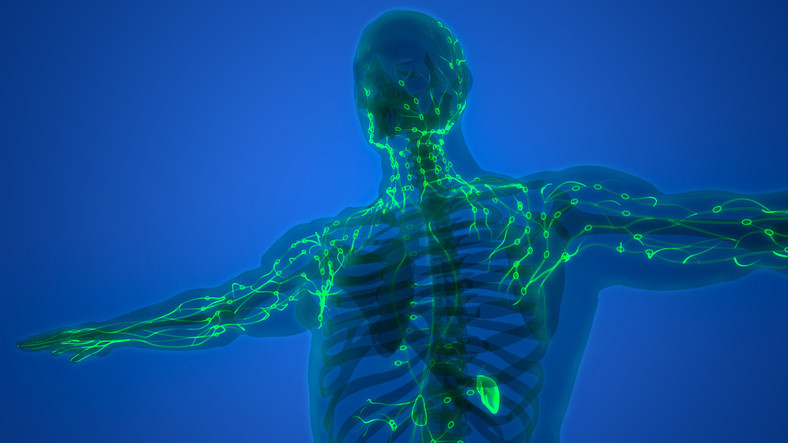
Wondering what your lymph nodes have done for you lately?
The human body has hundreds of lymph nodes, one part of the immune system that helps defend the body against health threats. They aren't usually noticeable, but they are always working to deal with potential health problems.

Heart disease risk: Partnering on lifestyle change can help
For people who have risk factors for heart disease, it's important to make lifestyle changes like losing weight, getting more exercise, and eating a healthier diet. Longstanding habits are hard to change, but managing the challenge of healthy eating is easier if people have a partner who is supportive and involved in making food choices.

Is tight blood sugar control right for older adults with diabetes?
Diabetes is a condition in which both high and low glucose levels are harmful to the body. In older individuals with multiple risk factors for hypoglycemia, the goal should be the best blood sugar control that can be achieved without putting the individual at risk for dangerously low blood sugar.


A closer look at alcohol's effect on heart health
Excessive drinking can contribute to high blood pressure, obesity, and stroke, while moderate drinking (no more than one drink per day for women and two drinks or fewer per day for men) is linked to a lower risk of heart problems. One possible mechanism might be stress reduction. Brain scans of people who reported light to moderate drinking show less activity in the part of the brain that responds to stress, compared with the scans of people who abstained or drank very little. Stress not only raises blood pressure and heart rate but also triggers inflammation that causes plaque buildup, which contributes to heart attacks.
CoQ10: Should you take this popular supplement if you're on a statin?
Microplastics: A hidden health threat?
Oat vs. dairy milk: Nutrition, benefits, and downsides
What is tempeh? Benefits, nutrition, and how to use it
Healing after food poisoning
Children of centenarians may stay healthier and live longer too, study finds
Light exposure at night may raise risk for heart disease
A lumbar belt may help ease low back pain
Whole grains may improve several heart risk factors at once
Signs of pneumonia: Sometimes vague and unexpected
Free Healthbeat Signup
Get the latest in health news delivered to your inbox!
Sign Up