

Whole grains may improve several heart risk factors at once

Light exposure at night may raise risk for heart disease

Children of centenarians may stay healthier and live longer too, study finds

A lumbar belt may help ease low back pain

Signs of pneumonia: Sometimes vague and unexpected

Using a vibration plate: What it can — and can't — do for your body

The surprising link between ovarian cancer and the fallopian tubes

People who walk more or walk faster live longer, study finds

Rosacea treatments: What works?

For sleep apnea, a dental device may be as effective as CPAP
Thyroid disorders Archive
Articles

The sweet danger of sugar
People consume too much added sugar — extra amounts that food manufacturers add to products to increase flavor and extend shelf life — which can have a serious impact on heart health.

Can lifestyle changes reverse fatty liver disease?
A new fatty liver diagnosis can be a wake-up call. Explore how diet, exercise, weight loss, and cutting alcohol may help protect your liver.

Could frequent hunger and dizziness be signs of low blood sugar?
Unexplained weight loss, frequent hunger, and feeling shaky or ill between meals may signal blood sugar swings that deserve a closer look.


Could certain symptoms indicate low blood sugar in someone with type 2 diabetes?
Strict blood sugar targets can raise hypoglycemia risks like falls and confusion. Learn why many experts now favor looser goals for older adults.
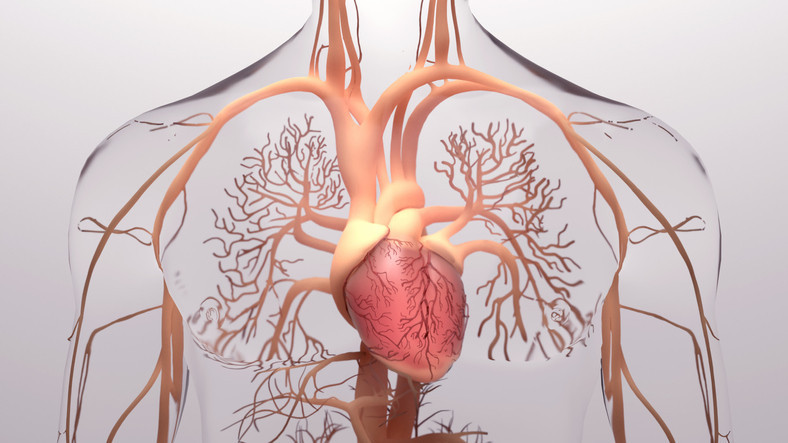
How good is your cardiometabolic health - and what is that, anyway?
An analysis shows less than 7% of adults in the US meet the criteria for optimal cardiometabolic health. Taking small steps to help control and improve key risk factors can reduce the odds of a heart attack or stroke.
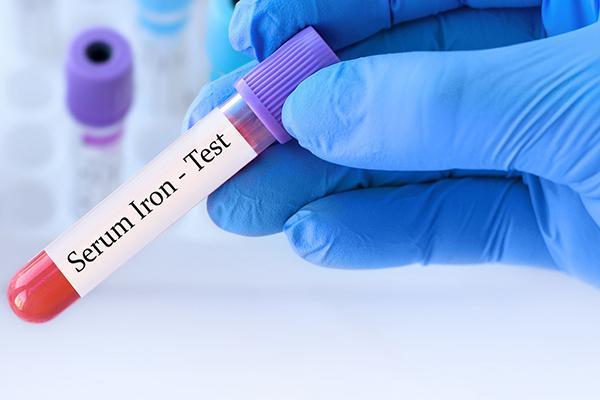
I have a high iron blood level. What does that mean?
A single high iron result doesn't always equal iron overload. Learn which follow‑up tests matter and when changing what you eat might help.

What kind of radiation causes thyroid cancer?
From x-ray treatments to other imaging tests, not all radiation is equal. See which exposures worry thyroid experts and which don’t.
What's the connection between an underactive thyroid, cholesterol, and blood sugar levels?
Low thyroid hormone can quietly nudge LDL and glucose in the wrong direction. Learn more about the connection.

Why do I feel low blood sugar symptoms even when my glucose is in the normal range?
Long‑standing, poorly controlled diabetes can shift how your brain senses "low" glucose. Learn why near‑normal levels may trigger symptoms.
Whole grains may improve several heart risk factors at once
Light exposure at night may raise risk for heart disease
Children of centenarians may stay healthier and live longer too, study finds
A lumbar belt may help ease low back pain
Signs of pneumonia: Sometimes vague and unexpected
Using a vibration plate: What it can — and can't — do for your body
The surprising link between ovarian cancer and the fallopian tubes
People who walk more or walk faster live longer, study finds
Rosacea treatments: What works?
For sleep apnea, a dental device may be as effective as CPAP
Free Healthbeat Signup
Get the latest in health news delivered to your inbox!
Sign Up
