

Light exposure at night may raise risk for heart disease

Whole grains may improve several heart risk factors at once

A lumbar belt may help ease low back pain

Children of centenarians may stay healthier and live longer too, study finds

Signs of pneumonia: Sometimes vague and unexpected

The surprising link between ovarian cancer and the fallopian tubes

Using a vibration plate: What it can — and can't — do for your body

People who walk more or walk faster live longer, study finds

For sleep apnea, a dental device may be as effective as CPAP

Rosacea treatments: What works?
Stroke Archive
Articles
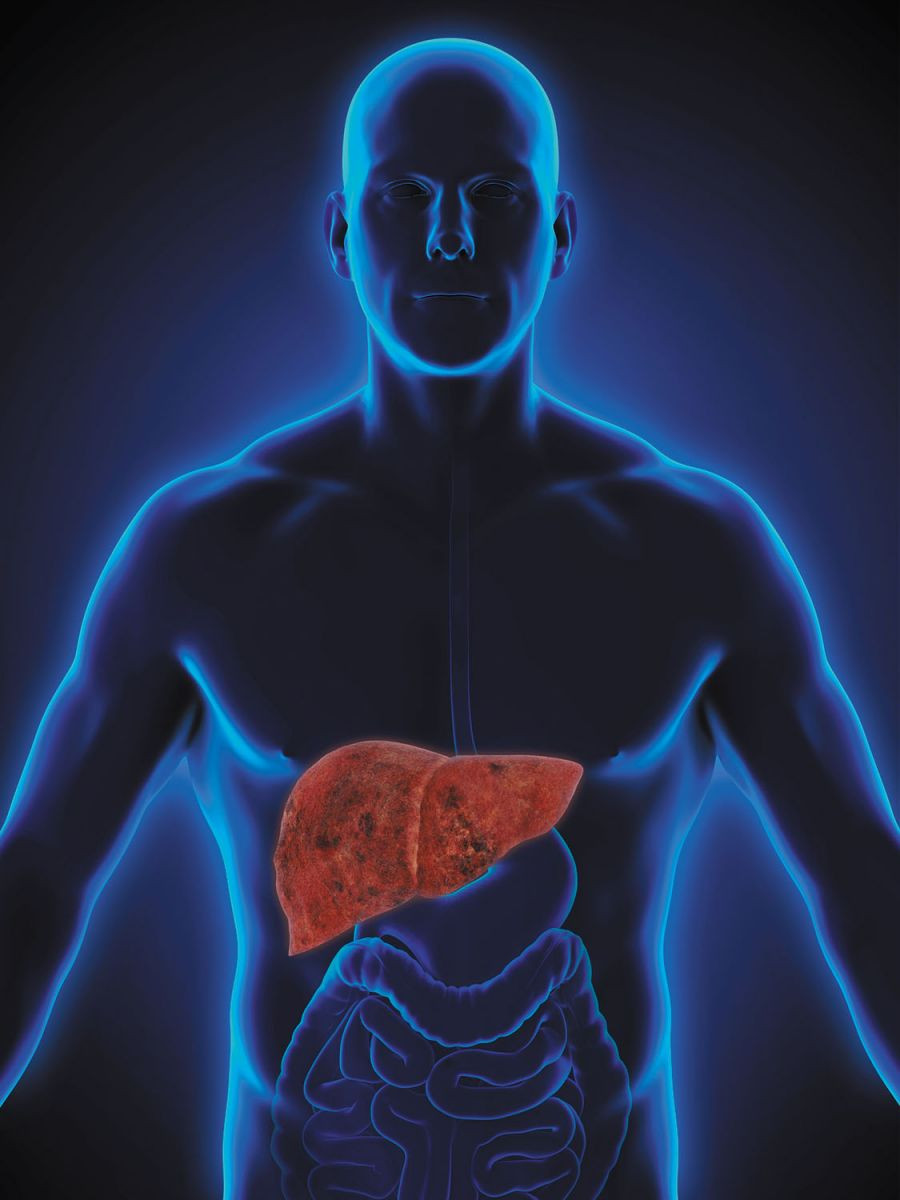
The skinny on fatty liver disease
Rates continue to rise, but there are ways to protect yourself and even reverse the effects of this dangerous disorder.
Your liver is your largest internal organ and your body's workhorse. Among its many jobs are converting food into fuel, processing fat from your blood, clearing harmful toxins, and making proteins that help your blood clot. Yet this hard-working, supersized organ is susceptible to a dangerous and often hard-to-diagnose condition called nonalcoholic fatty liver disease, or NAFLD.
NAFLD is defined as the presence of fat in more than 5% of liver cells. It is the most common liver disease and affects up to 25% of American adults, 60% of whom are men.

Is it a cold or allergies?
Ask the doctors
Q. I feel like I have a perpetual cold all winter, every winter. I'm stuffy and sneezy and it never seems to get better. Do you think it could be allergies? How can I tell the difference?
A. Colds and allergies produce many of the same symptoms: a runny nose, tiredness, and sometimes a sore throat. But they have different causes — a virus causes colds, while allergies are an immune system response to trigger substances, known as allergens. There are ways to distinguish one from the other. Colds sometimes produce a fever, but allergies never do. In addition, if you are suffering from allergies, you may also have itchy, watery eyes, symptoms that won't typically accompany a cold. But perhaps the biggest clue that can help you distinguish between a cold and allergies is the duration of symptoms. Cold symptoms rarely last more than two weeks, but allergies can last as long as you are exposed to the substance that is triggering the reaction. So, if your "cold symptoms" appear at the same time every year and last for an extended period of time, the cause may very well be allergies. Many people with seasonal allergies will experience symptoms for six weeks at a time. If you are allergic to something in your home, such as dust mites, mold, or pet dander, your symptoms could get worse during the winter months, because the house is sealed up and fresh air isn't getting in. In addition, your heating system may be recirculating the allergen. Because your symptoms last for an extended period of time, it may be worth a visit to the allergist.
What causes my feet to suddenly become numb?
On call
Q. My feet tingle or feel numb like they are asleep at times, mostly when I am in bed or with my legs elevated. What causes that?
A. The symptoms you describe may be related to peripheral neuropathy, which is nerve damage that affects multiple nerves leading out from the spinal cord to the arms and legs. Symptoms are often equal in both feet. If only one foot, or part of a foot, is affected, this suggests compression of an individual nerve.

Why is music good for the brain?
A study conducted by AARP found correlation between a person’s engagement with music and their opinion of their brain health and cognitive ability. While the study did not involve any objective measure of brain health, music has been shown to activate multiple areas of the brain, and keeping brain pathways active helps keep the brain strong in older age.

Vaccination update
We don't yet have a vaccine to prevent COVID-19, but it's still important to get your regularly scheduled shots.
You're not alone if you're avoiding doctor visits because of concerns about COVID-19. But forgoing medical care means you may be skipping needed vaccinations. "That's a huge problem already. Possibly over a hundred million people the world over have missed their vaccinations because of the pandemic," says Dr. Shiv Pillai, an immunologist and professor of medicine at Harvard Medical School.
Going without vaccinations may increase your risk for illness, such as influenza. "We still are just as vulnerable to infection, and we need vaccines to be protected; COVID-19 doesn't change that," says Harvard Health Letter editor in chief Dr. Anthony Komaroff.

Taking statins later in life still offers heart benefits
In the journals
Age may not be a factor when it comes to who can benefit from statins. A study published online July 7, 2020, by JAMA found that people who started taking the cholesterol-lowering medication in their mid-70s or later had fewer heart-related problems and lived longer than non-users.
Researchers looked at 326,981 mostly male veterans, ages 75 and older, who were free of cardiovascular disease and did not take statins. Over the next 10 years, more than 57,000 began statin therapy.

Leg stretching may improve blood flow and prevent strokes
In the journals
Not only can regular leg stretching help reduce cramps and muscle strains, it also may be another way to protect against heart disease and stroke. A study published online July 1, 2020, by The Journal of Physiology found that performing simple leg stretches can help improve blood flow throughout the body.
Researchers split 39 healthy people into two groups. One group didn't do any stretching. The other group performed four types of leg stretches five times a week for 12 weeks. The stretches focused on the hip, knee, and ankle. Each stretch was done for 45 seconds with a 15-second recovery. Afterward, the researchers found that the arteries in the lower legs of the stretching group had better blood flow and less stiffness. The stretching group also had lower blood pressure at the end of the study compared with their initial readings.

Hot baths and saunas: Beneficial for your heart?
People who take frequent saunas or hot baths may lower their risk of heart problems. But be cautious if you have low blood pressure.
Soaking in a bathtub or basking in a sauna can be a pleasant way to relax. Done on a regular basis, both habits may also help prevent heart attacks and strokes, according to several studies.
"The high temperatures in a warm tub or sauna cause your blood vessels to dilate, which lowers blood pressure," says Dr. Adolph Hutter, professor of medicine at Harvard Medical School. The volume of blood your heart pumps will also rise, especially in a hot tub. That's a result of the pressure of the water on the body, which increases the heart's workload, he explains.

Telemedicine: A good fit for cardiovascular care?
For monitoring conditions that contribute to heart attack and stroke, virtual doctor visits are much more convenient than in-person appointments. Where is this trend headed?
Virtual doctor visits — when you talk to a physician on a video call instead of during an in-person office exam — have been available in certain places for years. But they never really caught on until the pandemic hit earlier this year. Almost overnight, virtual care became an indispensable tool for managing coronavirus infections and other health conditions during the crisis.
In 2019, virtual visits accounted for fewer than 1% of the appointments at Mass General Brigham, a large health care system founded by Harvard-affiliated Brigham and Women's Hospital and Massachusetts General Hospital (MGH). "But during the peak of the coronavirus surge in Boston, 80% of all visits were done virtually," says Dr. Lee Schwamm, director of the Center for TeleHealth at MGH and vice president of virtual care at Mass General Brigham.
Light exposure at night may raise risk for heart disease
Whole grains may improve several heart risk factors at once
A lumbar belt may help ease low back pain
Children of centenarians may stay healthier and live longer too, study finds
Signs of pneumonia: Sometimes vague and unexpected
The surprising link between ovarian cancer and the fallopian tubes
Using a vibration plate: What it can — and can't — do for your body
People who walk more or walk faster live longer, study finds
For sleep apnea, a dental device may be as effective as CPAP
Rosacea treatments: What works?
Free Healthbeat Signup
Get the latest in health news delivered to your inbox!
Sign Up
