

Healing after food poisoning

What is tempeh? Benefits, nutrition, and how to use it

Light exposure at night may raise risk for heart disease

Whole grains may improve several heart risk factors at once

A lumbar belt may help ease low back pain

Children of centenarians may stay healthier and live longer too, study finds

Signs of pneumonia: Sometimes vague and unexpected

The surprising link between ovarian cancer and the fallopian tubes

Using a vibration plate: What it can — and can't — do for your body

People who walk more or walk faster live longer, study finds
Stress Archive
Articles

Finding meaning in life could improve your health
In the journals
Do you feel you have a purpose in your life — or perhaps think you will never find one? The answer could influence your overall well-being, says a recent study in the January/February 2020 issue of The Journal of Clinical Psychiatry.
Researchers asked 1,042 adults, average age 65, to fill out questionnaires about meaning in their lives, and compared their responses with data on their physical and mental well-being. Respondents who believed they had meaning in their life had better physical and mental health scores and higher cognitive function compared with those who didn't.

Coping with the coronavirus pandemic for people with anxiety disorders
The coronavirus pandemic causing COVID-19 understandably makes most people feel anxious. Coping with the challenges is even more difficult for the many people who have a pre-existing anxiety disorder.

Apps to keep us connected in a time of social distancing
The challenge of being isolated from loved ones and friends can be eased by using any of several different apps that enable various types of communication, including video calls and messages.
Opportunities for growth: Transitions for youth with autism spectrum disorder
For young people with autism spectrum disorder, the transition from adolescence to adulthood is marked by changes in many areas of their lives. Healthcare providers and caregivers can make this transition smoother and help their patients meet these challenges.

What works best for treating depression and anxiety in dementia?
There is evidence that antidepressants are not effective in older people with dementia. Emerging research suggests that nondrug, psychosocial interventions are the most effective treatments for depression or anxiety in older adults with cognitive impairment.

How to not practice emotional distancing during social distancing
While COVID-19 brings normal life to a temporary halt as we practice social distancing, it helps to double-down on deepening social bonds and practicing kindness and gratitude, not emotional distancing.

How to talk to teens about the new coronavirus
Coping with coronavirus anxiety
Anxiety about the new coronavirus is understandable. But there are actions you can take –– or avoid –– to help you cope with anxious feelings and choices you can make to help yourself and others.
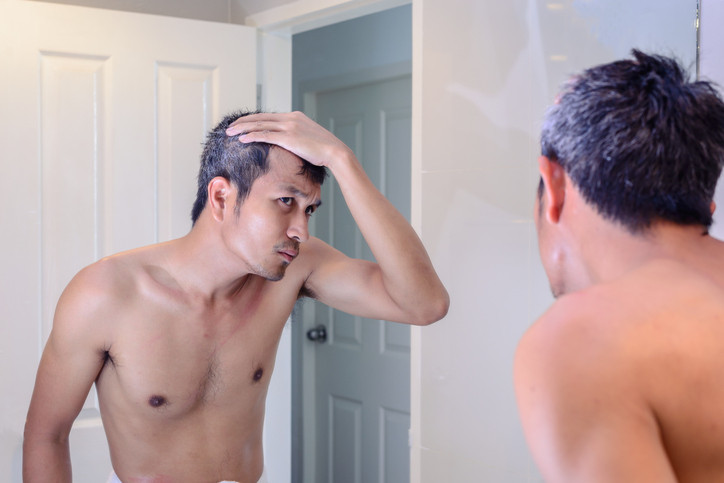
Can stress really make hair (or fur?) turn gray?
Does stress really turn hair gray? Scientists conducted experiments that simulated stress and led to gray hair—in mice, which does not mean it’s true for humans, regardless of what you may have heard in the media.

Meditation may help you catch mental mistakes
In the journals
If you want to make fewer mental mistakes, try meditation, suggests a study in the September 2019 issue of Brain Sciences.
Researchers recruited 200 people who had never meditated and led them through a guided 20-minute meditation called open monitoring. While many styles of meditation have you focus on a single object, like your breathing or a visual image, the goal of open monitoring meditation is to pay more attention to your feelings and body sensations.
Healing after food poisoning
What is tempeh? Benefits, nutrition, and how to use it
Light exposure at night may raise risk for heart disease
Whole grains may improve several heart risk factors at once
A lumbar belt may help ease low back pain
Children of centenarians may stay healthier and live longer too, study finds
Signs of pneumonia: Sometimes vague and unexpected
The surprising link between ovarian cancer and the fallopian tubes
Using a vibration plate: What it can — and can't — do for your body
People who walk more or walk faster live longer, study finds
Free Healthbeat Signup
Get the latest in health news delivered to your inbox!
Sign Up
