

Healing after food poisoning

What is tempeh? Benefits, nutrition, and how to use it

Light exposure at night may raise risk for heart disease

Whole grains may improve several heart risk factors at once

A lumbar belt may help ease low back pain

Children of centenarians may stay healthier and live longer too, study finds

Signs of pneumonia: Sometimes vague and unexpected

The surprising link between ovarian cancer and the fallopian tubes

Using a vibration plate: What it can — and can't — do for your body

People who walk more or walk faster live longer, study finds
Stress Archive
Articles

How to respond to tantrums
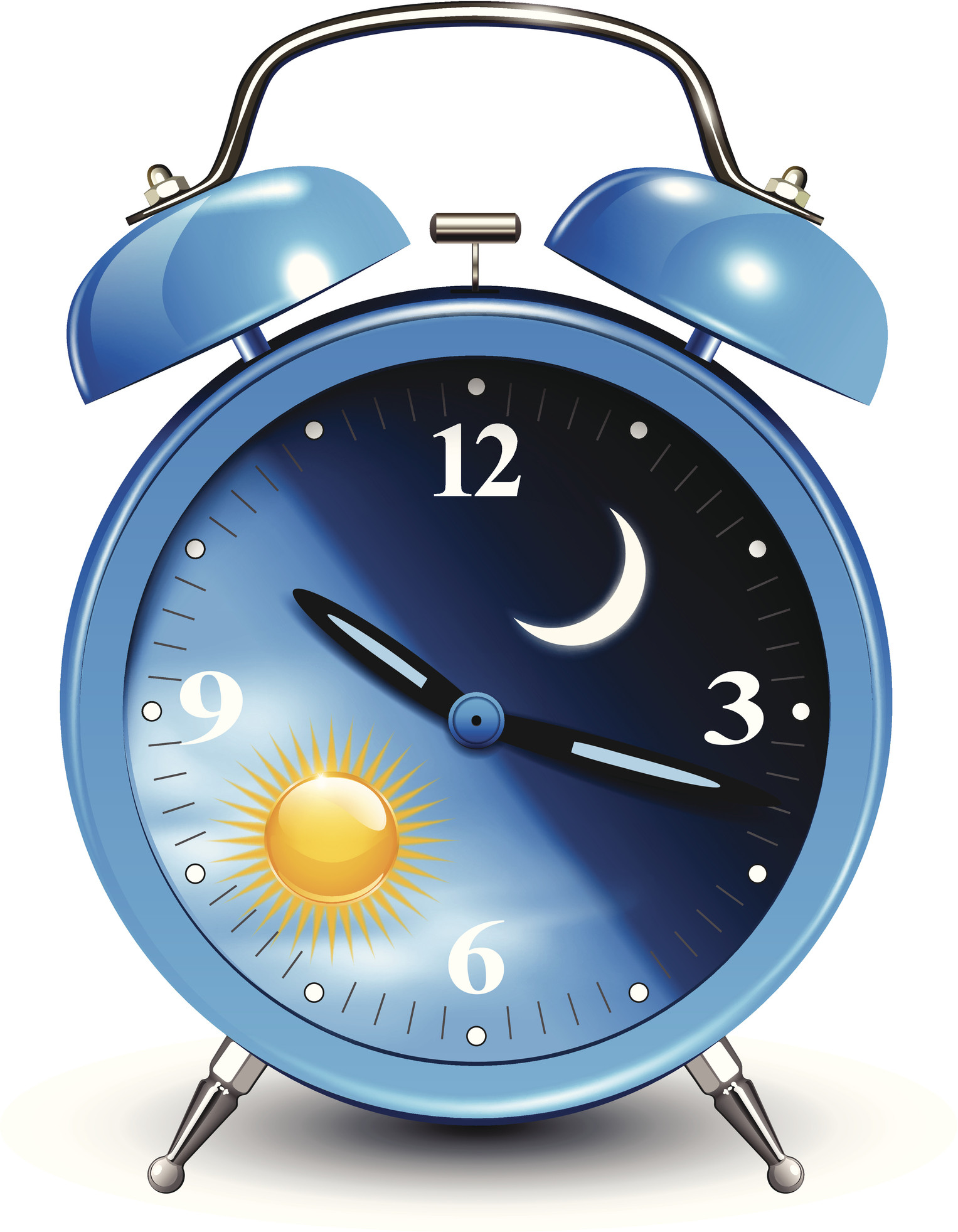
Why your sleep and wake cycles affect your mood
The body’s circadian rhythm controls our sleep-wake cycle, so an irregular rhythm can negatively affect sleep and proper functioning, which can lead to health problems including mood disorders. The tendency to rise early or stay up late is genetically determined, but you may be able to adjust your life to better match your circadian rhythm.

5 ways to prevent a heart attack
These are the most effective ways to protect yourself.
Here are some alarming statistics about heart attacks:
- Every 40 seconds, someone in the United States has a heart attack.
- Every year, about 805,000 Americans have heart attacks, 75% of which are first-time attacks.
- The average age of a first heart attack among men: 65.
However, the most troubling fact about heart attacks is that many people don't take steps to protect themselves, says Dr. Deepak L. Bhatt, executive director of interventional cardiovascular programs at Harvard-affiliated Brigham and Women's Hospital Heart & Vascular Center. "Reducing your risk of cardiovascular disease is the best way to guard against heart attacks," he says. "There are simple ways to do this, but unfortunately, many people still don't follow them as they should."
Here's a look at five ways you can protect yourself from cardiovascular disease, and thus possible heart attacks, and avoid being another statistic.

The dating game
How older men can approach the dating life again — and why they should.
One downside to aging is the higher likelihood that at some point you will not have a partner. No matter what the reason for your singlehood, a healthy remedy is to begin dating again.
"Pursuing a more robust social and romantic life is good medicine for your mental and physical health," says Dr. Sharon Bober, founding director of the Sexual Health Program at Harvard-affiliated Dana-Farber Cancer Institute.

Testing for dementia
If you or someone else suspects early signs of memory loss, here's how you can find out if there's a problem.
There's no cure for dementia, and you cannot substantially reverse its effects, but there are ways to possibly slow its progression. But first, you need to know if you — or a loved one — may have a memory disorder. "Unfortunately, there is not one single test that confirms dementia while you are alive," says Dr. Julie Brody Magid, clinical director of the Harvard-affiliated McLean Hospital Memory Disorders Assessment Clinic. "The testing process is multilayered and takes many things into consideration. Going through this evaluation may help identify memory problems before they get worse."
Know the symptoms
Symptoms of dementia include memory loss, problem-solving difficulties, and language issues. Behavior and emotions also can be affected. Symptoms are often subtle early on, and then get progressively worse. They can increasingly interfere with daily life tasks, like remembering to attend appointments, take medication, or pay bills. People also may have trouble preparing meals or driving safely.

7 tips for going outside safely with your children during the COVID-19 pandemic
During the COVID-19 pandemic, getting yourself and your children outside helps with both physical and mental health. Be smart and do it safely by following these tips.


Strategies to support teens and young adults with autism spectrum disorder during COVID-19
The conditions imposed by the COVID-19 pandemic are challenging for all of us, but are especially difficult for teenagers with autism spectrum disorder and their families. Strategies to support teens and families living with ASD can help lessen the impact of the virus.
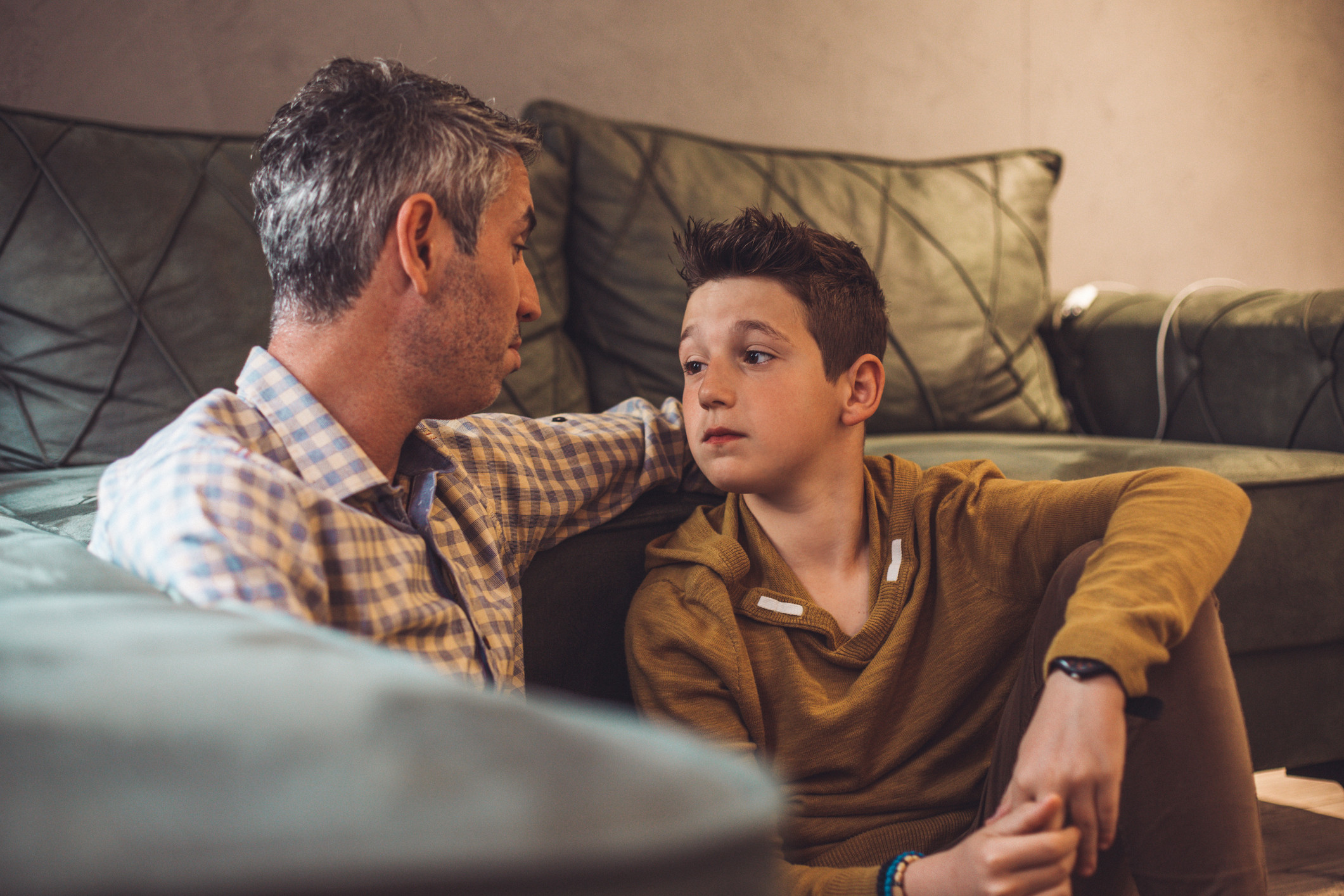
How can you support your teenager with autism spectrum disorder if they are depressed?
A recent study found that teens with autism spectrum disorder are three times more likely to develop depression, but several aspects of ASD overlap with those of depression, so identifying symptoms of depression in a person with ASD can be challenging.

A tale of two epidemics: When COVID-19 and opioid addiction collide
In our inner cities, the COVID-19 pandemic comes on top of another crisis that has plagued our country for years: the opioid epidemic. The combined effects of these two events are immense, and highlight already-existing problems with our society and our health care system.
Healing after food poisoning
What is tempeh? Benefits, nutrition, and how to use it
Light exposure at night may raise risk for heart disease
Whole grains may improve several heart risk factors at once
A lumbar belt may help ease low back pain
Children of centenarians may stay healthier and live longer too, study finds
Signs of pneumonia: Sometimes vague and unexpected
The surprising link between ovarian cancer and the fallopian tubes
Using a vibration plate: What it can — and can't — do for your body
People who walk more or walk faster live longer, study finds
Free Healthbeat Signup
Get the latest in health news delivered to your inbox!
Sign Up
