

Healing after food poisoning

What is tempeh? Benefits, nutrition, and how to use it

Light exposure at night may raise risk for heart disease

Whole grains may improve several heart risk factors at once

A lumbar belt may help ease low back pain

Children of centenarians may stay healthier and live longer too, study finds

Signs of pneumonia: Sometimes vague and unexpected

The surprising link between ovarian cancer and the fallopian tubes

Using a vibration plate: What it can — and can't — do for your body

People who walk more or walk faster live longer, study finds
Stress Archive
Articles

Light therapy: Not just for seasonal depression?
Light therapy can help improve seasonal affective disorder (SAD). But many people don't realize that it can also be effective for major depression, and depression that occurs during or after pregnancy (known as perinatal depression).

Psychosis: Will catching early warning signs help?
Could identifying early warning signs of psychosis and providing appropriate support change the course of the illness? Early-intervention programs aim to do this with at-risk teens and young adults, and those experiencing a first episode of psychosis.

Breakthrough in brain stimulation offers cautious hope for depression
Transcranial magnetic stimulation helps some people with treatment-resistant depression, but the process takes multiple weeks and gets results in only about a third of those who try it. A new approach to delivering this therapy showed promise in a small study.

How can you find joy (or at least peace) during difficult times?
When people are going through difficult times, it's normal to feel a lack of joy. But even while struggling, the ability to find moments of joy can have profound and far-reaching effects on the mind and body.

What's the relationship between memory loss and driving?
Alzheimer's disease and other forms of dementia affect all the regions of the brain involved in driving, but whether or not a person should give up driving depends on the severity of the disease and the specific cognitive abilities that are impaired.
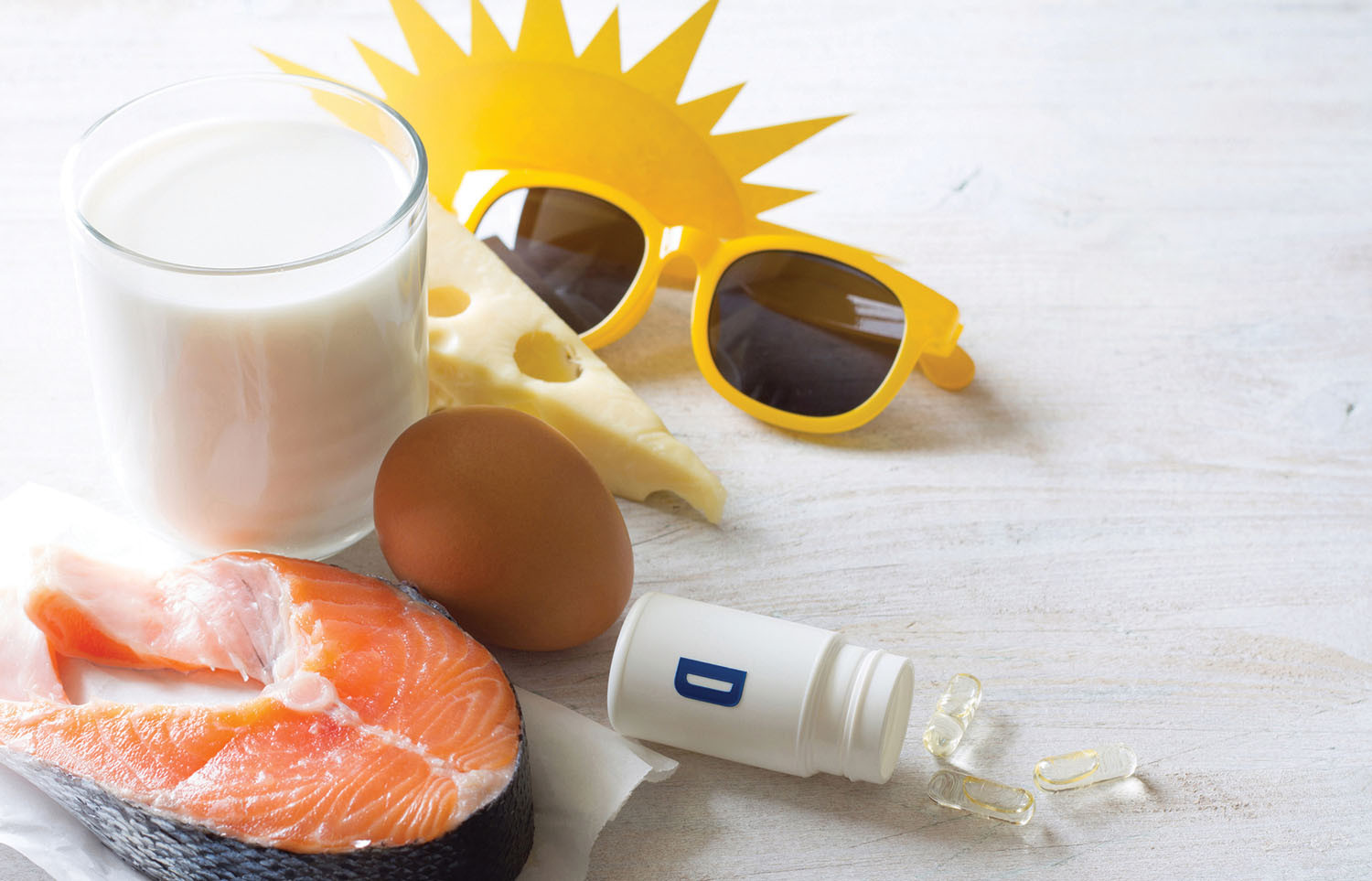
Low vitamin D levels may increase odds of dementia
A 2022 study found that low blood levels of vitamin D (under 25 nanomoles per liter) were linked with higher risks of dementia. People can boost vitamin D levels from diet, supplements, or sun exposure.

Meeting your exercise goals online
The COVID-19 pandemic shut down many gyms, spawning new online fitness class options that included Spin, Pilates, dance, and yoga. Maintaining an exercise routine during the pandemic offered multiple physical and mental health benefits by boosting mood-related brain chemicals and enhancing sleep. People exercising virtually could stay fit and maintain contact with others without risk of COVID infection. Even beyond pandemic-related concerns, virtual workouts can offer convenience, variety, privacy, and a sense of shared experience.

Natural ways to boost energy
As men age, many factors affect their energy levels, such as declining muscle mass, unhealthy diet, poor sleep, and increased stress. Addressing these areas are some of the best ways to increase energy levels. Exercise, healthy eating, good sleep, and stress reduction can increase mood-boosting hormones, help the body produce more adenosine triphosphate (the energy-carrying molecules found in cells), and balance blood sugar levels to prevent sudden fatigue, among other benefits.

Screening for cognitive dysfunction
Occasional forgetfulness and memory lapses are often dismissed as a sign of normal aging. But if these episodes become more frequent or problematic, or if they affect daily life, older adults should consult their primary care physician, A doctor can offer an evaluation for mild cognitive impairment. This includes a brief in-office screening test of thinking skills like short-term recall, concentration, attention, ability to juggle multiple tasks, and orientation to time and place.

Atrial fibrillation after surgery: Common and undertreated?
After surgery unrelated to the heart, a diagnosis of atrial fibrillation (afib) may be more common than previously thought. These cases, which may constitute 13% of new afib diagnoses, appear to be undertreated.
Healing after food poisoning
What is tempeh? Benefits, nutrition, and how to use it
Light exposure at night may raise risk for heart disease
Whole grains may improve several heart risk factors at once
A lumbar belt may help ease low back pain
Children of centenarians may stay healthier and live longer too, study finds
Signs of pneumonia: Sometimes vague and unexpected
The surprising link between ovarian cancer and the fallopian tubes
Using a vibration plate: What it can — and can't — do for your body
People who walk more or walk faster live longer, study finds
Free Healthbeat Signup
Get the latest in health news delivered to your inbox!
Sign Up
