

Healing after food poisoning

What is tempeh? Benefits, nutrition, and how to use it

Light exposure at night may raise risk for heart disease

Whole grains may improve several heart risk factors at once

A lumbar belt may help ease low back pain

Children of centenarians may stay healthier and live longer too, study finds

Signs of pneumonia: Sometimes vague and unexpected

The surprising link between ovarian cancer and the fallopian tubes

Using a vibration plate: What it can — and can't — do for your body

People who walk more or walk faster live longer, study finds
Stress Archive
Articles

A life-changing detour
Each year, millions of couples face one partner's serious diagnosis with a condition such as cancer, heart or kidney failure, or neurological illness, among others. People can support their partners through a difficult diagnosis and treatment by keeping communication open, maintaining daily routines, becoming informed about the medical condition, attending doctor visits, adding assistive devices in their home, getting wills and other legal documents in order, and seeking and accepting help from others.

Building a "cognitive reserve" offers brain protection in old age
A 2022 study suggests that following certain healthy habits throughout life can create a "cognitive reserve" that may protect the brain from dementia. People in their 60s and 70s can still build up their reserve by pursuing a combination of brain-stimulating activities.
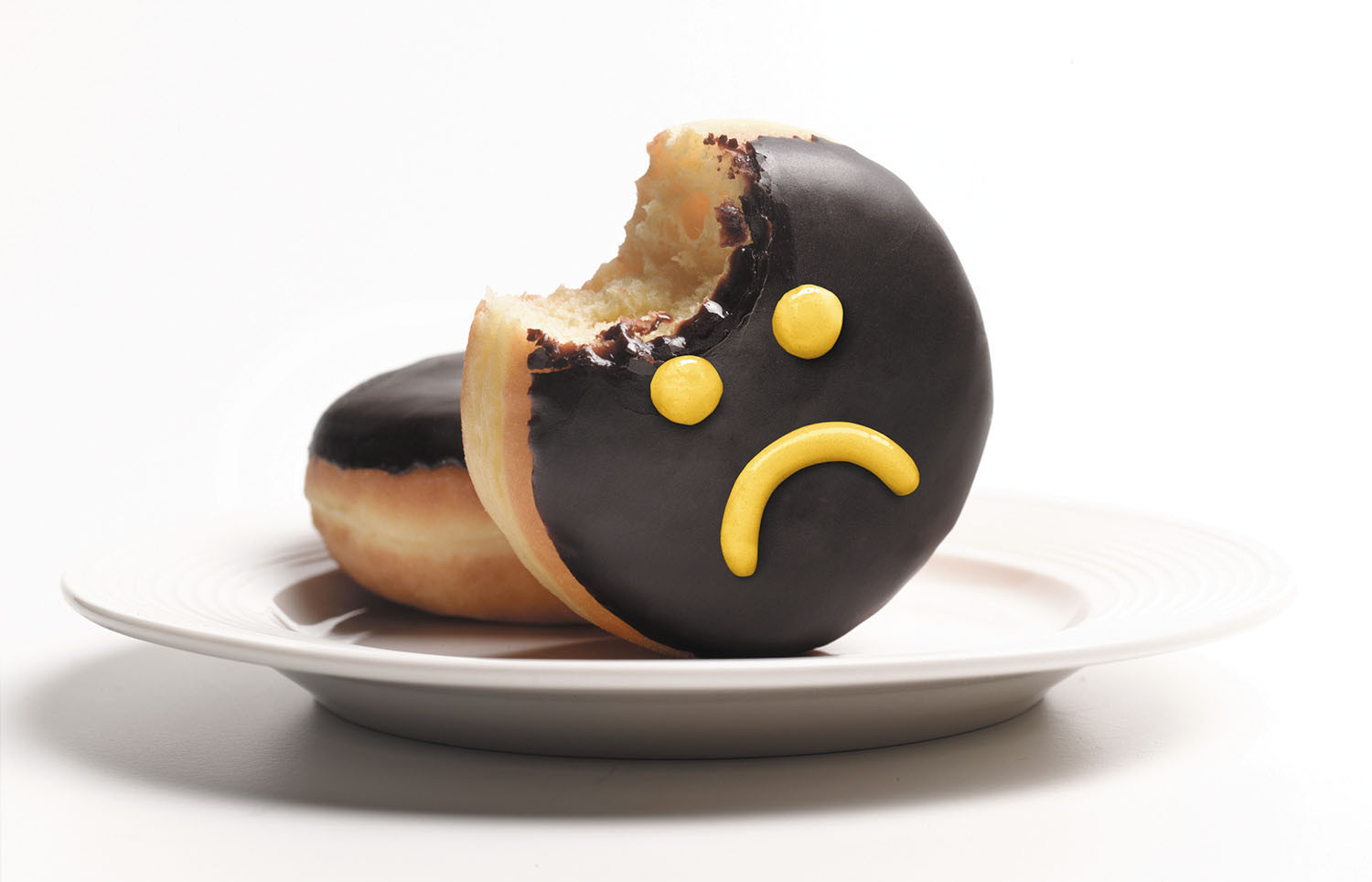
Cutting back on ultra-processed foods linked with lower dementia risk
People who ate large amounts of ultra-processed foods had a greater risk of later developing dementia compared with people who ate little of these foods, according to a 2022 study. Researchers estimated that switching out even 10% of ultra-processed foods for healthier options might lower one's risk.

Taking it slow
While an active life is a healthier one, there are times when people can benefit from embracing a slower pace, an approach commonly known as "slow living." Slow living isn't about doing less, but doing more with greater focus and purpose and at the right speed. The approach can help people lower stress, increase concentration and memory, and become more engaged in activities they enjoy.

Drug-free solutions for pain
Relying on pain pills for persistent aches, pains, and soreness can come with side effects and increase the risk of drug dependency. A solution is to try any of several available drug-free therapies to help manage and even treat common types of pain, such as physical and massage therapy, yoga, acupuncture, and therapies that help change your perception and reaction to pain.

Can these approaches really improve memory?
Scientists are studying two novel approaches to improve memory. One approach centers on molecules in the blood and spinal fluid that appear to help improve memory. So far, experiments have been limited to lab animals. Another approach involves exposing the brain to electrical currents. A study in humans, published online Aug. 22, 2022, by the journal Nature Neuroscience, found that electrical stimulation directed at specific areas of the brain improved both working memory and long-term memory for at least a month.

Winterize your heart health
To protect the heart during the winter, it's important to take certain precautions. Steps include staying up to date on flu and COVID-19 vaccinations, avoiding cold remedies that can raise heart rate and blood pressure, figuring out where and how to exercise indoors if it's too cold to exercise outside, developing a regular practice of stress management (such as practicing yoga and getting enough sleep), and avoiding overindulgence when it comes to drinking alcohol or eating holiday foods.

6 myths about dementia
There are many misconceptions about dementia. One is that it's a disease. In fact, dementia is a general term describing thinking and memory skills that have deteriorated to the point of experiencing problems with daily activities. Another myth is that dementia is part of normal aging. It isn't; dementia is simply more common as people get older — just like heart disease, stroke, and cancer. Other common myths about dementia include the notions that it always appears as memory loss, it's always genetic, it causes the loss of all memories, and it's never reversible.

The Essential 8: Enhanced advice for a healthy heart
The American Heart Association revamped its online tool, My Life Check, designed to help people prevent cardiovascular disease. Along with other changes, the AHA added healthy sleep duration to the list of seven other factors assessed by the tool. Those factors are maintaining a healthy weight, not smoking, being physically active, eating a healthy diet, and keeping blood pressure, blood sugar, and cholesterol at acceptable levels. Each factor (now known as Life's Essential 8) are scored on a scale of 1 to 100 and used to generate a composite cardiovascular health score.

Aiming for longevity
Genetics, lifestyle, and environmental factors contribute to reaching age 100. More than 100,000 people were 100 or older in 2019, triple the number in 1980. People reaching extreme old age tend to be nonsmokers, are not obese, and cope with stress effectively. Studies show that diets incorporating more fruits, vegetables, and whole grains may lower the odds of frailty and increase life span. Siblings and children of long-living people also are likelier to live longer than peers. Optimism is associated with higher odds of living beyond 90.
Healing after food poisoning
What is tempeh? Benefits, nutrition, and how to use it
Light exposure at night may raise risk for heart disease
Whole grains may improve several heart risk factors at once
A lumbar belt may help ease low back pain
Children of centenarians may stay healthier and live longer too, study finds
Signs of pneumonia: Sometimes vague and unexpected
The surprising link between ovarian cancer and the fallopian tubes
Using a vibration plate: What it can — and can't — do for your body
People who walk more or walk faster live longer, study finds
Free Healthbeat Signup
Get the latest in health news delivered to your inbox!
Sign Up
