

Healing after food poisoning

What is tempeh? Benefits, nutrition, and how to use it

Light exposure at night may raise risk for heart disease

Whole grains may improve several heart risk factors at once

A lumbar belt may help ease low back pain

Children of centenarians may stay healthier and live longer too, study finds

Signs of pneumonia: Sometimes vague and unexpected

The surprising link between ovarian cancer and the fallopian tubes

Using a vibration plate: What it can — and can't — do for your body

People who walk more or walk faster live longer, study finds
Stress Archive
Articles
Hearts and minds
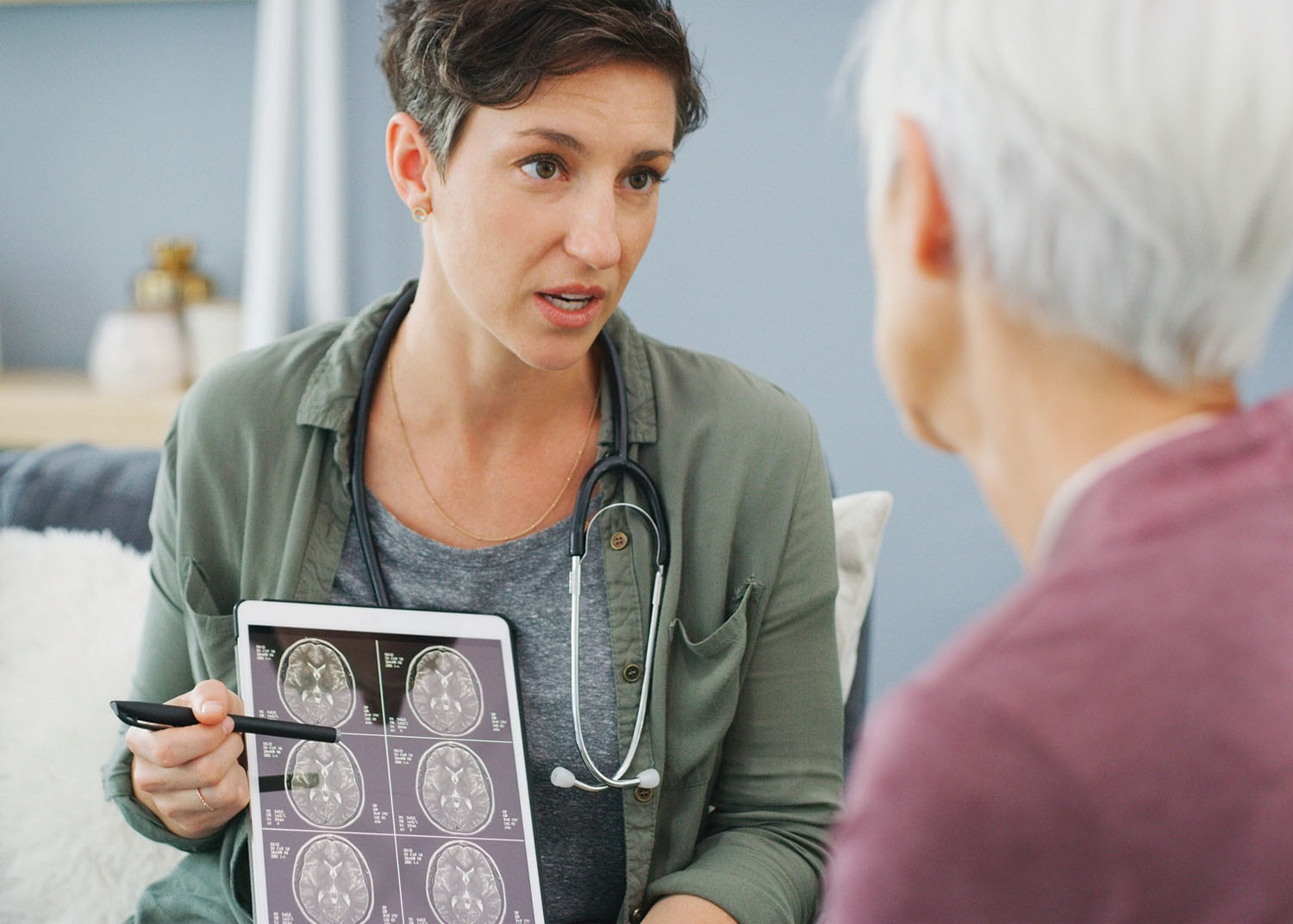
Vascular dementia, which arises from longstanding, cumulative damage to small blood vessels in the brain, may cause or contribute to up to half of cases of dementia. The vessels may thicken or become blocked by blood clots, causing tiny strokes that damage specific parts of the brain important for various thinking abilities. Keeping blood pressure in the recommended range of 120/80 or lower is the best way to prevent vascular dementia.

Why is it so challenging to find a primary care physician?
An adequate supply of primary care physicians is essential for our health care system to function properly, but it's becoming more and more difficult to find one. Rates of burnout are high among PCPs, and many are considering cutting back their work hours or leaving altogether.

The popularity of microdosing of psychedelics: What does the science say?
Renewed research into the potential benefits of psychedelic drugs has led to interest in microdosing — taking a fraction of a regular dose. Many people believe that microdosing can help them, but the evidence from some recent studies is mixed.

Severe COVID infection may lead to noticeable cognitive loss
A 2022 study found that survivors of severe COVID-19 infections can develop cognitive problems, such as brain fog or trouble finding words, equivalent to the loss of 10 IQ points or 20 years of aging.

High-inflammatory diets linked with increased dementia risk
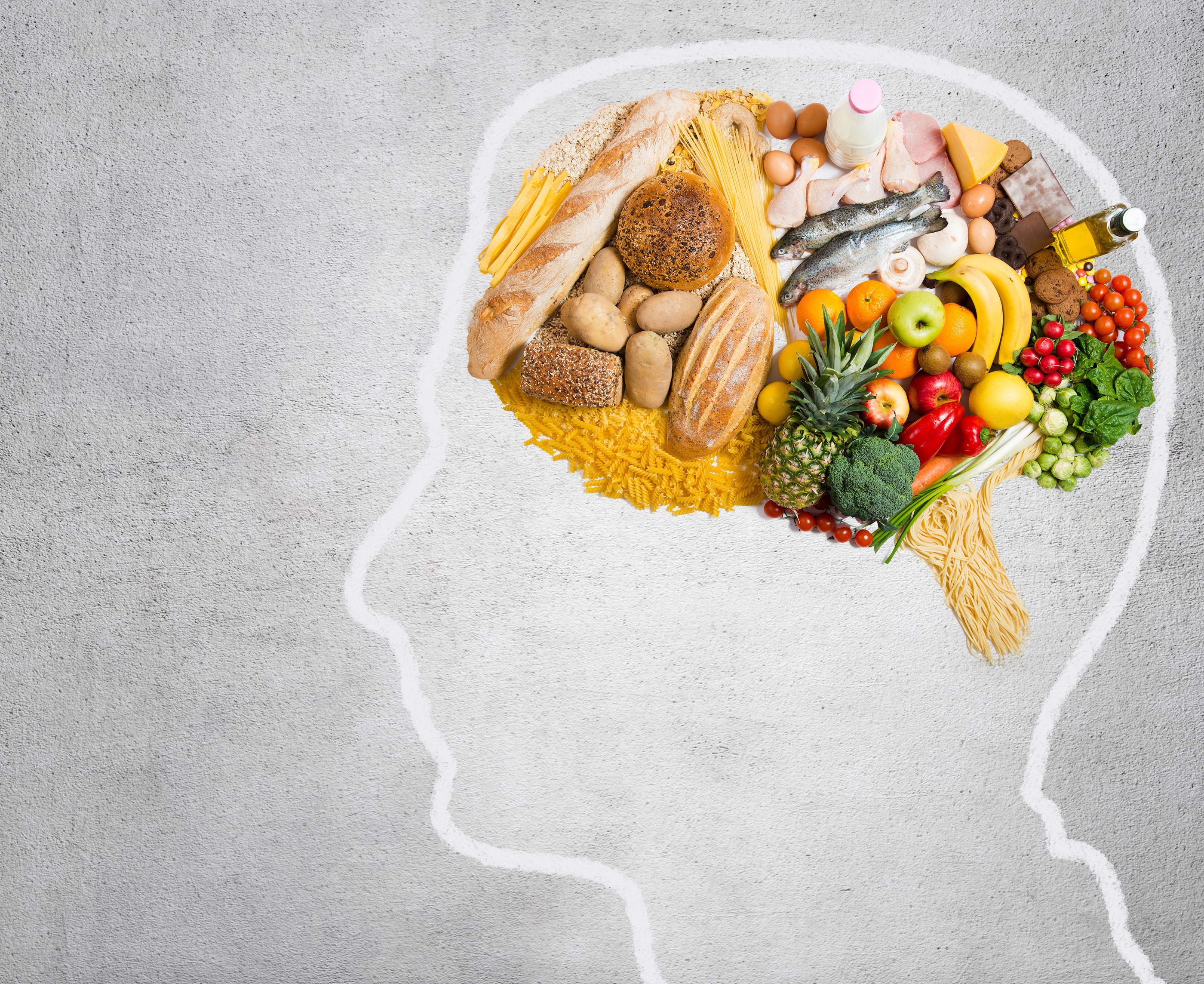
Healthy older adults may have a higher risk for dementia if they follow high-inflammatory diets that include greater amounts of simple sugars, cholesterol, saturated fat, and fried foods.
Punch up your fitness
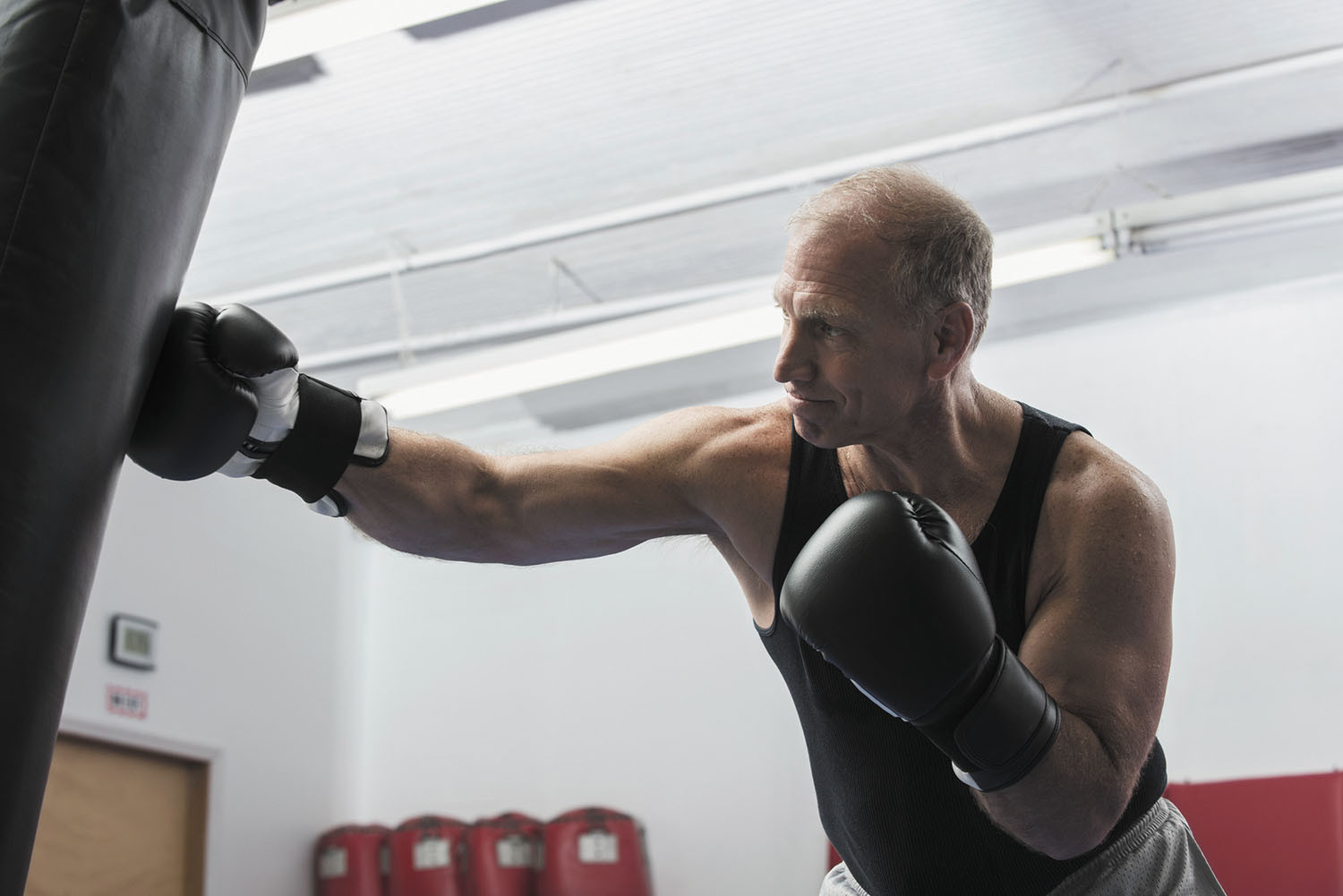
Non-contact boxing has been shown to help many people with Parkinson's disease improve their balance, hand-eye coordination, mental focus, muscle strength, and body rhythm. Older adults also can benefit from this type of exercise, as they face many of the same physical and mental challenges as they age. Most boxing fitness workouts are done using punching bags and hitting oversized boxing mitts worn by coaches. The moves involve punches and sequences based on crosses, hooks, uppercuts, and jabs.

The mental powers of super-agers
Older adults known as super-agers have cognitive function similar to that of young people. Experts believe this is because their brains shrink at a much slower rate, which may be the result of genetics or lifestyle habits or both. While people can't alter their genes, it could be possible to slow their natural brain decline by adopting some super-ager habits, like being physically active, pursuing mentally challenging hobbies, eating a diet rich in inflammation-fighting foods, and engaging with social groups.

Getting stuck in long-term grief
In March 2022, the American Psychiatric Association added "prolonged grief disorder" to its official list of diagnoses. The diagnosis applies to bereaved adults who continue to experience intense grief more than a year after the death of a loved one. Someone with prolonged grief has a daily yearning for the loved one or is preoccupied with thoughts of the loved one to the point that it interferes with daily life. The diagnosis also requires additional symptoms, such as difficulty re-engaging in life or emotional numbness. The condition can be treated, and healing is possible.

Poor handgrip strength in midlife linked to cognitive decline
A large study published online June 23, 2022, by JAMA Network Open found that poor handgrip strength in midlife was associated with cognitive decline a decade later.
Healing after food poisoning
What is tempeh? Benefits, nutrition, and how to use it
Light exposure at night may raise risk for heart disease
Whole grains may improve several heart risk factors at once
A lumbar belt may help ease low back pain
Children of centenarians may stay healthier and live longer too, study finds
Signs of pneumonia: Sometimes vague and unexpected
The surprising link between ovarian cancer and the fallopian tubes
Using a vibration plate: What it can — and can't — do for your body
People who walk more or walk faster live longer, study finds
Free Healthbeat Signup
Get the latest in health news delivered to your inbox!
Sign Up
