

Whole grains may improve several heart risk factors at once

Light exposure at night may raise risk for heart disease

Children of centenarians may stay healthier and live longer too, study finds

A lumbar belt may help ease low back pain

Signs of pneumonia: Sometimes vague and unexpected

Using a vibration plate: What it can — and can't — do for your body

The surprising link between ovarian cancer and the fallopian tubes

People who walk more or walk faster live longer, study finds

Rosacea treatments: What works?

For sleep apnea, a dental device may be as effective as CPAP
Sleep Archive
Articles

Personalized medicine sounds futuristic, but it's really about your relationship with your doctor
By Anne Fabiny, M.D., Editor in Chief
President Barack Obama recently announced the Precision Medicine Initiative, a new program to speed up discoveries based on information and technology stemming from the Human Genome Project. "Precision medicine" and "personalized medicine" are terms that describe health care tailored to an individual patient's genetic makeup, using information about a patient's genome to diagnose illness and design therapies to treat and cure disease. This approach has been described as "the medicine of the future."
However, it may be reassuring to know that although your doctor doesn't have your genome at hand, he or she is likely to be giving you personalized care as we understand it today.
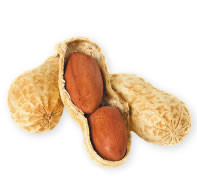
Eating peanuts may extend your life
Health studies rarely involve people on opposite sides of the globe who have very different lifestyles. However, researchers at Vanderbilt Medical School took that approach when they pooled data from dietary studies of 72,000 men and women in the southeastern United States and 135,000 people in Shanghai, China. It turns out that the Americans and Chinese have something in common—they both eat a lot of peanuts—and they may be living longer as a result.
All of the participants filled out detailed questionnaires on the foods they ate regularly. The research team noted that peanuts accounted for 50% of nuts eaten by Americans and almost all the nuts consumed by the Chinese.

The dollars and sense of long-term care
Even if you feel you've saved enough money for the future, it's important to start planning for long-term care now, when you can make sound decisions. Images: Thinkstock |
Why you should plan now for care you may need later.

Ask the doctor: Why am I getting shorter?
After age 40, people lose about half an inch in height with each decade, mainly in the spine. Image: Thinkstock |
Q. Why do people over 60 lose height? I've lost a few inches over the years. Can this be prevented?

Don't just sit there
Stop sitting during TV commercial breaks. Jump up off the couch, and use the time to exercise. Image: Thinkstock |
Easy ways to increase activity and cut down on sedentary time.

New concerns about diet sodas
They're linked to calorie absorption, high blood pressure, and heart trouble.
For weight-conscious people who love the bite of carbonation and the taste of various soft drinks, the advent of sugar-free sodas 60 years ago seemed a blessing: if there were no calories, you didn't have to worry about weight gain—and the diseases that go along with obesity, like diabetes and heart disease. "But there are growing doubts about whether diet sodas really help people lose weight and avoid diabetes," says Dr. Anthony Komaroff, editor in chief of the Health Letter.

The downside of too much sitting
During the day, make an effort to stand rather than sit, when possible. |
Standing up more throughout the day may help you dodge heart disease and live longer.

Weight-loss drugs and your heart
Weight-loss drugs aren't for people hoping to lose just a few pounds. Image: Thinkstock |
Some first-generation diet pills proved risky to the heart. New drugs may have expanded the options for treating obesity.
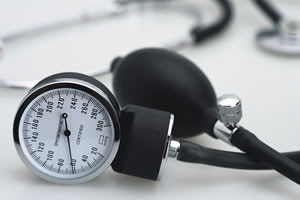
Trouble falling asleep linked to high blood pressure
High blood pressure is one of the many health risks associated with not getting enough sleep, which is often caused by insomnia, or difficulty falling or staying asleep. Although often considered a nighttime problem, some people with insomnia may be in a state of "hyperarousal" that also makes it hard for them to nod off during the day. Now, new research suggests that people with chronic insomnia who also have trouble napping face a higher risk of high blood pressure.
The study, in the March 2015 issue of Hypertension, included more than 200 people with chronic insomnia (defined as insomnia that lasts more than six months) and almost 100 normal sleepers. All underwent daytime nap tests, which measures how quickly a person falls asleep in a quiet environment during the day. People with chronic insomnia who took longer than 14 minutes to fall asleep during the nap studies had three times the risk of high blood pressure compared with normal sleepers, the researchers found. Treatments such as medications and biofeedback to help dampen hyperarousal may be best for people with this type of insomnia, they suggest, although more research is needed.

Ask the doctor: Health benefits of probiotics
Q. Would you suggest I try taking a probiotic supplement for general colon health? I have a sensitive stomach and sometimes suffer from constipation.
A. Probiotics, the beneficial bacteria that live in our intestines and assist in digestion, have gained a lot of support lately. Each week, a new study appears describing health benefits or diseases associated with changes in the so-called microbiome—the diverse community of microorganisms each of us carries inside our body. Still, the benefits of adding probiotics to the intestinal tract are uncertain.
Probiotics have proved helpful in situations where the body's normal, healthy bacteria have been destroyed, such as after taking a powerful antibiotic. Small studies in people with irritable bowel syndrome have suggested that taking probiotics improves pain and diarrhea. The benefit in constipation is less certain, but it's reasonable for you to try taking a probiotic if you are interested.
Whole grains may improve several heart risk factors at once
Light exposure at night may raise risk for heart disease
Children of centenarians may stay healthier and live longer too, study finds
A lumbar belt may help ease low back pain
Signs of pneumonia: Sometimes vague and unexpected
Using a vibration plate: What it can — and can't — do for your body
The surprising link between ovarian cancer and the fallopian tubes
People who walk more or walk faster live longer, study finds
Rosacea treatments: What works?
For sleep apnea, a dental device may be as effective as CPAP
Free Healthbeat Signup
Get the latest in health news delivered to your inbox!
Sign Up
