

Naturally gluten-free foods

Harvard study: Healthier fats linked to longer life after prostate cancer diagnosis

Shingrix shingles vaccine linked with lower heart disease risks

Estrogen-only hormone therapy tied to lower dementia risk
Should you have a hysterectomy?

Stair climbing may significantly lower cardiovascular risks

Why do I sweat so much?

Walking pneumonia: The "mild" illness that can still pack a punch

What causes knee pain: How doctors make a diagnosis

Where you carry excess weight matters in predicting heart disease risk
Sexually transmitted infections (STIs) Archive
Articles
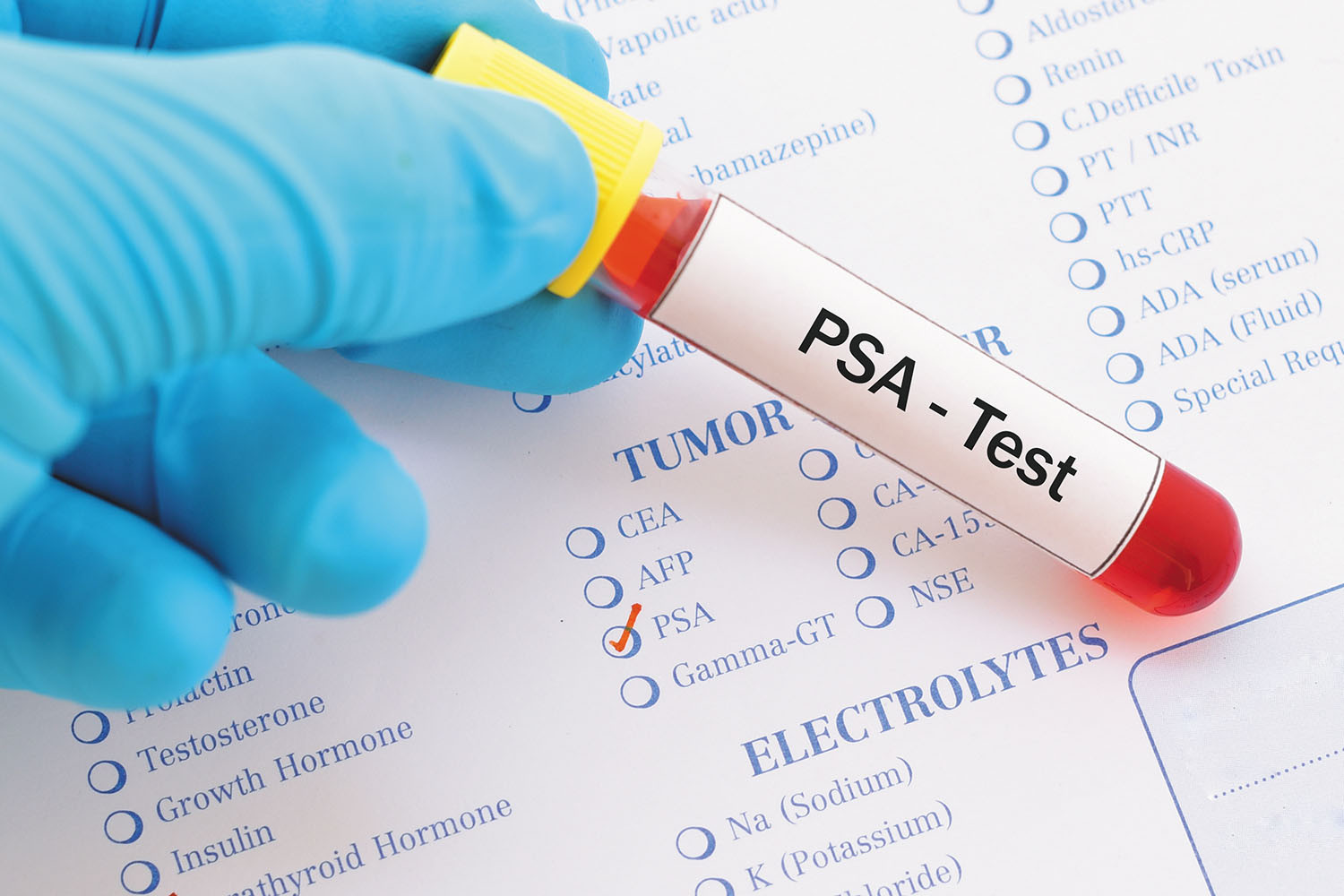
Should I continue to get regular PSA testing after age 70?
Whether or not to continue PSA testing after age 70 depends on many factors, but especially a man's family history of prostate cancer and how comfortable he is about getting a biopsy or treatment if the test results suggest possible cancer.

Treatment for an enlarged prostate
Benign prostatic hyperplasia, also known as an enlarged prostate, occurs in about 50% of men by age 60. It can lead to urination problems like a hesitant, interrupted, or weak urine stream; dribbling after urinating; a feeling that the bladder does not completely empty; and more frequent urination, especially at night. Medication and lifestyle changes are the first-line treatments, but if these don't work, men can choose from several types of surgery or less-invasive procedures to help manage symptoms.

"Forever" chemicals linked to high blood pressure in women
High blood levels of synthetic chemicals known as PFAS (some of which are found in much of the nation's drinking water) have been linked to a greater risk of high blood pressure in middle-aged women.

Medications to lower triglycerides
People with high triglyceride levels may be candidates for icosapent ethyl (Vascepa), a drug made from highly purified fish oil. It lowers triglycerides and, when taken with a statin, lowers the risk of heart attack, stroke, and death from cardiac causes.

Beyond hot flashes
Around menopause, a decline in estrogen can trigger low-grade inflammation that leads to unexpected symptoms from head to toe. Symptoms can affect the digestive tract, skin, joints, eyes, ears, and heart, among other areas. A 2022 study found that estrogen loss can even fuel the jaw pain known as temporomandibular disorder. A year or longer can pass before many women connect symptoms with menopause. Women can take lifestyle measures to lower inflammation, such as eating more fruits and vegetables, avoiding processed foods, and exercising.

What does the flu have to do with the heart?
For some people, the effects of the influenza (flu) virus can lead to a heart attack or cardiac arrest (sudden death). These people typically have reduced blood flow to the heart due to atherosclerosis (narrowed arteries). Because the flu can cause blood oxygen levels to drop to dangerously low levels, it can further reduce the supply of oxygen to the heart, causing a heart attack or cardiac arrest. Fortunately, getting an annual flu shot is associated with reduced risks of a heart attack and related cardiac events.

Polio: What parents need to know now
Recent news reports about cases of polio have some parents concerned about the illness. The vaccine is safe and remarkably effective, and widespread vaccination builds herd immunity.

Which drug for erectile dysfunction?
For men with erectile problems, taking one of the four medications available can produce an erection 70% of the time.


Have lupus? What to know about birth control
An estimated 7% of Americans have an autoimmune disorder, and these tend to disproportionately affect women. Expert guidelines can help with questions about the best birth control options for people with lupus and other autoimmune diseases.
Naturally gluten-free foods
Harvard study: Healthier fats linked to longer life after prostate cancer diagnosis
Shingrix shingles vaccine linked with lower heart disease risks
Estrogen-only hormone therapy tied to lower dementia risk
Should you have a hysterectomy?
Stair climbing may significantly lower cardiovascular risks
Why do I sweat so much?
Walking pneumonia: The "mild" illness that can still pack a punch
What causes knee pain: How doctors make a diagnosis
Where you carry excess weight matters in predicting heart disease risk
Free Healthbeat Signup
Get the latest in health news delivered to your inbox!
Sign Up
