

Naturally gluten-free foods

Harvard study: Healthier fats linked to longer life after prostate cancer diagnosis

Shingrix shingles vaccine linked with lower heart disease risks

Estrogen-only hormone therapy tied to lower dementia risk

Should you have a hysterectomy?

Stair climbing may significantly lower cardiovascular risks

Why do I sweat so much?

Walking pneumonia: The "mild" illness that can still pack a punch

What causes knee pain: How doctors make a diagnosis

Where you carry excess weight matters in predicting heart disease risk
Sexually transmitted infections (STIs) Archive
Articles

Electroacupuncture may ease hot flashes, aid sleep in breast cancer survivors
Electroacupuncture may be an effective alternative to medication for relieving hot flashes causing sleep disturbances in postmenopausal women.

Large study indicates racket sports offer best protection against cardiac death
In a large United Kingdom study, regularly practicing racket sports, swimming, or aerobics significantly reduced the risk of dying over eight to 13 years.

Fitness trackers: A path to a healthier heart?
New, improved devices and apps may better guide you to exercise at the right intensity to help your heart.
Image: LDProd /Thinkstock
Perhaps the best-known problem with fitness trackers is that people often retire them to a junk drawer after a few months, once the novelty of using them wears off. But that's not the only shortcoming with these devices, which are typically worn around the wrist or clipped to clothing.
Sure, they'll count your steps, display your heart rate, and even estimate how many calories you've burned—although you'll probably need to sync your tracker with an app on your smartphone, tablet, or computer to see these data. However, very few of the popular free apps of this type are grounded in published evidence. And they don't necessarily follow well-established exercise guidelines. Even if you do meet recommended daily exercise goals—like 30 minutes of brisk walking or 10,000 steps—how do you know if you're really working your heart enough to keep it healthy? And what if you've been sedentary for years or have a chronic medical condition—can an app help you exercise safely?

The family history of cancer
If cancer runs in your family, there is much you can do to recognize your potential risk and catch the disease before it strikes.
Image: filipefrazao/Thinkstock
You may remember stories of your father's military service and your mother's hometown, but how much do you know about your family's medical history? In particular, do you know whether anyone on your mom or dad's side ever had cancer?
"Family history can be one of the first lines of defense in preventing cancer," says Dr. Huma Q. Rana, clinical director of the Center for Cancer Genetics and Prevention at Harvard-affiliated Dana-Farber Cancer Institute.
What are the best ways to treat plantar warts?
Salicylic acid, a prescription-strength medicine, and cryotherapy with liquid nitrogen are common treatments for plantar warts. However, if these do not work, consult with a dermatologist or podiatrist about other options like other injected and topical drugs or laser therapy.

Another way to think about dementia
Vascular dementia is a less prevalent type of memory loss that nonetheless affects many older men.
Image: Mike Watson Images/Thinkstock
While Alzheimer's disease continues to be the most recognized type of dementia, older men should also be mindful about the second most common: vascular dementia.
In vascular dementia, memory problems result from damage to large and small blood vessels in the brain. It develops when cholesterol-clogged blood vessels can't deliver enough oxygen to the brain. Small blockages deprive some brain cells of oxygen, which causes a series of small strokes that kill brain cells. This can lead to episodes of confusion, slurred speech, and problems thinking or remembering.
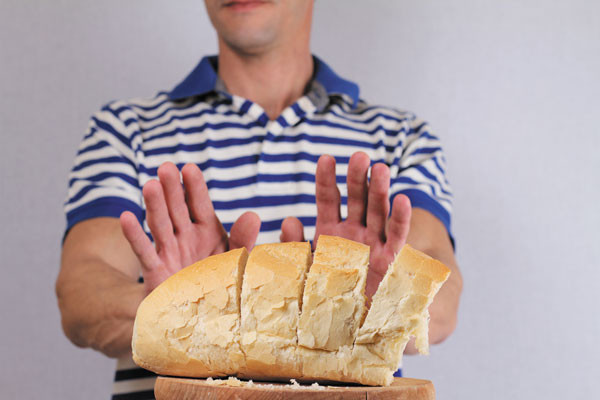
Don’t tolerate food intolerance
Here's what to do when certain foods disagree with you.
Image: ChesiireCat/Thinkstock
You probably remember an occasion when you ate something that did not agree with you. But if your stomach issues have become severe and frequent, you might have a food intolerance.
"Food intolerances puzzle many older men, since foods they long enjoyed suddenly give them problems," says Evagelia Georgakilas, a registered dietitian and nutritionist with Harvard-affiliated Beth Israel Deaconess Medical Center. "They might tough it out and suffer in silence, but by identifying the problem foods, making adjustments in portion sizes, and switching out certain foods as needed, they can avoid painful and recurring digestive issues."

Boning up on osteoporosis
The disease strikes more women, but men are also at risk.
Osteoporosis is often considered a woman's disease, but men also need to be concerned about this bone-weakening condition. About 2 million men have osteoporosis and another 12 million are at high risk, according to the National Osteoporosis Foundation.
In fact, older men have a greater risk for an osteoporosis-related fracture than for getting prostate cancer, and about one in four men older than 50 will break a bone because of osteoporosis during his lifetime.
New approach identifies returning prostate cancer
Researchers have mapped patterns of prostate cancer recurrence following surgery, which may help doctors find the best way to treat men whose cancer has returned. About 30% of men who have prostate cancer surgery will have a recurrence, according to the study in the Journal of Urology.
When is it okay to split medication in half?
Splitting a pill into two equal halves is sometimes necessary when needing to adjust dosage, or as a means to save money buy purchasing higher-dose pills. However, splitting is not safe for all pills, so a person should always consult a pharmacist or doctor.
Naturally gluten-free foods
Harvard study: Healthier fats linked to longer life after prostate cancer diagnosis
Shingrix shingles vaccine linked with lower heart disease risks
Estrogen-only hormone therapy tied to lower dementia risk
Should you have a hysterectomy?
Stair climbing may significantly lower cardiovascular risks
Why do I sweat so much?
Walking pneumonia: The "mild" illness that can still pack a punch
What causes knee pain: How doctors make a diagnosis
Where you carry excess weight matters in predicting heart disease risk
Free Healthbeat Signup
Get the latest in health news delivered to your inbox!
Sign Up
