
Sacroiliac joint pain: Causes, symptoms, and exercises that help

What causes knee pain: How doctors make a diagnosis
Study: At-home colorectal cancer screening may significantly cut colon cancer deaths

Where you carry excess weight matters in predicting heart disease risk

Tai chi walking: What is it and does it work?

Fatty liver disease: Should you be tested?

Weight-loss drug may lower risk of heart attacks and infections

Testosterone therapy without evidence of deficiency may boost heart risk

Even a little exercise linked with lower stroke risk in people with afib

FDA approves first mRNA-based flu vaccine
Screenings and procedures Archive
Articles

What is stomach flu and how does it spread?
Gastroenteritis isn’t true flu. But it is very contagious and can spread through germs on hands, food, and water.

How can I reduce the risk of another small bowel obstruction?
Learn what can cause partial or full small bowel obstruction and which dietary choices during recovery can help.

What's the best way to manage occasional heartburn?
Infrequent but stubborn heartburn can be tricky to calm. Fast‑acting antacids, H2 blockers, and stronger options may all fit into a relief plan.
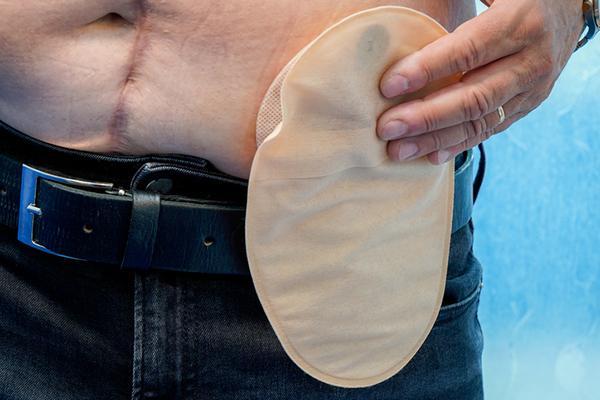
Can dietary changes ease gas and diarrhea after a new colostomy?
After a new colostomy, gas and watery output are common worries. Learn how doctors look for causes and which diet tweaks might ease symptoms.

Can home remedies help with hemorrhoids?
A soft bump that swells with straining could be a hemorrhoid. Learn what doctors consider and how stool‑softening fiber and fluids may ease symptoms.
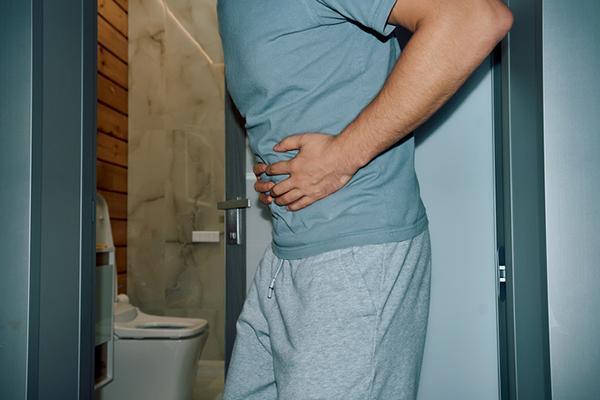
What might be causing loose stools?
Persistent loose stools that don't improve with more fiber may signal more than a simple diet issue. Explore what might be going on.
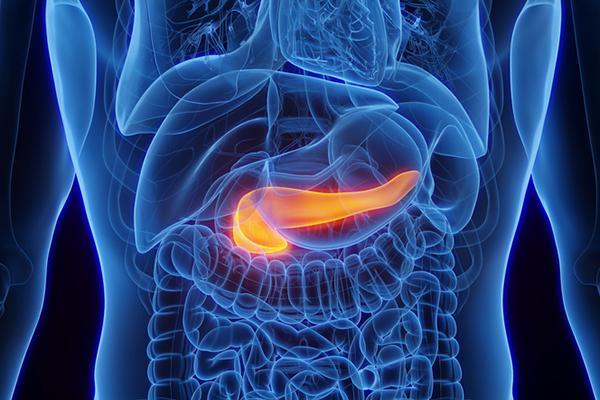
Do I need to be worried about elevated levels of pancreas enzymes?
High amylase or lipase on a blood test can hint at pancreatic trouble-or nothing serious at all. Learn how doctors interpret these results.
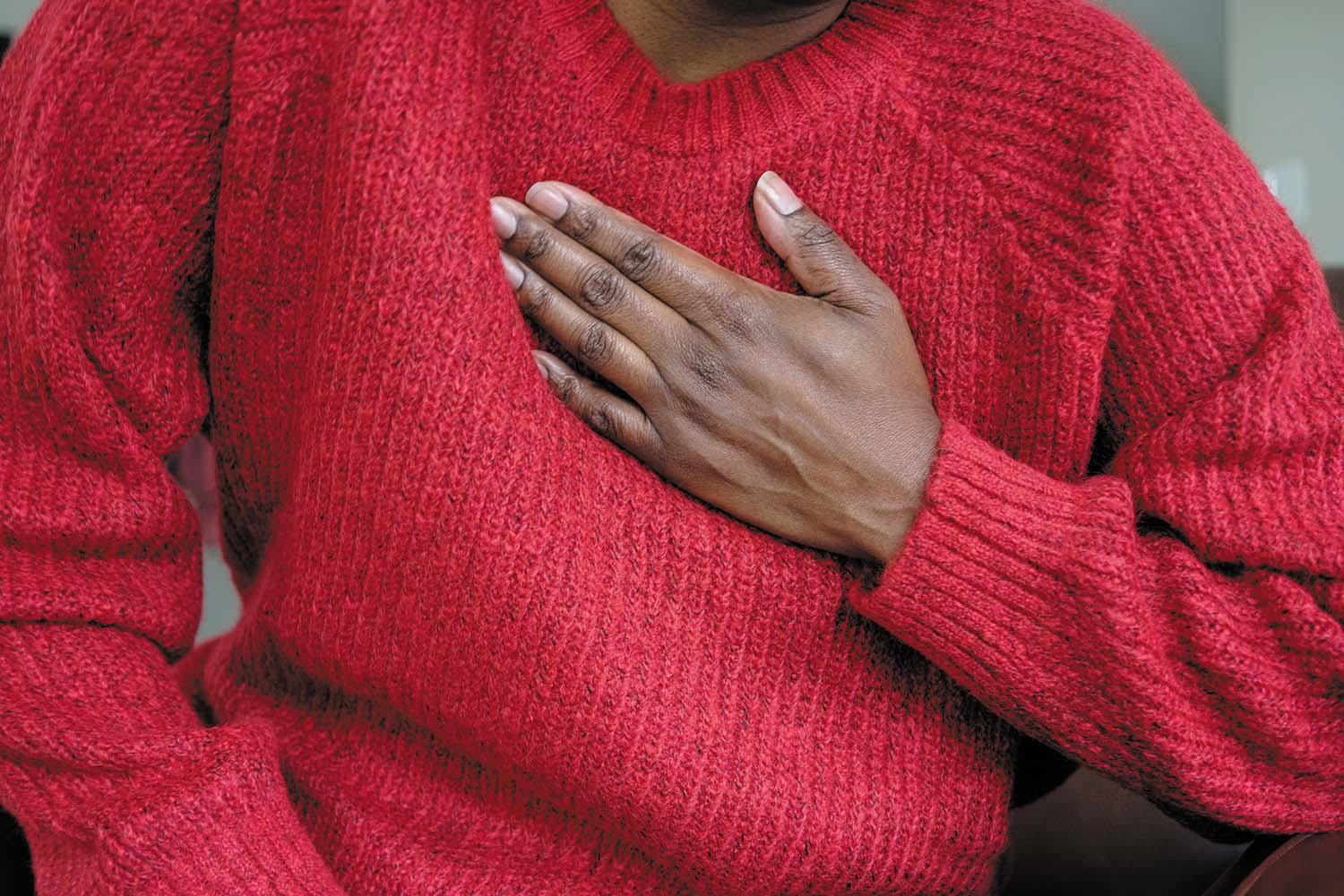
What does heartburn feel like?
Heartburn often starts after a meal. It can create a burning sensation high in the abdomen, just below the bottom of the breastbone, or underneath the middle of the breastbone in the chest. It can also include other symptoms.
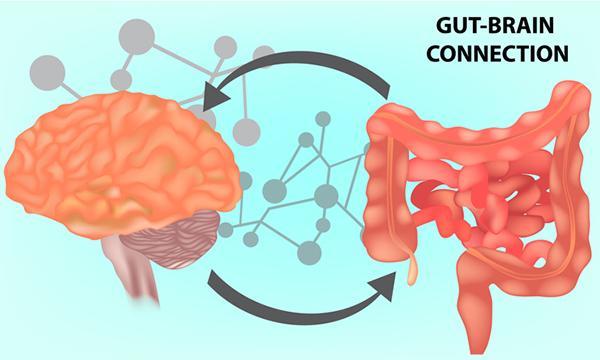
How the gut-brain connection influences mood
The brain communicates with the gastrointestinal tract through a connection scientists call the gut-brain axis. Evidence suggests that when the gut is irritated by triggers such as infection, stress, food, allergies, alcohol, or heredity, the resulting inflammation could influence mood.

Sacroiliac joint pain: Causes, symptoms, and exercises that help
What causes knee pain: How doctors make a diagnosis
Study: At-home colorectal cancer screening may significantly cut colon cancer deaths
Where you carry excess weight matters in predicting heart disease risk
Tai chi walking: What is it and does it work?
Fatty liver disease: Should you be tested?
Weight-loss drug may lower risk of heart attacks and infections
Testosterone therapy without evidence of deficiency may boost heart risk
Even a little exercise linked with lower stroke risk in people with afib
FDA approves first mRNA-based flu vaccine
Free Healthbeat Signup
Get the latest in health news delivered to your inbox!
Sign Up
