Do I need to be worried about elevated levels of pancreas enzymes?
Ask the doctor
Q. My doctor told me that I have a high level of pancreas enzymes. What does this mean? What complications can it cause?
A. A high level of pancreas enzymes may mean inflammation and ongoing damage of your pancreas. Or it may mean nothing at all.
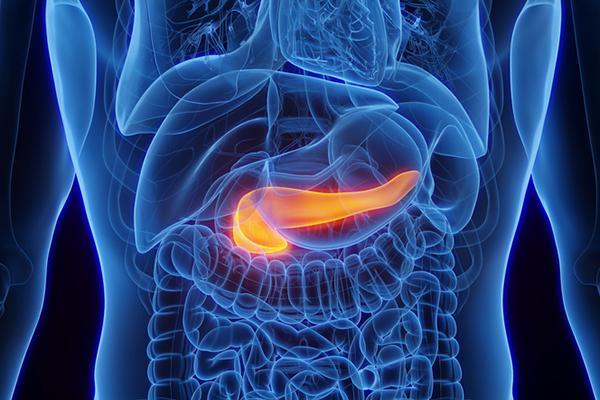
The pancreas is a digestive organ that sits in the upper left side of your abdomen. The pancreas makes digestive juices that flow into the intestine. The juices contain special proteins known as enzymes. Under normal circumstances, small amounts of these enzymes can be measured in the blood.
However, blood levels of pancreas enzymes can soar if the pancreas becomes injured, blocked, or inflamed. If doctors suspect a pancreas problem such as pancreatitis, they often measure the blood levels of two enzymes made by the pancreas: amylase and lipase.
Still, some people have high blood levels of these enzymes even though there's nothing wrong with their pancreas. For example, the enzyme amylase is also made by the intestine and the salivary glands in the mouth. Some people with intestinal problems or with inflammation of the salivary glands will show high blood levels of amylase. Other people will have high levels of amylase for no clear reason at all. This is called hyperamylasemia.
Compared to amylase, elevated levels of lipase are more likely to indicate a problem with the pancreas. That's because lipase doesn't seem to be made by other organs. However, minor increases in lipase levels may be seen in people who are perfectly healthy.
The bottom line: elevated blood levels of pancreas enzymes are only meaningful if they go along with abdominal pain or other symptoms suggestive of a pancreas problem.
Image: © Sebastian Kaulitzki/Science Photo Library/Getty Images
About the Author

Howard E. LeWine, MD, Chief Medical Editor, Harvard Health Publishing; Editorial Advisory Board Member, Harvard Health Publishing
Disclaimer:
As a service to our readers, Harvard Health Publishing provides access to our library of archived content. Please note the date of last review or update on all articles.
No content on this site, regardless of date, should ever be used as a substitute for direct medical advice from your doctor or other qualified clinician.