
Sacroiliac joint pain: Causes, symptoms, and exercises that help

What causes knee pain: How doctors make a diagnosis
Study: At-home colorectal cancer screening may significantly cut colon cancer deaths

Where you carry excess weight matters in predicting heart disease risk

Tai chi walking: What is it and does it work?

Fatty liver disease: Should you be tested?

Weight-loss drug may lower risk of heart attacks and infections

Testosterone therapy without evidence of deficiency may boost heart risk

Even a little exercise linked with lower stroke risk in people with afib

FDA approves first mRNA-based flu vaccine
Screenings and procedures Archive
Articles

Do I really need to avoid nuts, seeds, and popcorn if I have diverticulitis?
Longtime guidance about skipping nuts, seeds, and popcorn after diverticulitis is being challenged. Learn what newer research suggests about your diet.

Could my back pain be related to Crohn's disease?
Back and pelvic pain in people with Crohn’s can signal sacroiliitis or other joint inflammation. Learn how doctors sort this out from routine back strain.
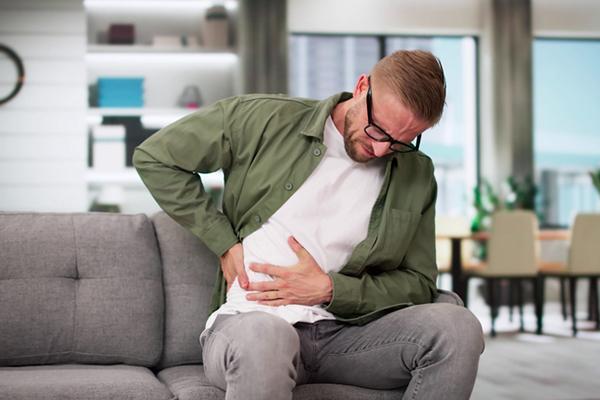
Are those body aches a sign of gallstones?
Pain from gallstones (hardened, stonelike lumps of bile or other digestive fluids that block bile ducts) usually occurs in a distinct pattern. Gallstone attacks typically provoke steady, intense pain in the upper right abdomen that can radiate to the shoulder or back.
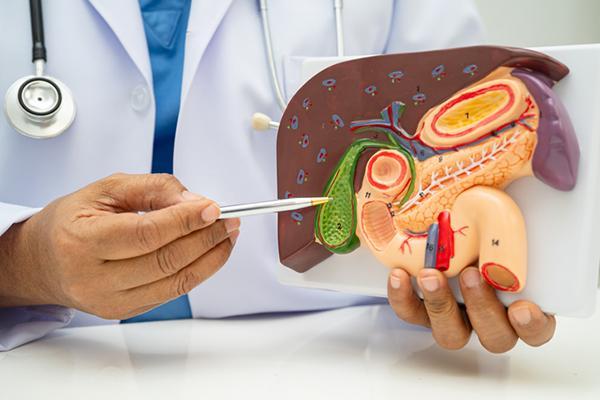
Do gallstones always need treatment?
Not all cases of gallstones need treatment. Many people have gallstones that never cause pain or other symptoms and can be left alone. But if gallstones cause persistent pain or other symptoms, doctors often opt to surgically remove the gallbladder.
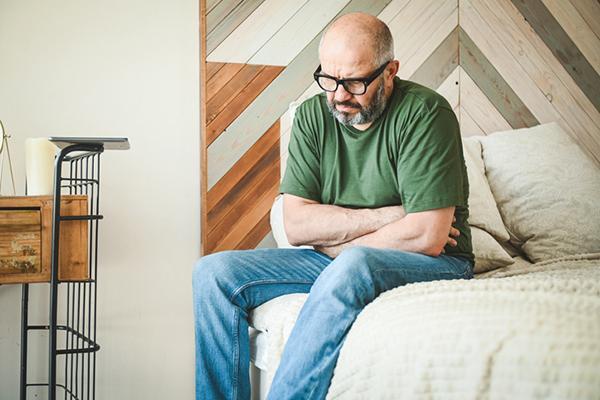
I've developed new digestive problems in midlife. Could something serious be wrong?
Lactose trouble that appears in midlife—plus growing sensitivities to other foods—can hint at changes in the small intestine that warrant a doctor's look.
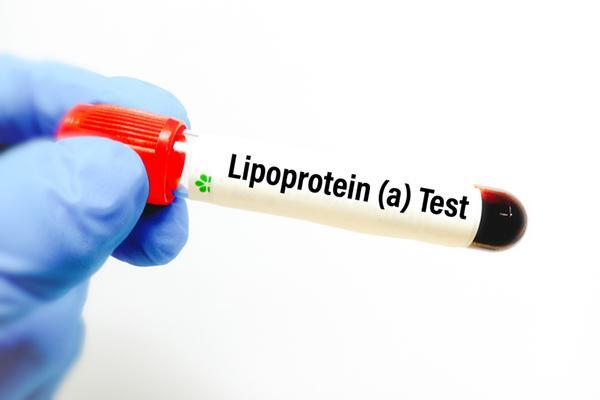
New cholesterol guidelines recommend Lp(a) blood test
All adults should get a lipoprotein(a) blood test at least once in their lifetime, according to the 2026 cholesterol guidelines. Also known as Lp(a), these fatty particles are similar to LDL (bad) cholesterol but more dangerous.

The dos and don'ts of managing diverticular disease
People who have diverticular disease have tiny pouches (diverticula) in the lining of the colon that can bleed or perforate and develop infection (called diverticulitis). People with diverticular disease should eat a healthy diet rich in fiber, drink lots of water, exercise regularly, maintain a healthy weight, not smoke, avoid straining in the bathroom, and report bleeding or pain to a doctor. However, it's not necessary to avoid eating nuts, seeds, or popcorn, which were once believed to lodge in diverticula and cause problems. That old advice turned out to be wrong.
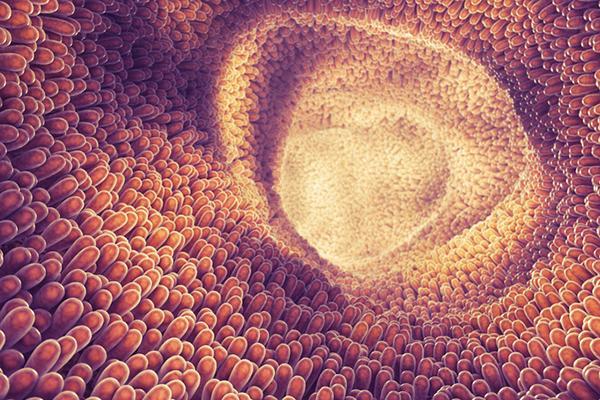
Are do-it-yourself microbiome tests helpful?
Home microbiome tests are pricey and not yet scientifically reliable. Stay on top of your gut health by skipping the test and focusing instead on following a fiber-rich, Mediterranean-style diet that minimizes meat and processed foods.
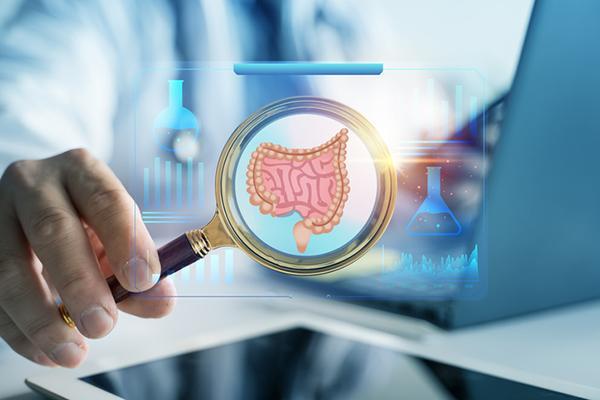

They found colon polyps: Now what?
After removal of precancerous growths (polyps) in the colon, return for a follow-up colon exam in three, five, or 10 years, depending on the number and types of growths that the doctor found and removed. A healthy diet can help prevent cancer.
Sacroiliac joint pain: Causes, symptoms, and exercises that help
What causes knee pain: How doctors make a diagnosis
Study: At-home colorectal cancer screening may significantly cut colon cancer deaths
Where you carry excess weight matters in predicting heart disease risk
Tai chi walking: What is it and does it work?
Fatty liver disease: Should you be tested?
Weight-loss drug may lower risk of heart attacks and infections
Testosterone therapy without evidence of deficiency may boost heart risk
Even a little exercise linked with lower stroke risk in people with afib
FDA approves first mRNA-based flu vaccine
Free Healthbeat Signup
Get the latest in health news delivered to your inbox!
Sign Up
