New cholesterol guidelines recommend Lp(a) blood test
News briefs
- Reviewed by Robert H. Shmerling, MD, Senior Faculty Editor, Harvard Health Publishing; Editorial Advisory Board Member, Harvard Health Publishing
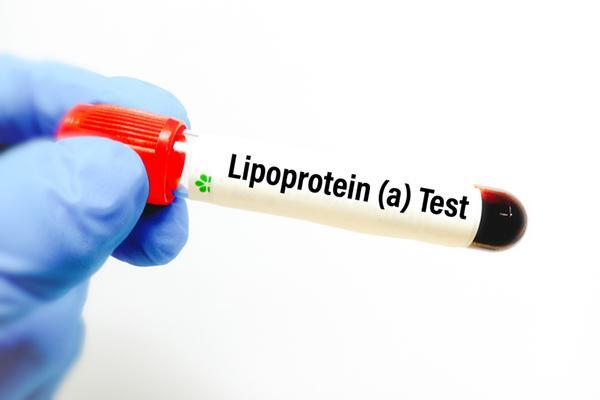
All adults should get a lipoprotein(a) blood test at least once in their lifetime, according to new cholesterol guidelines from 11 major heart and medical organizations, published online April 28, 2026, in Circulation. Also known as Lp(a), these fatty particles are similar to LDL (bad) cholesterol but more dangerous.
About one in five people has high blood levels of Lp(a), which increases the odds of a heart attack even in people with no other risk factors for heart disease. High Lp(a) — defined as 125 nanomoles per liter (nmol/L) or greater — is linked to a 40% increase in long-term risk of heart attack or stroke. Risk rises further with higher values: at 250 nmol/L, risk doubles, and at 350 nmol/L, risk triples. Your genes largely determine your Lp(a) value, which is minimally affected by your eating and exercise habits.
Although there are no medications to lower Lp(a) on the market yet, several are in the pipeline. Meanwhile, people with high Lp(a) may benefit from more intensive treatment to manage their overall risk of heart disease. That may include taking cholesterol-lowering statins, even when LDL cholesterol is normal.
Image: © Salah Uddin/Getty Images
About the Author

Julie Corliss, Executive Editor, Harvard Heart Letter
About the Reviewer

Robert H. Shmerling, MD, Senior Faculty Editor, Harvard Health Publishing; Editorial Advisory Board Member, Harvard Health Publishing
Disclaimer:
As a service to our readers, Harvard Health Publishing provides access to our library of archived content. Please note the date of last review or update on all articles.
No content on this site, regardless of date, should ever be used as a substitute for direct medical advice from your doctor or other qualified clinician.