

CoQ10: Should you take this popular supplement if you're on a statin?

Oat vs. dairy milk: Nutrition, benefits, and downsides

Microplastics: A hidden health threat?

Healing after food poisoning

What is tempeh? Benefits, nutrition, and how to use it

Light exposure at night may raise risk for heart disease

Whole grains may improve several heart risk factors at once

A lumbar belt may help ease low back pain

Children of centenarians may stay healthier and live longer too, study finds

Signs of pneumonia: Sometimes vague and unexpected
Safety/injury prevention Archive
Articles

3 kettlebell moves
Kettlebells can add depth to home workouts as they are easily stored and can be used to perform virtually any type of movement for an all-around workout that hits the major muscles. Kettlebells look like balls or bells with handles on top and range in weight from five to 30 pounds and higher. While they can function similarly to dumbbells, kettlebells can provide a more challenging workout, as a person needs muscle strength, balance, core stability, flexibility, and coordination to control its weight.

Want better sleep? Aim for at least an hour of exercise per week
In a 2024 study, people who exercised at least twice a week (for a total of at least an hour), for 10 years were less likely to report difficulty falling asleep or sleeping for less than six hours a night compared with people who were inactive for 10 years.

What you need to know about electric bicycles
Riding an electric bicycle (e-bike) has risks and benefits. On the plus side, an e-bike-which has a built-in electric motor-can assist a rider when pedaling is difficult. It puts less compression on the joints than a conventional bike, and makes riding easier for people with joint pain or diminished strength or endurance. But at higher speeds, an e-bike can be difficult to control for people not used to riding, which might lead to accidents.

Interval training: A shorter, more enjoyable workout?
High-intensity interval training (HIIT) is a time-efficient way for people to improve their fitness and cardiovascular health. Even short bursts of high-intensity activity may trigger the release of mood-boosting brain chemicals. Traditionally, HIIT features 30 to 90 seconds of high-intensity effort followed by an equal or longer period of lower-intensity activity or rest. HIIT variations include fartlek (Swedish for "speed play"), which uses environmental cues to set intervals, and Tabata, which features 20-second intervals of intensity followed by 10-second recovery intervals.


Easy upper-body boosters
The loss of muscle mass begins in one's 30s and accelerates after age 60. A loss of upper-body strength can make it more difficult to complete daily activities, and it may also increase the risk for muscle injury during an activity that involves reaching. A physical therapy program can help increase muscle mass in older age. Such a program typically involves gentle stretching to keep muscles supple, plus strengthening exercises like triceps curls, with low amounts of weight (just a few pounds) and a high number of repetitions.
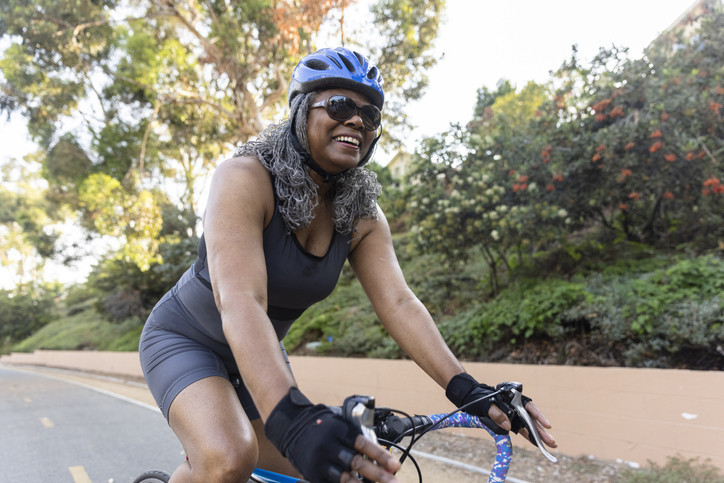
Strong legs help power summer activities: Hiking, biking, swimming, and more
Legs are the foundation for many enjoyable activities-running, bicycling, swimming, and more. Building strong leg muscles can improve your performance, build endurance, and reduce your risk of injury. These exercises will work all of the major muscle groups in your legs.


Take a Nordic walk
Nordic walking is a popular way to enjoy the benefits of walking while getting a full-body workout. It mimics the motion of cross-country skiing by using poles to push yourself as you walk along and can offer a higher-intensity workout than walking.

Yoga skepticism
About 38 million Americans practice yoga, and three-quarters are women. Some people hesitate to try yoga because they wrongly believe they must be slender and flexible and need to buy costly equipment. But yoga's health benefits are plentiful and proven. Research suggests yoga eases depression, boosts sleep quality, improves chronic pain, and reduces cardiovascular disease risks. People can overcome their reluctance to try yoga by joining a class, taking a friend along, asking for modifications, and being patient with their progress.
CoQ10: Should you take this popular supplement if you're on a statin?
Oat vs. dairy milk: Nutrition, benefits, and downsides
Microplastics: A hidden health threat?
Healing after food poisoning
What is tempeh? Benefits, nutrition, and how to use it
Light exposure at night may raise risk for heart disease
Whole grains may improve several heart risk factors at once
A lumbar belt may help ease low back pain
Children of centenarians may stay healthier and live longer too, study finds
Signs of pneumonia: Sometimes vague and unexpected
Free Healthbeat Signup
Get the latest in health news delivered to your inbox!
Sign Up
