

CoQ10: Should you take this popular supplement if you're on a statin?

Microplastics: A hidden health threat?

Oat vs. dairy milk: Nutrition, benefits, and downsides

What is tempeh? Benefits, nutrition, and how to use it

Healing after food poisoning

Children of centenarians may stay healthier and live longer too, study finds

Light exposure at night may raise risk for heart disease

Whole grains may improve several heart risk factors at once

A lumbar belt may help ease low back pain

Signs of pneumonia: Sometimes vague and unexpected
Respiratory health Archive
Articles

What could be causing my persistent cough?
A nagging cough can have many hidden causes. Learn which conditions doctors look for and why a chest x‑ray may be important.
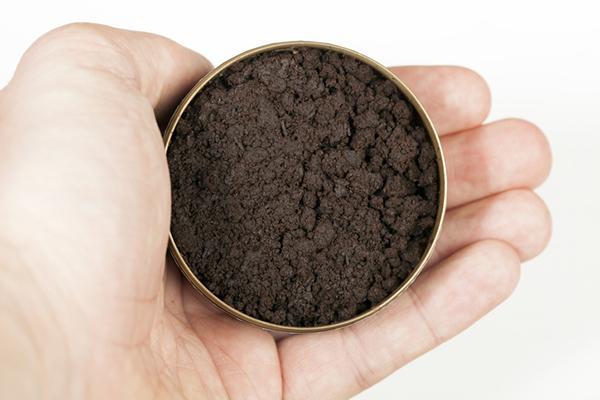
Can chewing tobacco cause a smoker's cough and other health problems?
A daily cough in someone who has used chewing tobacco for years raises concern about "smoker's cough" and other health problems.

Could coughing be caused by acid reflux?
A cough that eases only after eating can be puzzling. Explore how hidden acid reflux might be triggering symptoms at mealtimes and when to ask a doctor about it.
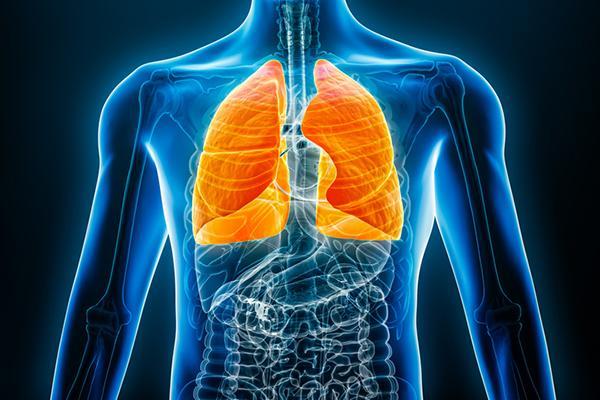
What is pleurisy?
Sharp pain that worsens with a deep breath can signal pleurisy, an inflamed lung lining. It may also indicate something more serious.
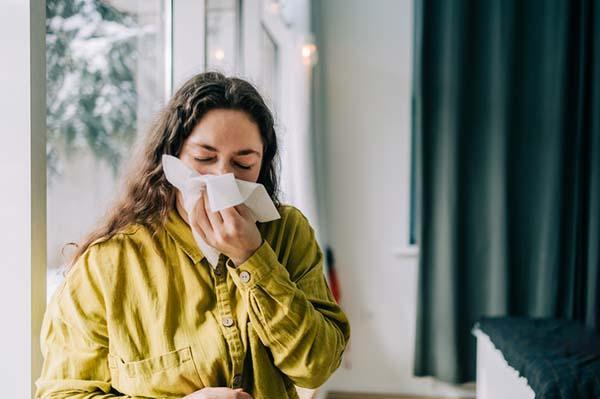
Could mold in the home cause allergy-like symptoms?
Nasal congestion, itchy eyes, fatigue, asthma flares, and skin rashes may trace back to indoor mold. Simple home changes can help cut down exposure.
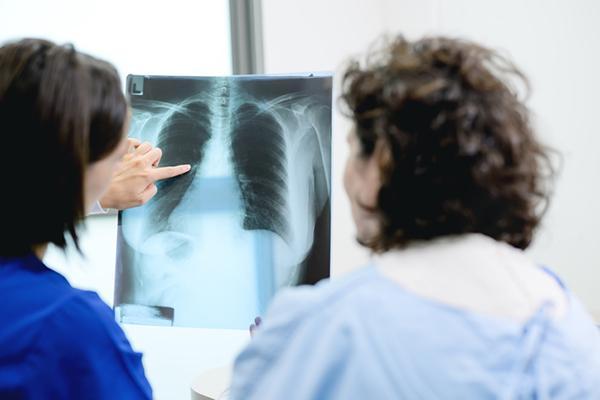
Is a lung nodule the same as lung cancer?
Small spots on lung imaging can stem from old infections, irritants, inflammation, or cancer. Learn how doctors judge risk and decide on follow‑up.

Is it normal to cough a lot after you quit smoking?
After quitting smoking, a nagging cough can feel alarming. Discover what's happening in your lungs and when it's time to call a doctor.

What does end-stage emphysema mean in terms of symptoms and life expectancy?
Severe emphysema can bring crippling breathlessness and the need fro supplemental oxygen. Learn how doctors define the final stage and what it may mean for longevity.

How often should someone with emphysema get a full pulmonary function test?
Managing emphysema involves more than an occasional lung test. Learn how breathing studies, oxygen checks, and symptoms can be used to track your lung health.

Is there a link between type 2 diabetes and sleep apnea?
Type 2 diabetes and sleep apnea often occur together, especially in people with extra weight. Learn how one condition may influence the other.
CoQ10: Should you take this popular supplement if you're on a statin?
Microplastics: A hidden health threat?
Oat vs. dairy milk: Nutrition, benefits, and downsides
What is tempeh? Benefits, nutrition, and how to use it
Healing after food poisoning
Children of centenarians may stay healthier and live longer too, study finds
Light exposure at night may raise risk for heart disease
Whole grains may improve several heart risk factors at once
A lumbar belt may help ease low back pain
Signs of pneumonia: Sometimes vague and unexpected
Free Healthbeat Signup
Get the latest in health news delivered to your inbox!
Sign Up
