Could mold in the home cause allergy-like symptoms?
Ask the doctor
Q. What symptoms do you have when you are exposed to mold in your home?
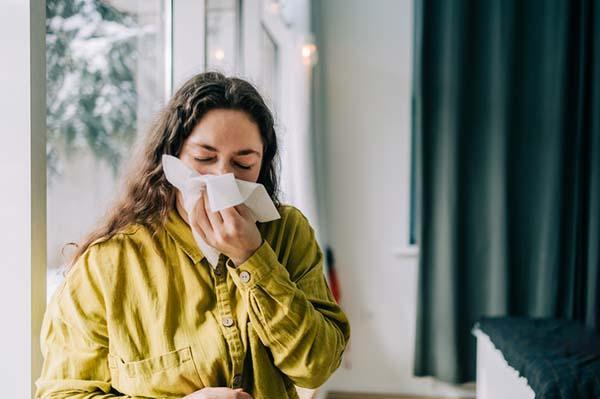
A. You may not have any symptoms, or often you might attribute them to something else. When a person is affected, most often he or she will develop allergy-type symptoms. This includes a congested or runny nose, sneezing, a scratchy throat, and/or itchy, red eyes that water. You may be more likely to develop sinus problems with facial pain, a thick nasal drip, and headache. You can also become more fatigued.
If you have asthma, mold allergy can cause it or make it worse — with coughing, wheezing, and shortness of breath.
Some people get skin reactions from mold exposure, such as eczema and hives.
Indoor allergies to mold are usually more obvious during the winter months. That's because we're spending more time inside the house. But you can have symptoms throughout the year.
People with mold allergy are more likely to also be allergic to other common household allergens such as animal dander, dust mites, and cockroaches.
You should make an appointment with your doctor to discuss your symptoms. There are many effective drugs to help relieve your symptoms. But the most important step is to reduce allergens in your home.
Here are some ways to reduce and eliminate mold at home:
- Get rid of rugs.
- Clear out dark, damp, and cluttered areas inside the home, especially the basement and the garage.
- Clear piles of damp leaves in the spring and fall (or have someone else do it).
- Make sure to clean humidifiers regularly as directed.
- Consider investing in a dehumidifier. Mold likes to grow in moist environments. Make sure to clean the dehumidifier regularly as directed.
Image: © Olga Pankova/Getty Images
About the Author

Howard E. LeWine, MD, Chief Medical Editor, Harvard Health Publishing; Editorial Advisory Board Member, Harvard Health Publishing
Disclaimer:
As a service to our readers, Harvard Health Publishing provides access to our library of archived content. Please note the date of last review or update on all articles.
No content on this site, regardless of date, should ever be used as a substitute for direct medical advice from your doctor or other qualified clinician.