

CoQ10: Should you take this popular supplement if you're on a statin?

Microplastics: A hidden health threat?

Oat vs. dairy milk: Nutrition, benefits, and downsides

What is tempeh? Benefits, nutrition, and how to use it

Healing after food poisoning

Children of centenarians may stay healthier and live longer too, study finds

Light exposure at night may raise risk for heart disease

Whole grains may improve several heart risk factors at once

A lumbar belt may help ease low back pain

Signs of pneumonia: Sometimes vague and unexpected
Respiratory health Archive
Articles

How often should someone with emphysema get a full pulmonary function test?
Managing emphysema involves more than an occasional lung test. Learn how breathing studies, oxygen checks, and symptoms can be used to track your lung health.

Why does my pneumonia keep returning?
Repeated infections in one lung can point to hidden airway damage, aspiration, immune problems, or inflammation. Tests like CT and bronchoscopy may help identify the cause.

Is there a link between type 2 diabetes and sleep apnea?
Type 2 diabetes and sleep apnea often occur together, especially in people with extra weight. Learn how one condition may influence the other.

Thunderstorm asthma: Bad weather, allergies, and asthma attacks
Thunderstorm asthma is an attack that starts or worsens after a thunderstorm. It can occur in anyone with asthma, but it most often affects people with seasonal allergies. There are several risk factors that make experiencing this phenomenon more likely, so it's important to know what these are.

Low vitamin D may raise risk for respiratory infections
A 2026 study found that low vitamin D levels may increase the risk of hospitalization for respiratory infections (such as colds, flu, pneumonia, and bronchitis) by as much as 33%. Sunlight, foods containing vitamin D, and supplements help maintain healthy vitamin D levels.
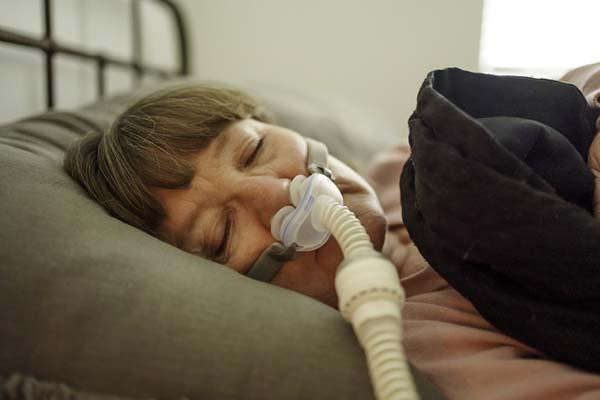
Sleep apnea linked to mental health conditions in middle and older age
Obstructive sleep apnea (OSA), marked by breathing pauses during sleep, is linked to high blood pressure, heart disease, stroke, and diabetes. A 2025 study found that people at high risk for OSA also had about 40% higher odds of depression and other mental health conditions.


How to cope with worsening allergy seasons
Climate change is causing longer, more intense allergy seasons, with increased amounts of pollen. This might make it harder for people to predict when their allergies might crank up, when to begin preparing for them, and how to discern the difference between allergy symptoms and upper respiratory illness. Strategies to cope include noting daily pollen counts, staying indoors when counts are high, checking with a doctor about new or worsening symptoms, and wearing a mask when outside for more than a few minutes.

How winter affects chronic conditions
Certain strategies can help people avoid flare-ups of diseases that seem to be affected by cold weather. For example, people with psoriasis can ward off dry skin (which causes flare-ups) by taking short, lukewarm showers, using a humidifier at home, and moisturizing with cream-based emollients. People with asthma should try to do outdoor activities during warmer parts of the day, take a puff of a rescue inhaler before going out, and wear a mask when outdoors. And people with arthritis can exercise and try heat therapy.

CoQ10: Should you take this popular supplement if you're on a statin?
Microplastics: A hidden health threat?
Oat vs. dairy milk: Nutrition, benefits, and downsides
What is tempeh? Benefits, nutrition, and how to use it
Healing after food poisoning
Children of centenarians may stay healthier and live longer too, study finds
Light exposure at night may raise risk for heart disease
Whole grains may improve several heart risk factors at once
A lumbar belt may help ease low back pain
Signs of pneumonia: Sometimes vague and unexpected
Free Healthbeat Signup
Get the latest in health news delivered to your inbox!
Sign Up
