

Light exposure at night may raise risk for heart disease

Whole grains may improve several heart risk factors at once

A lumbar belt may help ease low back pain

Children of centenarians may stay healthier and live longer too, study finds

Signs of pneumonia: Sometimes vague and unexpected

The surprising link between ovarian cancer and the fallopian tubes

Using a vibration plate: What it can — and can't — do for your body

People who walk more or walk faster live longer, study finds

For sleep apnea, a dental device may be as effective as CPAP

Rosacea treatments: What works?
Respiratory health Archive
Articles
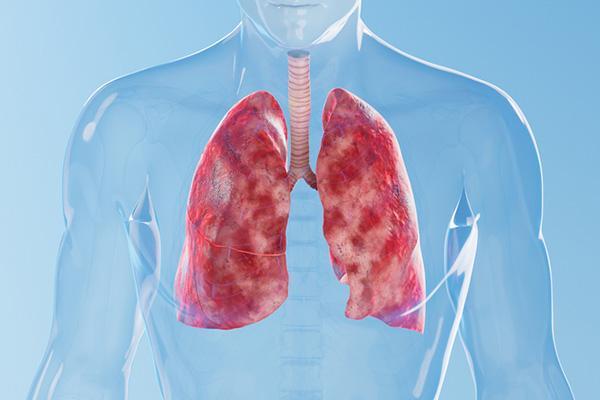
What's the difference between walking pneumonia and bronchitis?
Walking pneumonia and bronchitis can cause similar symptoms, but walking pneumonia is usually caused by bacteria, and bronchitis typically arises from a virus. Symptoms alone can’t reliably tell the two conditions apart.
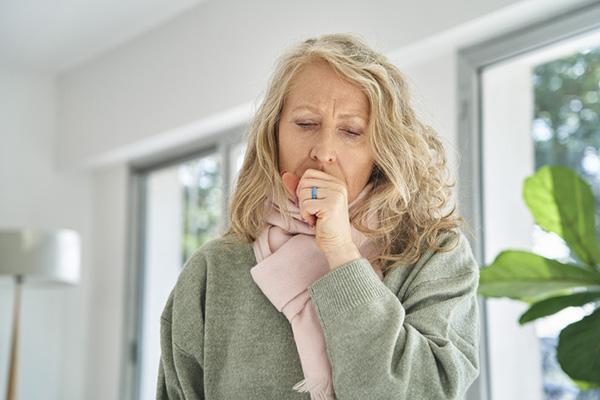
Signs of pneumonia: Sometimes vague and unexpected
Less-recognized symptoms of “classic” pneumonia can include unusual exhaustion, shortness of breath out of proportion to what a person is doing, confusion or sudden mental changes, nausea or loss of appetite, mild fever or none at all, sweating, chills, rapid breathing, or fast heart rate.
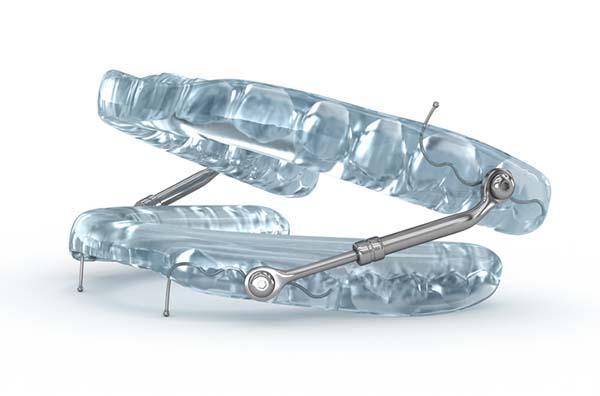
For sleep apnea, a dental device may be as effective as CPAP
For people with sleep apnea and hypertension, using a mandibular advancement device provided similar blood pressure control and less daytime sleepiness as continuous positive airway pressure, according to a 2026 study.

Could sarcoidosis affect platelet levels?
A sarcoidosis diagnosis followed by ITP can raise concerns about a possible connection. Discover what may link these conditions and what remains uncertain.

Could a lingering cough after a cold signal asthma?
A post-cold cough may signal more than a temporary problem. See how reactive airways disease is evaluated and whether risk can be passed to children.

Can allergies affect blood pressure?
Some allergy medicines and nighttime symptoms may affect blood pressure in unexpected ways. Find out what to watch for before choosing a treatment.

Does a lingering cough mean I still have an infection?
A cough that lingers for weeks after a cold can be confusing. Learn why it can persist, what else might be going on, and when to see your doctor.

Could a lost sense of smell signal a health problem?
A change in your sense of smell can have many possible explanations. Find out what factors to consider and when discussing it with a doctor may help.

Walking pneumonia: The "mild" illness that can still pack a punch
Walking pneumonia is a mild form of pneumonia that typically doesn’t stop people from undertaking normal daily activities. Early symptoms can include sore throat, fatigue, mild fever or chills, headache, and a runny or stuffy nose. As it progresses, people may develop a persistent dry cough, chest discomfort, and shortness of breath with exertion.
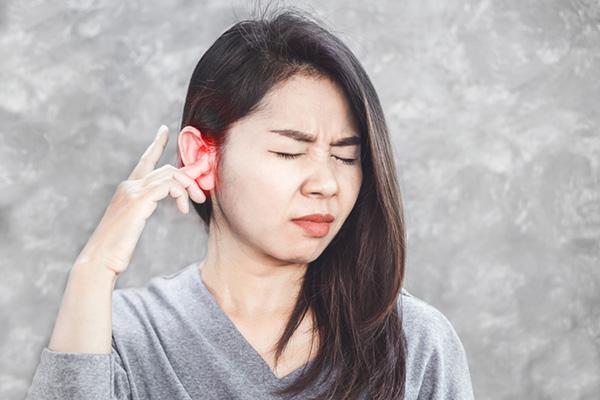
Can allergies trigger ringing in the ears?
Allergy symptoms can affect more than your nose. See why nasal congestion may be linked with tinnitus and what may help guide next steps.
Light exposure at night may raise risk for heart disease
Whole grains may improve several heart risk factors at once
A lumbar belt may help ease low back pain
Children of centenarians may stay healthier and live longer too, study finds
Signs of pneumonia: Sometimes vague and unexpected
The surprising link between ovarian cancer and the fallopian tubes
Using a vibration plate: What it can — and can't — do for your body
People who walk more or walk faster live longer, study finds
For sleep apnea, a dental device may be as effective as CPAP
Rosacea treatments: What works?
Free Healthbeat Signup
Get the latest in health news delivered to your inbox!
Sign Up
