Is a lung nodule the same as lung cancer?
Ask the doctor
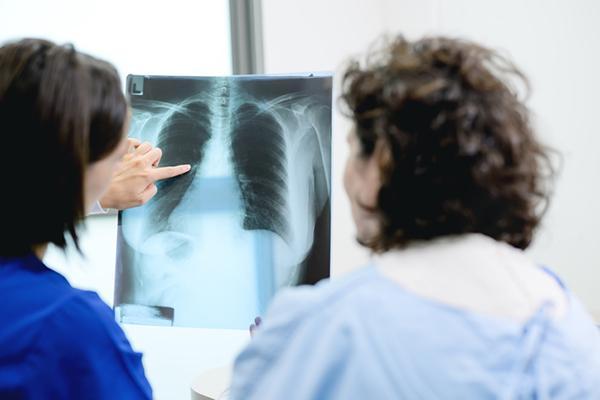
Q. If a 40-year-old former smoker has been told she has pulmonary (lung) nodules, does this mean lung cancer?
A. The term nodule is usually used to describe a small rounded growth or lump. This can appear anywhere on or in the body, or it may be found on an x-ray or other type of scan. Nodules can be a sign of cancer. But more often they are benign (noncancerous) growths.
Pulmonary nodules are small rounded growths in the lung. They are usually found on chest x-rays or CT scans. Causes of pulmonary nodules include:
- infection of the lungs, including infections by tuberculosis, parasites, or fungi that may have happened years or even decades ago
- exposure to certain types of lung irritants such as coal dust or silica
- abnormal blood vessels (arteriovenous malformations or AVMs)
- minor abnormalities present since birth
- inflammatory conditions such as rheumatoid arthritis, sarcoidosis, or granulomatosis with polyangiitis
- lung cancer
- cancer that started in another organ and spread to the lung, such as metastatic breast cancer.
Your doctor will perform a thorough evaluation to sort out the cause of any new nodule or nodules found. This usually starts with collecting information about you and your medical history. For example, a small lung nodule in a healthy 40-year-old person that smoked for a few years and quit in their 20s is more likely to be benign. On the other hand, one or more lung nodules in a person who has or had breast cancer would be very worrisome because it could mean cancer has spread.
Next, your doctor will carefully review your imaging tests. Certain characteristics may make the nodules appear more or less worrisome. If your nodule was found on a plain x-ray, your doctor has probably already ordered a chest CT scan. Depending on the result, a positron emission tomography (PET) scan may help inform next steps.
If your doctor is not highly suspicious that your nodule is caused by something worrisome, he or she may simply recommend a repeat scan in three to six months. If the nodule remains the same size, this is usually reassuring.
But you may need to have a biopsy if you have a nodule that immediately looks suspicious, or the nodule is growing over time.
Image: © Nitat Termmee/Getty Images
About the Author

Howard E. LeWine, MD, Chief Medical Editor, Harvard Health Publishing; Editorial Advisory Board Member, Harvard Health Publishing
Disclaimer:
As a service to our readers, Harvard Health Publishing provides access to our library of archived content. Please note the date of last review or update on all articles.
No content on this site, regardless of date, should ever be used as a substitute for direct medical advice from your doctor or other qualified clinician.