

People who walk more or walk faster live longer, study finds

Rosacea treatments: What works?

For sleep apnea, a dental device may be as effective as CPAP

Carb cycling: What is it, and does it work?

Understanding orthorexia: Have your healthy eating goals gone too far?

Melatonin or magnesium: Can either supplement help you sleep?

Salmonella, E. coli, Cyclospora, and other germs that cause food poisoning: What you need to know

Naturally gluten-free foods

Harvard study: Healthier fats linked to longer life after prostate cancer diagnosis

Shingrix shingles vaccine linked with lower heart disease risks
Refractive errors and astigmatism Archive
Articles
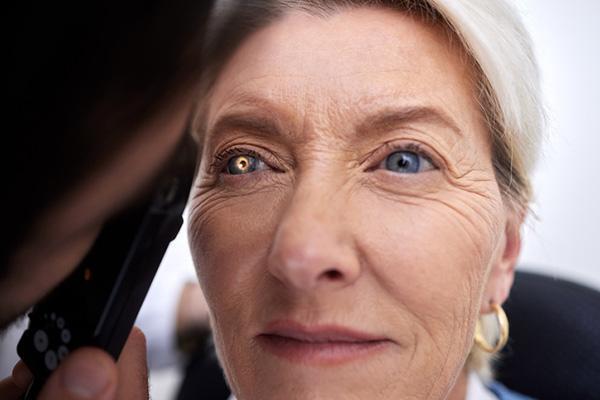
How can entropion affect your eyes?
Entropion can cause more than an irritating eyelash sensation. See what symptoms to watch for and why timely eye care matters.

What can cause flashes of light in your vision?
Flashes of light may be harmless, but some patterns deserve prompt medical attention.
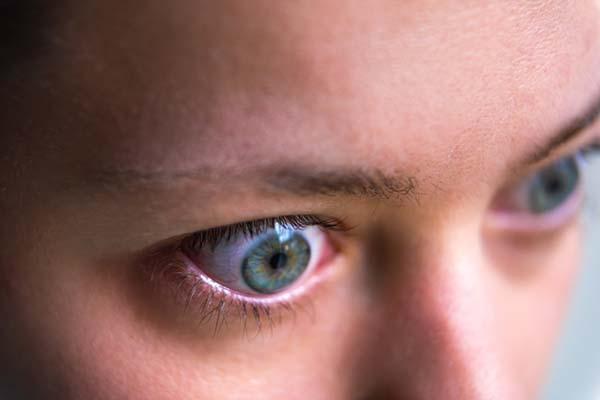
What can cause bulging eyes to develop?
My 50-year old son has developed bulging eyes over the last few months. It makes him look different, and I would like to know what may cause this.
Can cigarette smoking make glaucoma worse?
Smoking affects eye health in several ways, but its connection to glaucoma is less clear. See what doctors recommend for people with glaucoma.
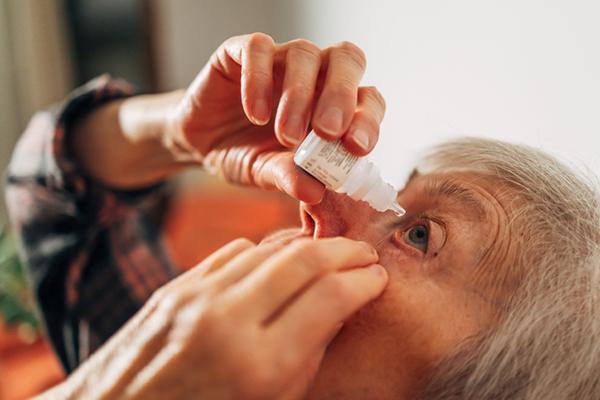
Red eyes, dry eyes, and more: Top questions for your eye doctor
The most common questions people ask eye doctors focus on common eye symptoms such as burning and redness; choosing reading glasses; using tinted glasses for night driving; and ways to preserve eye health.
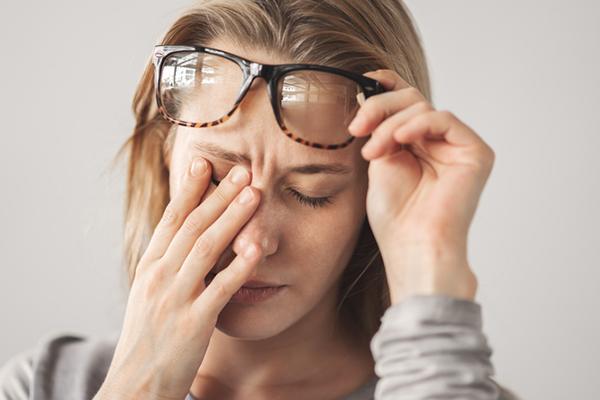
What could have caused a sudden bright red patch in the white of my eye?
A bright red patch on the white of your eye can be scary, even when it doesn’t hurt. Find out what might have caused it and when to call a doctor.
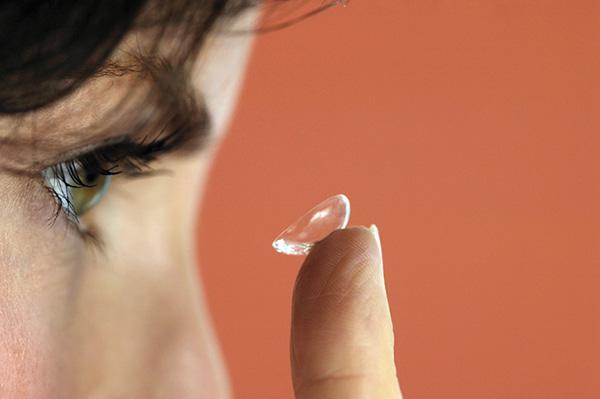
Can I wear contacts after age 50?
In middle and older age, dry eyes and poor close-up vision can make it harder to wear contact lenses. Multifocal or monovision lenses, eye drops, and certain lens materials can help keep contacts comfortable and reduce the need for reading glasses.
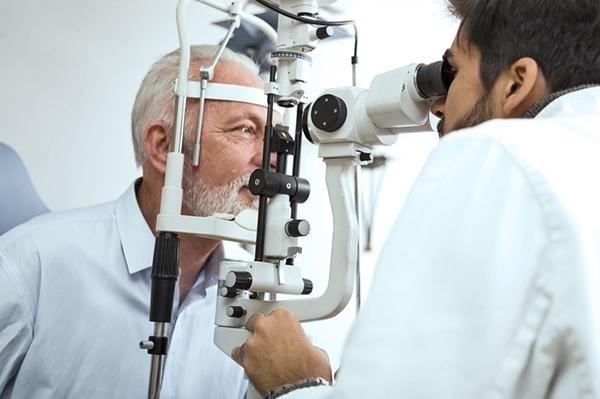
Eye care in an emergency
For many eye emergencies, it’s best to call an ophthalmologist for an initial assessment and instructions about next steps. It is better to go to an emergency department for significant eye injuries or sudden vision loss.
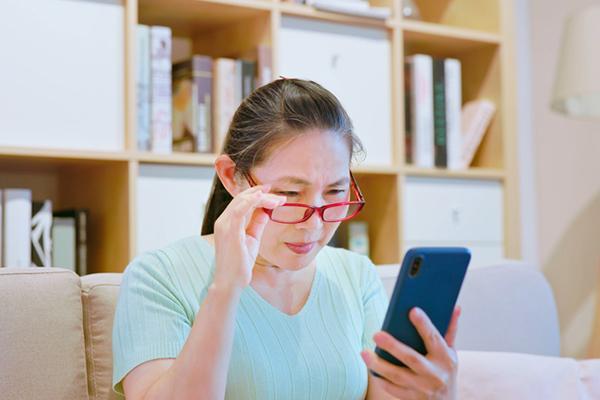
Tips for adjusting to bifocals and other specialty lenses
Adjusting to bifocals, trifocals, or progressive lenses can be challenging. Unlike traditional glasses, these versions include two or more vision zones. Because people use different parts of the lens for different tasks, objects can seem slightly distorted when they move their eyes.
People who walk more or walk faster live longer, study finds
Rosacea treatments: What works?
For sleep apnea, a dental device may be as effective as CPAP
Carb cycling: What is it, and does it work?
Understanding orthorexia: Have your healthy eating goals gone too far?
Melatonin or magnesium: Can either supplement help you sleep?
Salmonella, E. coli, Cyclospora, and other germs that cause food poisoning: What you need to know
Naturally gluten-free foods
Harvard study: Healthier fats linked to longer life after prostate cancer diagnosis
Shingrix shingles vaccine linked with lower heart disease risks
Free Healthbeat Signup
Get the latest in health news delivered to your inbox!
Sign Up
