

Carb cycling: What is it, and does it work?

Understanding orthorexia: Have your healthy eating goals gone too far?

Melatonin or magnesium: Can either supplement help you sleep?

Salmonella, E. coli, Cyclospora, and other germs that cause food poisoning: What you need to know

Shingrix shingles vaccine linked with lower heart disease risks

Harvard study: Healthier fats linked to longer life after prostate cancer diagnosis

Naturally gluten-free foods

Stair climbing may significantly lower cardiovascular risks

Estrogen-only hormone therapy tied to lower dementia risk

Should you have a hysterectomy?
Prostate Cancer Archive
Articles

The latest in cancer treatments
Groundbreaking cancer treatments continuously emerge from labs and research trials. Three Harvard oncologists share what stands out in their respective fields of prostate, lung, and colon cancer, the most common cancers among men. Examples include greater roles for immunotherapy, targeted therapy, and intensive hormonal treatments.

Prostate cancer: Can imaging substitute for repeat biopsies during active surveillance?
Men with lower-risk prostate cancer often opt for active surveillance, which involves regular testing and biopsies to check for possible tumor growth. A newer type of imaging may reduce the frequency of repeat biopsies for some men, but there are concerns about its limitations.

What's the best way to test for low testosterone?
A blood test for total testosterone is the usual first step in men concerned about low T levels. The best time to get tested is between 7 a.m. and 10 a.m.

Leaking a little urine: It's not just a female problem
Men often have a hard time coping with incontinence (urine leakage). It can leave them feeling depressed or socially isolated. Types of leakage problems in men include urge, stress, and overflow incontinence. Treatment depends on the type of incontinence a man is experiencing. For example, overflow incontinence may get better with a procedure to reduce the size of the prostate; medications, injections in the bladder muscle, and pelvic floor exercises can help with urge incontinence.

Prostate cancer: Radiation therapy elevates risk for future cancers
A standard treatment for localized prostate cancer is radiation, but there is a risk that it can lead to secondary cancers forming in the body later. Now, a large study of men treated with current radiation delivery methods clarifies that the amount of risk is low, but real.

Medications to lower triglycerides
People with high triglyceride levels may be candidates for icosapent ethyl (Vascepa), a drug made from highly purified fish oil. It lowers triglycerides and, when taken with a statin, lowers the risk of heart attack, stroke, and death from cardiac causes.
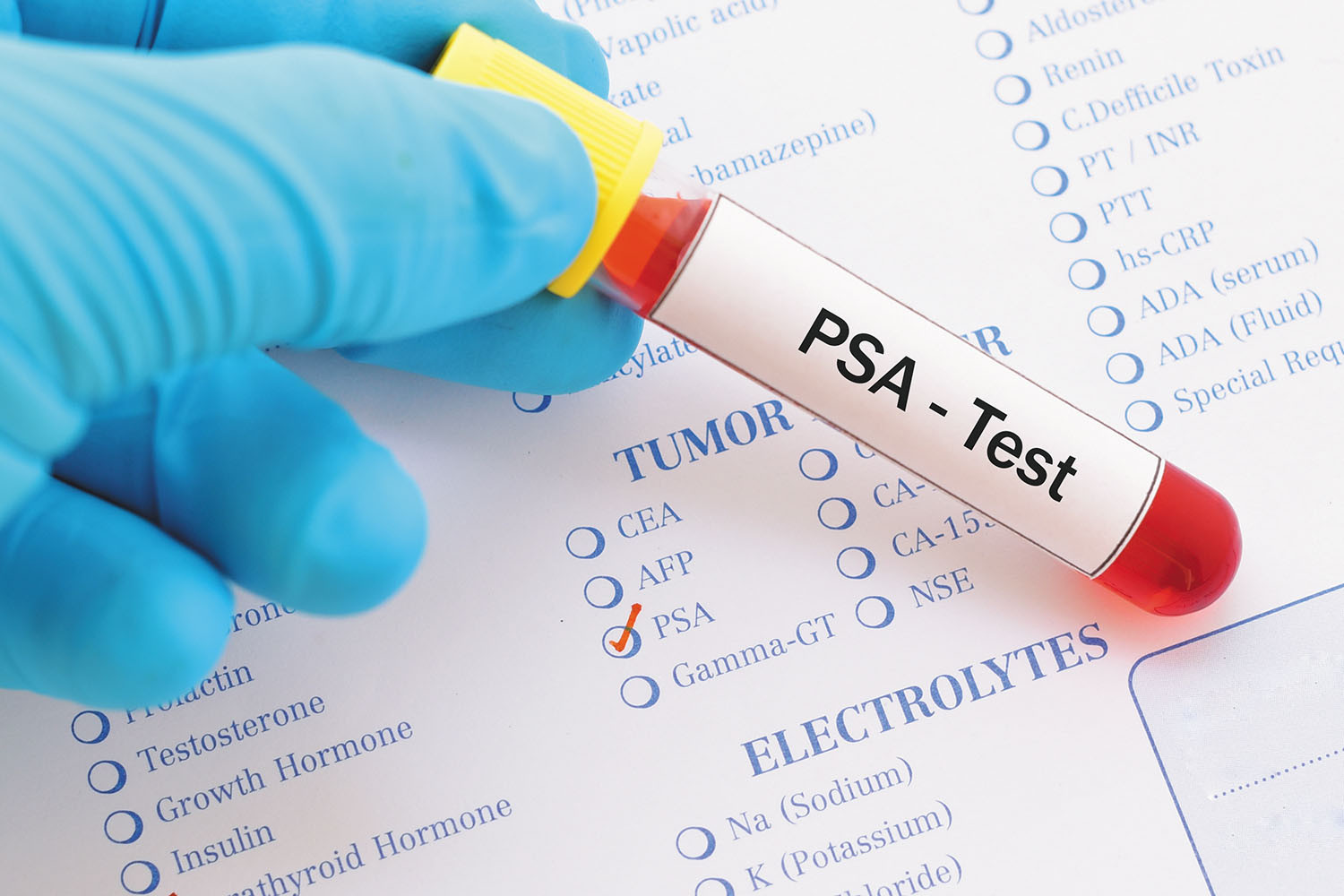
Should I continue to get regular PSA testing after age 70?
Whether or not to continue PSA testing after age 70 depends on many factors, but especially a man's family history of prostate cancer and how comfortable he is about getting a biopsy or treatment if the test results suggest possible cancer.

Treatment for an enlarged prostate
Benign prostatic hyperplasia, also known as an enlarged prostate, occurs in about 50% of men by age 60. It can lead to urination problems like a hesitant, interrupted, or weak urine stream; dribbling after urinating; a feeling that the bladder does not completely empty; and more frequent urination, especially at night. Medication and lifestyle changes are the first-line treatments, but if these don't work, men can choose from several types of surgery or less-invasive procedures to help manage symptoms.

Which drug for erectile dysfunction?
For men with erectile problems, taking one of the four medications available can produce an erection 70% of the time.

Understanding sex drive
Men's sex drive can wane and fluctuate with age, but that does not mean they still cannot enjoy a healthy and satisfying sex life. The goal to working with a changing sex drive is to focus more on the non-physical side of sex, which can help reignite the sexual spark for both people in the relationship. Examples include more romantic touching with your partner, communicating about each other's needs, and experimenting with different sex routines and practices.
Carb cycling: What is it, and does it work?
Understanding orthorexia: Have your healthy eating goals gone too far?
Melatonin or magnesium: Can either supplement help you sleep?
Salmonella, E. coli, Cyclospora, and other germs that cause food poisoning: What you need to know
Shingrix shingles vaccine linked with lower heart disease risks
Harvard study: Healthier fats linked to longer life after prostate cancer diagnosis
Naturally gluten-free foods
Stair climbing may significantly lower cardiovascular risks
Estrogen-only hormone therapy tied to lower dementia risk
Should you have a hysterectomy?
Free Healthbeat Signup
Get the latest in health news delivered to your inbox!
Sign Up
