

CoQ10: Should you take this popular supplement if you're on a statin?

Microplastics: A hidden health threat?

Oat vs. dairy milk: Nutrition, benefits, and downsides

What is tempeh? Benefits, nutrition, and how to use it

Healing after food poisoning

Children of centenarians may stay healthier and live longer too, study finds

Light exposure at night may raise risk for heart disease

Whole grains may improve several heart risk factors at once

A lumbar belt may help ease low back pain

Signs of pneumonia: Sometimes vague and unexpected
Positive Psychology Archive
Articles

Are video calls a loneliness cure?
If you haven't made a video call yet, give it a try to fight isolation.
When much of the world began lockdowns to battle coronavirus in March 2020, many people turned to video calls to fight off the loneliness that often accompanies social isolation. Tech companies reported that the use of video calls for socializing surged by as much as 80%, enabling people to "see" family and friends. But it doesn't take a lockdown to warrant the use of this technology.
The epidemic of loneliness and isolation
Loneliness affects more than a third of older Americans. Another third of older adults feel isolated: they may be living alone, lack transportation, or live far from loved ones. Or they may have outlived a spouse or friends.

Live in the moment, but also plan for future stress
In the journals
Need help staying positive during trying times? Live more in the moment, but also focus on how to cope with future stresses. This advice comes from a study published online March 25, 2020, by Personality and Individual Differences.
Researchers explored two factors in how people handle stress: mindfulness and proactive coping. Mindfulness is when people live in the moment rather than dwelling on the past or worrying about the future. Proactive coping is when people make efforts to reduce the effect stress has on them.

Is your habit getting out of control?
Stress can raise your risk of developing a substance use disorder. Here's how to get help when you need it.
In recent months, Americans' collective stress level has risen in response to the pandemic and economic fallout. Many people are looking for ways to help themselves feel better. Unfortunately, stress can trigger a number of unhealthy coping strategies — drinking alcohol to excess, bingeing on junk food, engaging in drug use, or other harmful behaviors. If you've ever had a substance use disorder, a bout of significant stress may even put your recovery at risk.
This is likely due to the shift the human brain makes in times of trauma. Instead of focusing on long-term goals, your brain zeroes in on short-term objectives.

Should you use an antidepressant to get through a difficult time?
Before taking pills for a temporary situation, consider the risks.
You might think that using an antidepressant temporarily could help you weather a challenging time, such as a period of grief, extreme stress, or serious illness. But you shouldn't just jump into taking an antidepressant, cautions Dr. Jane Erb, psychiatric director of the Behavioral Health Integration in Primary Care Program at Harvard-affiliated Brigham and Women's Hospital.
"There's no evidence that taking an antidepressant in the short term will help or that it will prevent longer-term consequences of stress, such as post-traumatic stress disorder," she says.

Learn new things without leaving home
Resources to teach you new skills are more accessible than ever, and the experience could lead to sharper thinking.
The world is full of ordinary people who've learned to do extraordinary things without entering a classroom. For example, British fashion designer Nadine Merabi taught herself to sew watching how-to videos on YouTube. Video game developer Lual Mayen learned to write computer programs using a laptop tutorial, as he grew up in a Ugandan refugee camp.
But learning new things doesn't have to lead to fame or fortune; learning also brings invaluable health benefits, such as more purpose in life, sharper thinking, and maybe even better brain health. "Engaging in mentally stimulating activities has not only been linked with a lower risk of full-blown dementia, but also a lower risk that the mild cognitive lapses we can have as we get older will get worse," says Dr. Joel Salinas, a neurologist who specializes in behavioral neurology and neuropsychiatry at Harvard-affiliated Massachusetts General Hospital.

Can controlling blood pressure later in life reduce risk of dementia?
An analysis of multiple studies looking at the relationship between high blood pressure and cognitive health –– abilities like thinking, memory, and attention –– found that older people who lower high blood pressure are slightly less likely to develop cognitive impairment or dementia.
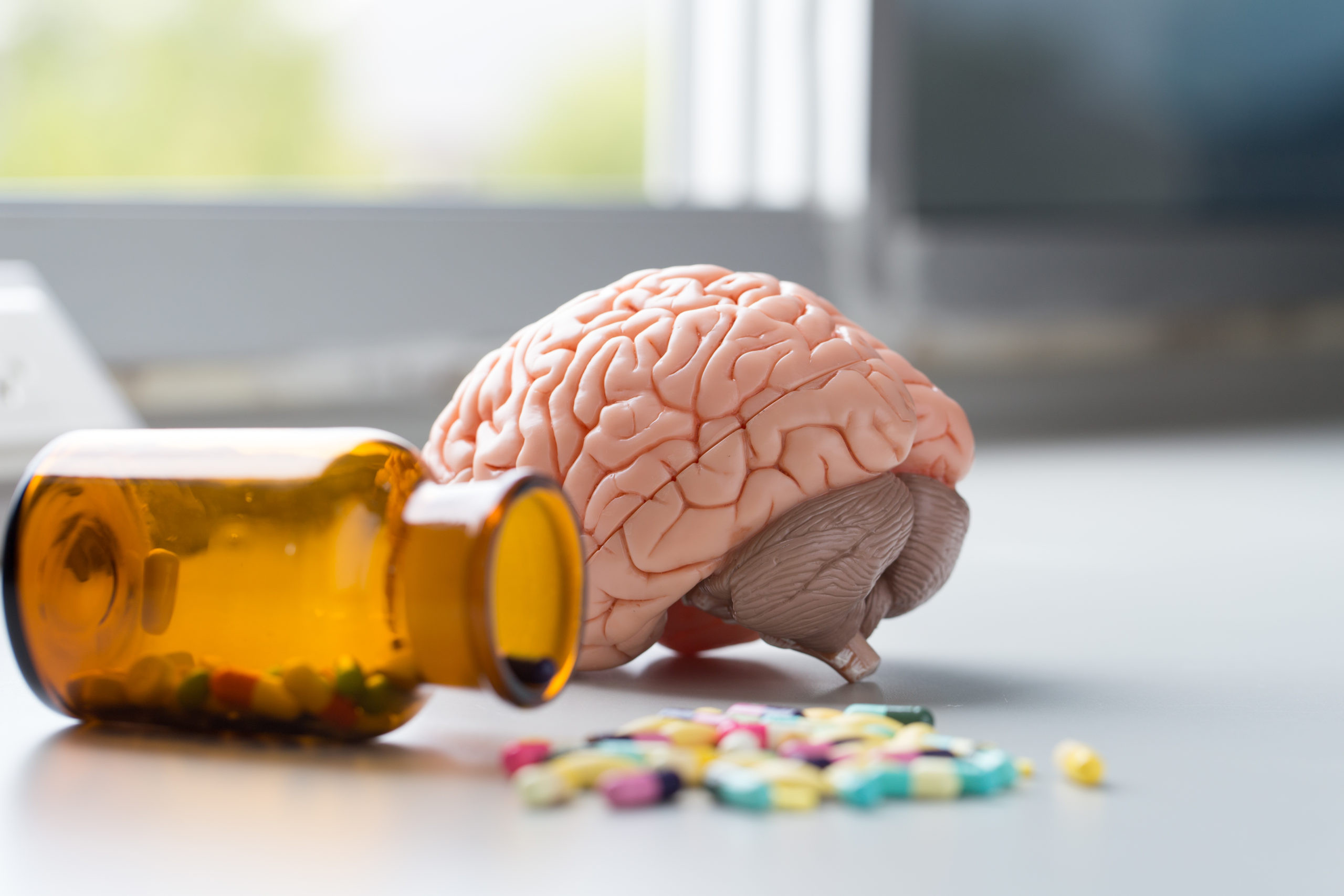
Brain plasticity in drug addiction: Burden and benefit
The brain’s neuroplasticity — its ability to adapt and change — makes it possible for us to learn new skills and solve complex problems, but it also makes some people more vulnerable to the consequences of substance use disorders. This same ability also makes it possible for a person to make cognitive modifications in order to change an addictive behavior.


Global mental health in the time of COVID-19
The singular focus of health care services on COVID-19 has disrupted mental health care, and people with new or existing issues are having difficulty accessing much-needed care. A global initiative launched at Harvard Medical School aims to rectify this situation and transform global mental health.

CoQ10: Should you take this popular supplement if you're on a statin?
Microplastics: A hidden health threat?
Oat vs. dairy milk: Nutrition, benefits, and downsides
What is tempeh? Benefits, nutrition, and how to use it
Healing after food poisoning
Children of centenarians may stay healthier and live longer too, study finds
Light exposure at night may raise risk for heart disease
Whole grains may improve several heart risk factors at once
A lumbar belt may help ease low back pain
Signs of pneumonia: Sometimes vague and unexpected
Free Healthbeat Signup
Get the latest in health news delivered to your inbox!
Sign Up
