

CoQ10: Should you take this popular supplement if you're on a statin?

Microplastics: A hidden health threat?

Oat vs. dairy milk: Nutrition, benefits, and downsides

What is tempeh? Benefits, nutrition, and how to use it

Healing after food poisoning

Children of centenarians may stay healthier and live longer too, study finds

Light exposure at night may raise risk for heart disease

Whole grains may improve several heart risk factors at once

A lumbar belt may help ease low back pain

Signs of pneumonia: Sometimes vague and unexpected
Positive Psychology Archive
Articles

How to avoid a relapse when things seem out of control
This year has been extremely stressful for everyone, and that stress can lead to harmful habits. For those working to stay in recovery from an addiction, the challenge is even more profound. Those in this situation know that the more stressful things are, the more important it is to practice the healthy habits that sustain recovery.

Blood test could find Alzheimer’s disease before symptoms appear
In the journals
Researchers are close to finding early cancer with a blood test. They may soon do the same with Alzheimer's disease. A new blood test called p-tau217 has shown great promise in diagnosing people with the disease, according to findings published online July 28, 2020, by JAMA.
The test looks for a specific type of tau protein in the blood. In people with Alzheimer's, tau protein in the brain forms tangles. Accumulation of tau protein tangles along with beta-amyloid deposits is thought to play a key role in how the disease develops.

Happy holidays?
Here's how to cope when your usual traditions get uprooted.
The holiday season, like just about everything else this year, probably won't look the same as usual. Whether that means going to smaller gatherings without the usual relatives, quarantining when traveling, or staying home entirely, chances are something will be different this year thanks to the COVID-19 pandemic. For many who look forward to a full table at Thanksgiving or a big party on New Year's Eve, these changes are unwelcome, and frankly a little depressing.
In response, people may experience emotions ranging from guilt to loneliness to a feeling of disconnected sadness, says Dr. Hilary Connery, assistant professor of psychiatry at Harvard Medical School.

Talking to your doctor about an abusive relationship
Intimate partner violence can occur between people of any gender or sexual orientation. Abuse can leave people feeling isolated, confused, or hopeless, and talking to a health professional is one way to get help in the form of medical treatment or access to appropriate services.




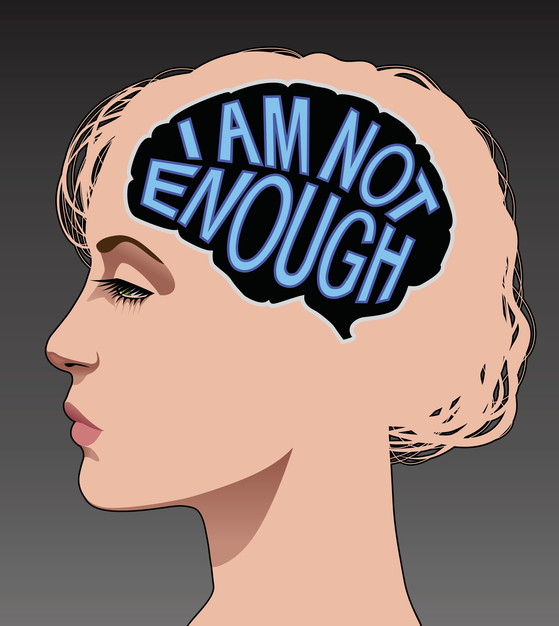

Trauma-informed care: What it is, and why it's important
Because medical exams are invasive, and because many people have experienced some form of trauma and may be uncomfortable with aspects of the exam, healthcare providers should approach care with consideration for what patients may have experienced.
CoQ10: Should you take this popular supplement if you're on a statin?
Microplastics: A hidden health threat?
Oat vs. dairy milk: Nutrition, benefits, and downsides
What is tempeh? Benefits, nutrition, and how to use it
Healing after food poisoning
Children of centenarians may stay healthier and live longer too, study finds
Light exposure at night may raise risk for heart disease
Whole grains may improve several heart risk factors at once
A lumbar belt may help ease low back pain
Signs of pneumonia: Sometimes vague and unexpected
Free Healthbeat Signup
Get the latest in health news delivered to your inbox!
Sign Up
