

CoQ10: Should you take this popular supplement if you're on a statin?

Microplastics: A hidden health threat?

Oat vs. dairy milk: Nutrition, benefits, and downsides

What is tempeh? Benefits, nutrition, and how to use it

Healing after food poisoning

Children of centenarians may stay healthier and live longer too, study finds

Light exposure at night may raise risk for heart disease

Whole grains may improve several heart risk factors at once

A lumbar belt may help ease low back pain

Signs of pneumonia: Sometimes vague and unexpected
Positive Psychology Archive
Articles

Sleeping too much or not enough may raise the risk of cognitive decline
Research we're watching
People who sleep too much or too little may be at higher risk for cognitive decline, according to a study published Sept. 21, 2020, by JAMA Network Open. Researchers looked at self-reported sleep duration from 20,065 people in two large studies, one in the United Kingdom and one in China. The participants from the United Kingdom were ages 50 and older and those living in China were 45 and older and were followed by researchers for up to 15 years. Researchers asked participants questions about their sleep patterns and performed a cognitive assessment. The process was repeated at two year intervals during the various study periods. Researchers found that people who slept too little (four or fewer hours a night) or too much (10 or more hours a night) were more likely than more typical sleepers to experience cognitive decline.
Image: SelectStock/Getty Images

An outlook better than optimism?
While looking at the sunny side of life offers a lot of light moments, there may be a better path to well-being.
Optimism feels good. The expectation that positive things will happen is associated with happiness and better health, including fewer heart attacks and a lower risk for premature death. Pessimism, on the other hand, feels bad; it makes you depressed or anxious and keeps the fight-or-flight system activated, triggering chronic inflammation (which is linked to many diseases).
You might think the best way to improve your well-being is to cultivate an optimistic outlook. Think again. "Better than cultivating an artificial optimism is to see the situation and the world realistically," says Ronald Siegel, an assistant professor of psychology, part-time, at Harvard Medical School and medical editor of the Harvard Special Health Report Positive Psychology.

3 simple strategies for stress relief
As we wade through our daily lives, stress is almost impossible to avoid –– particularly these days. Instead of enduring stress and letting it engulf you, try one or more of these three easy strategies to relieve it.

How not to lose money because of Alzheimer's disease
Researchers found that people who go on to develop Alzheimer's disease or a related disorder are more likely to miss paying a bill prior to being diagnosed, but such people face more significant related issues: poor financial decision-making and falling victim to financial scams.
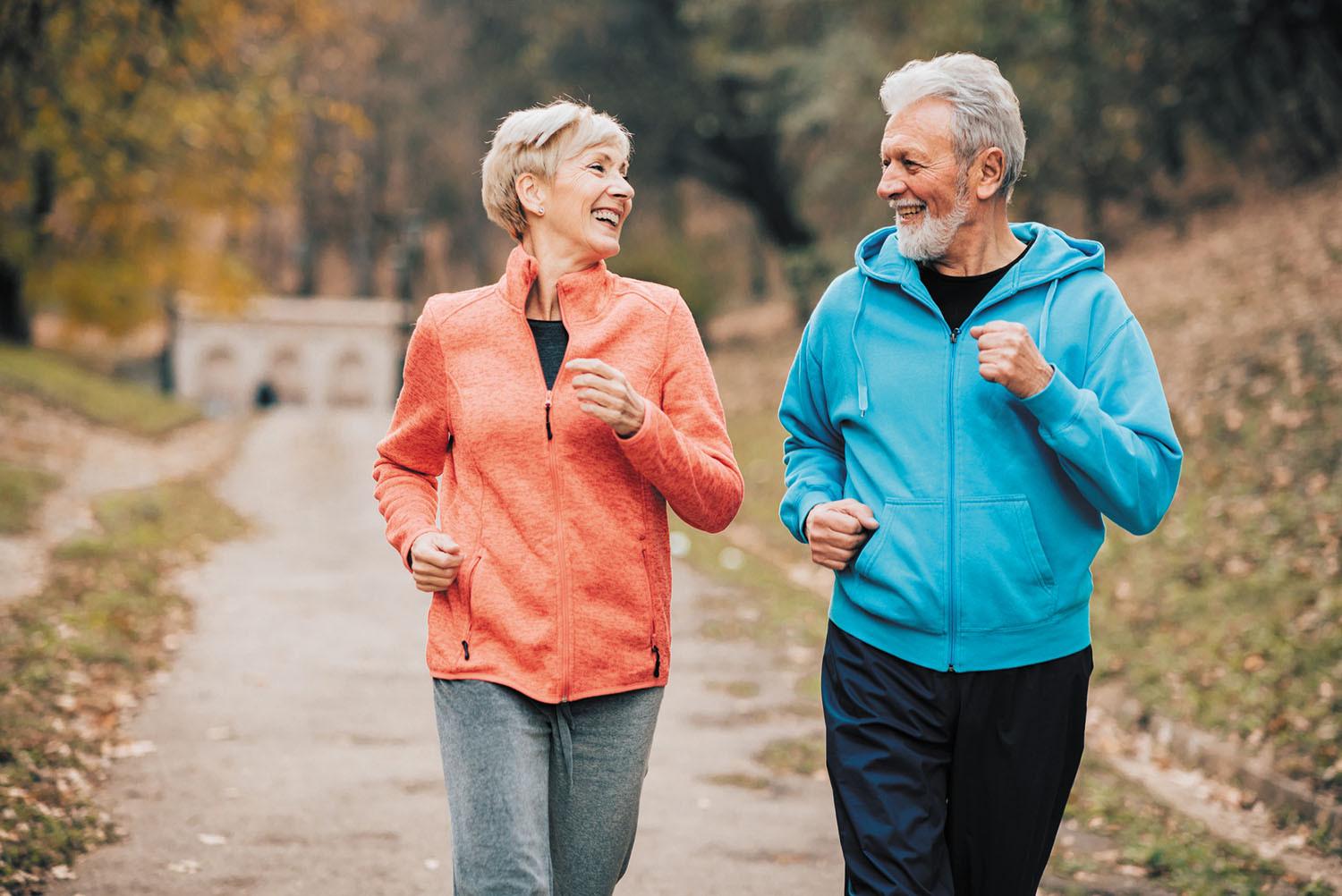

Exercise matters to health and well-being, regardless of your size
Regardless of your size or fitness level, exercise has multiple benefits. Almost anything that gets you moving counts, and some activity is always better than none. These suggestions can help you make exercise work for you.

We’re supposed to make resolutions now?
After everything that has happened in 2020, making New Year’s resolutions might be too much to expect of many. Setting goals for the coming year seems like too much to ask right now. Is it okay to just give yourself a break this year? Or is there another way of looking at the whole situation?

Harvard study: Unapproved drugs in brain-boosting supplements

Understanding intimate partner violence
The pandemic may be making life harder for those in abusive relationships, but help is available.
A woman experiencing abuse at the hands of an intimate partner often feels isolated and alone. But the truth is, she has a lot of company. As many as one in three women in the United States has experienced intimate partner violence (IPV), which is violence involving a current or former spouse, partner, significant other, boyfriend or girlfriend, says Eve M. Valera, an associate professor in psychiatry at Harvard Medical School. This number includes women from all different ages and backgrounds.
Those who experience IPV may be left with lingering health effects, including mental health disorders such as anxiety, depression, or post-traumatic stress disorder. IPV is also linked to a number of physical symptoms and conditions, according to the federal Office on Women's Health, such as digestive problems, migraine headaches, arthritis, asthma, chronic pain, sexual problems, and heart problems. Another area of growing concern for many researchers is the potential for cognitive changes caused by traumatic brain injuries linked to abuse, says Valera.

Boost vitality by engaging your brain
Continuing work and satisfaction in life can help older adults preserve their cognitive health.
Declining brain health is perhaps the greatest fear of older adults. The good news is that you can take steps to maintain your thinking and memory for many years to come.
A healthy diet, regular aerobic exercise, and proper sleep are essential to keep your brain healthy. But work engagement and life satisfaction are two additional factors that confer mind benefits.
CoQ10: Should you take this popular supplement if you're on a statin?
Microplastics: A hidden health threat?
Oat vs. dairy milk: Nutrition, benefits, and downsides
What is tempeh? Benefits, nutrition, and how to use it
Healing after food poisoning
Children of centenarians may stay healthier and live longer too, study finds
Light exposure at night may raise risk for heart disease
Whole grains may improve several heart risk factors at once
A lumbar belt may help ease low back pain
Signs of pneumonia: Sometimes vague and unexpected
Free Healthbeat Signup
Get the latest in health news delivered to your inbox!
Sign Up
