

CoQ10: Should you take this popular supplement if you're on a statin?

Oat vs. dairy milk: Nutrition, benefits, and downsides

Microplastics: A hidden health threat?

Healing after food poisoning

What is tempeh? Benefits, nutrition, and how to use it

Light exposure at night may raise risk for heart disease

Whole grains may improve several heart risk factors at once

A lumbar belt may help ease low back pain

Children of centenarians may stay healthier and live longer too, study finds

Signs of pneumonia: Sometimes vague and unexpected
Positive Psychology Archive
Articles

Expectant mothers can rest easier about taking antidepressants
A 2022 study found that antidepressant use during pregnancy is not associated with problems in children's future brain health or behavior patterns. The medications were not linked to conditions such as autism, ADHD, or problems in speech, language, learning, and coordination.

Prolonged stress may increase the risk of death from cancer
People exposed to long-term stress have a higher risk of dying from cancer, according to a 2022 study. The connection may be related to high levels of the stress hormone cortisol.

Reviewing your wellness portfolio
As with a financial portfolio, older adults should routinely review their wellness portfolio to ensure their health investments meet their short-and long-term goals. Working with their doctor, personal trainer, and nutritionist, they can identify areas that require changes and implement new strategies. Older men often don't make investments in strength training, balance, and their mental health, but should.

Eating disorders in midlife
By age 40, one in five women has dealt with an eating disorder, twice the proportion of women known to be affected by age 21. Risks for anorexia, bulimia, and binge eating can rise at midlife due to job stressors, an empty nest, and dating again after divorce or widowhood. Health effects can include bone loss, heart problems, lung conditions, gastrointestinal issues, diabetes, and skin breakdown. Signs of an eating disorder include dramatic weight fluctuations, excessive exercising, and preoccupation with weight, calories, and body size and shape.
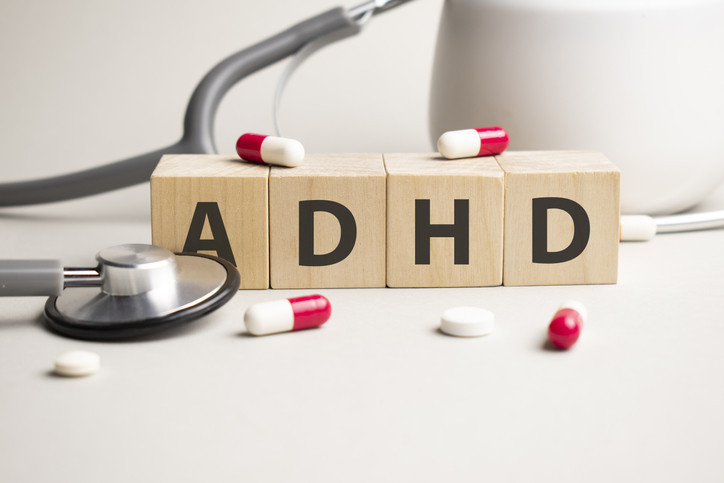
Attention deficit disorder linked to higher heart disease risk
People with attention-deficit hyperactivity disorder, a condition marked by trouble focusing and impulsive behavior, may be more likely to have cardiovascular disease that people without the disorder.

What is an annual wellness visit?
The routine yearly medical check-up is now more often referred to as the annual wellness visit, which allows people to formulate detailed health goals with their doctor and design plans to meet them, as well as assess the possibility of life-changing events, like heart attack, stroke, and cancer.

Walking linked to lower dementia risk
A 2022 study of 78,000 healthy people (ages 40 to 79) who wore fitness trackers found that people who walked about 9,800 steps per day (about five miles) were 51% less likely to develop dementia, compared with people who didn't walk much at all.

Cold-weather cautions
Wintertime can pose challenges to cardiovascular health. Cold temperatures can cause arteries to narrow, which can leave people with heart disease vulnerable to angina or heart attacks, especially during physical exertion. Changes in sleep, eating, and exercise habits related to the season may also affect the heart. Crowded indoor gatherings also raise a person's risk for respiratory infections, which can exacerbate heart disease.

The heartfelt benefits of pet ownership
Having a dog or another pet appears to lower the risk of high blood pressure and improve blood pressure control. Pet ownership may foster positive feelings (such as decreased stress) and habits (such as daily walks) that may improve heart health. People who own dogs walk about 20 minutes more per day on average than those without dogs. Pets can help combat loneliness and social isolation, which have been linked to a higher risk of heart attack, stroke, or death from these causes.

Have you done your crossword puzzle today?
A study found that people with mild cognitive impairment who did crossword puzzles regularly showed modest improvement in cognition and less brain shrinkage. Will doing crossword puzzles be helpful to people whose thinking and memory are normal?
CoQ10: Should you take this popular supplement if you're on a statin?
Oat vs. dairy milk: Nutrition, benefits, and downsides
Microplastics: A hidden health threat?
Healing after food poisoning
What is tempeh? Benefits, nutrition, and how to use it
Light exposure at night may raise risk for heart disease
Whole grains may improve several heart risk factors at once
A lumbar belt may help ease low back pain
Children of centenarians may stay healthier and live longer too, study finds
Signs of pneumonia: Sometimes vague and unexpected
Free Healthbeat Signup
Get the latest in health news delivered to your inbox!
Sign Up
