Driving with arthritis pain: Stay comfortable — and safe — behind the wheel
Daily cup of coffee may prevent afib recurrence

Gene-editing therapy lowers harmful blood fats in early study

What is EMDR therapy, and who can it help?
GLP-1 drugs versus bariatric surgery for treating obesity
Two dumbbells, three exercises, and 10 minutes

Easing the emotional burden of IBS
Modify your push-ups to meet your fitness level
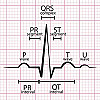
What is long QT syndrome?

Stroke survivors may benefit from very low LDL levels
Physical Activity Archive
Articles

Less sitting, more vigorous exercise can help lower blood pressure
A 2024 study suggests that reallocating as little as five minutes per day from time spent sitting, standing, or walking to vigorous exercise may help lower blood pressure. Switching out a bigger block of sedentary time for exercise may offer even greater benefit.

Cold comfort
Exercising outdoors in winter can offer different health benefits from summer. Cold weather may improve endurance, and the lower temperatures may help transform some white fat, including belly fat, into calorie-burning brown fat. Winter is also an opportunity to take up seasonal sports and activities like fat biking, cross-country skiing, and running or hiking new trails. For safety, exercisers should bundle up, protect their extremities, use sunscreen, and drink enough water.

3 stretches to relieve knee pain
Muscles that support the knee—primarily in the legs and hips—need a certain amount of elasticity to work properly. That "give" allows the joints to move through their range of motion easily. If the muscles are tight, they might cause chronic knee pain. Stretching leg muscles can improve flexibility and reduce knee discomfort. Experts recommend doing dynamic stretching before workouts and static stretching afterward. One should consult a doctor if pain persists after a few weeks.

To lower blood pressure, even five minutes of exercise helps
According to a 2024 study, people who engage in exercise (such as running or cycling) instead of less active behavior (such as sitting, standing, or slow walking) for just five minutes per day may slightly lower their blood pressure.


Is it too late to save your posture?
It's usually not too late to improve posture, even with rounded shoulders or healed compression fractures. The key is strengthening and stretching the upper back, chest, and core muscles. Shoulder strengtheners include scapula squeezes and rows. Core strengtheners include modified planks or simply tightening the abdominal muscles, pulling the navel in toward the spine. It's also important to cut down on activities that have led to poor posture, such as sitting slouched for long periods in front of a computer or TV.


Take time to stretch
Many people don't bother with regular stretching, but it takes little time and offers big benefits. Stretching can help reduce the risk of injuries, improve mobility to protect against falls, and increase flexibility, which studies have linked with greater longevity. The key to stretching is consistency and committing to an ongoing routine. People should do two types of stretching: dynamic for warming up muscles and joints, and static for recovery after being active.

Create a customized home workout space
Having a home workout area can make it easier to meet daily exercise goals, especially during the winter months, when weather conditions may make outdoor exercise impractical. If space allows, people may want a treadmill or other machine that's suitable for any health issues they may have. For example, people with hip or knee arthritis often find that a stationary bike is more comfortable for arthritic joints. For strength training, resistance bands or tubes are ideal for beginners because they're affordable, versatile, and easy to use. Scheduling a few sessions with either a physical therapist or certified personal trainer can help people learn and practice proper form.

Weekend warriors can still reap major health benefits
A 2024 study indicates that concentrated, "weekend warrior" exercise is just as effective at protecting against many health conditions as spreading exercise throughout the week.
Driving with arthritis pain: Stay comfortable — and safe — behind the wheel
Daily cup of coffee may prevent afib recurrence
Gene-editing therapy lowers harmful blood fats in early study
What is EMDR therapy, and who can it help?
GLP-1 drugs versus bariatric surgery for treating obesity
Two dumbbells, three exercises, and 10 minutes
Easing the emotional burden of IBS
Modify your push-ups to meet your fitness level
What is long QT syndrome?
Stroke survivors may benefit from very low LDL levels
Free Healthbeat Signup
Get the latest in health news delivered to your inbox!
Sign Up