Driving with arthritis pain: Stay comfortable — and safe — behind the wheel
Daily cup of coffee may prevent afib recurrence

Gene-editing therapy lowers harmful blood fats in early study

What is EMDR therapy, and who can it help?
GLP-1 drugs versus bariatric surgery for treating obesity
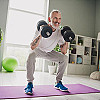
Two dumbbells, three exercises, and 10 minutes
Easing the emotional burden of IBS
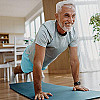
Modify your push-ups to meet your fitness level
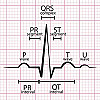
What is long QT syndrome?

Stroke survivors may benefit from very low LDL levels
Physical Activity Archive
Articles

Even a “weekend warrior” exercise pattern can lower heart risks
A 2025 study suggests that squeezing a week’s worth of exercise (150 minutes) into just one or two days — a “weekend warrior” pattern — is linked to the same heart benefits as daily exercise.

Try this: Laughter yoga is nothing to joke about
Laughter yoga blends traditional yoga movements with laughter therapy to offer a playful approach to stress management. The group sessions consist of physical exercises and stretches, relaxation and breathing techniques, and forced smiling and vigorous laughter.

Weight training may protect the brain from cognitive decline
A small 2025 study found that older adults who did six months of weight training improved their ability to recall recent events and information. They also had had less brain shrinkage in regions affected by Alzheimer’s disease, compared with people who did not do the training.

What are the benefits of walking with a weighted vest?
Walking while wearing a weighted vest or backpack can help build muscle strength and bone density, improve the heart’s pumping ability, expand lung capacity, and burn additional calories. People with neck or back pain should not wear a weighted vest.
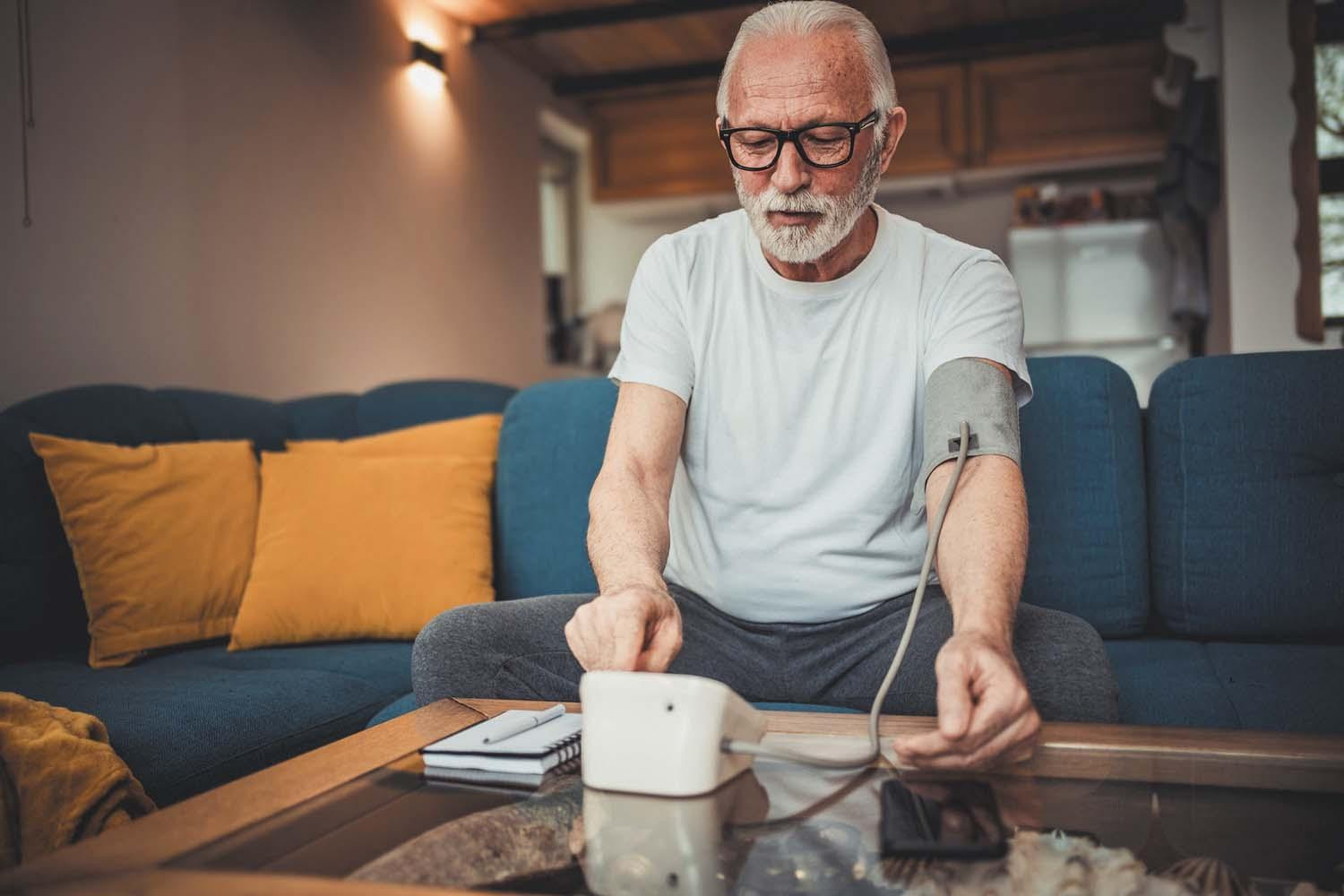
Take back your blood pressure control!
When blood pressure remains high despite treatment, making certain lifestyle changes can help. Examples include reducing dietary sodium and increasing dietary potassium, losing weight, limiting alcohol intake to no more than one drink per day, exercising (doing aerobics and strength training), using tools that improve medication adherence (such as an automatic pill dispenser, a medication diary, a smartphone alarm, or a reminder app), quitting smoking, getting more sleep, managing stress, and reducing caffeine intake.

Morning blue light therapy may offer many benefits for older adults
Daily morning exposure to blue-enriched light can improve sleep quality and increase activity levels in older adults, according to a 2025 study. Researchers believe morning blue light "wakes up" the brain, which increases alertness and synchronizes the sleep-wake cycle.

Stand up for your heart
A 2025 study found that people who are sedentary for 10.6 hours per day or more may face a higher risk of heart failure or dying from heart disease—even if they follow recommended exercise guidelines. Uninterrupted sitting has harmful effects on metabolism, leading the body to burn fewer calories and less fat. It can also cause blood sugar levels to rise, triggering the release of insulin, the hormone that regulates blood sugar. Over time, sedentary habits cause the body to become less sensitive to insulin. The resulting insulin resistance promotes inflammation, a key player in the buildup of fatty plaque inside arteries.

Water aerobics tied to weight loss and a smaller waist
A 2025 review of 10 randomized controlled trials (involving about 300 people) found that those who took part in two or three one-hour water aerobics classes weekly for at least 10 weeks lost up to 6 pounds and trimmed their waists by about an inch.

Get a lift from resistance training
National guidelines recommend at least two sessions of muscle-strengthening resistance training each week. Resistance training, also known as strength training, consists of upper- and lower-body exercises using free weights, weight machines, resistance bands, or one’s own body weight. Resistance training offers an array of benefits, including increased muscle strength, improved heart health, stronger bones, better mobility, and greater brain function.

Cold plunges: Healthy or harmful for your heart?
The purported health benefits of cold plunges include less stress, better sleep, and enhanced immunity, but the evidence is thin. While the practice may ease muscle soreness after intense exercise, it may have detrimental effects on gains in muscle power and strength. Because the shock of cold water on the skin can raise heart rate and blood pressure, people with cardiovascular disease (especially heart rhythm abnormalities) should avoid the practice.
Driving with arthritis pain: Stay comfortable — and safe — behind the wheel
Daily cup of coffee may prevent afib recurrence
Gene-editing therapy lowers harmful blood fats in early study
What is EMDR therapy, and who can it help?
GLP-1 drugs versus bariatric surgery for treating obesity
Two dumbbells, three exercises, and 10 minutes
Easing the emotional burden of IBS
Modify your push-ups to meet your fitness level
What is long QT syndrome?
Stroke survivors may benefit from very low LDL levels
Free Healthbeat Signup
Get the latest in health news delivered to your inbox!
Sign Up