Driving with arthritis pain: Stay comfortable — and safe — behind the wheel

Daily cup of coffee may prevent afib recurrence

Gene-editing therapy lowers harmful blood fats in early study

What is EMDR therapy, and who can it help?
GLP-1 drugs versus bariatric surgery for treating obesity

Two dumbbells, three exercises, and 10 minutes

Easing the emotional burden of IBS
Modify your push-ups to meet your fitness level
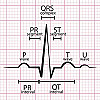
What is long QT syndrome?

Stroke survivors may benefit from very low LDL levels
Physical Activity Archive
Articles
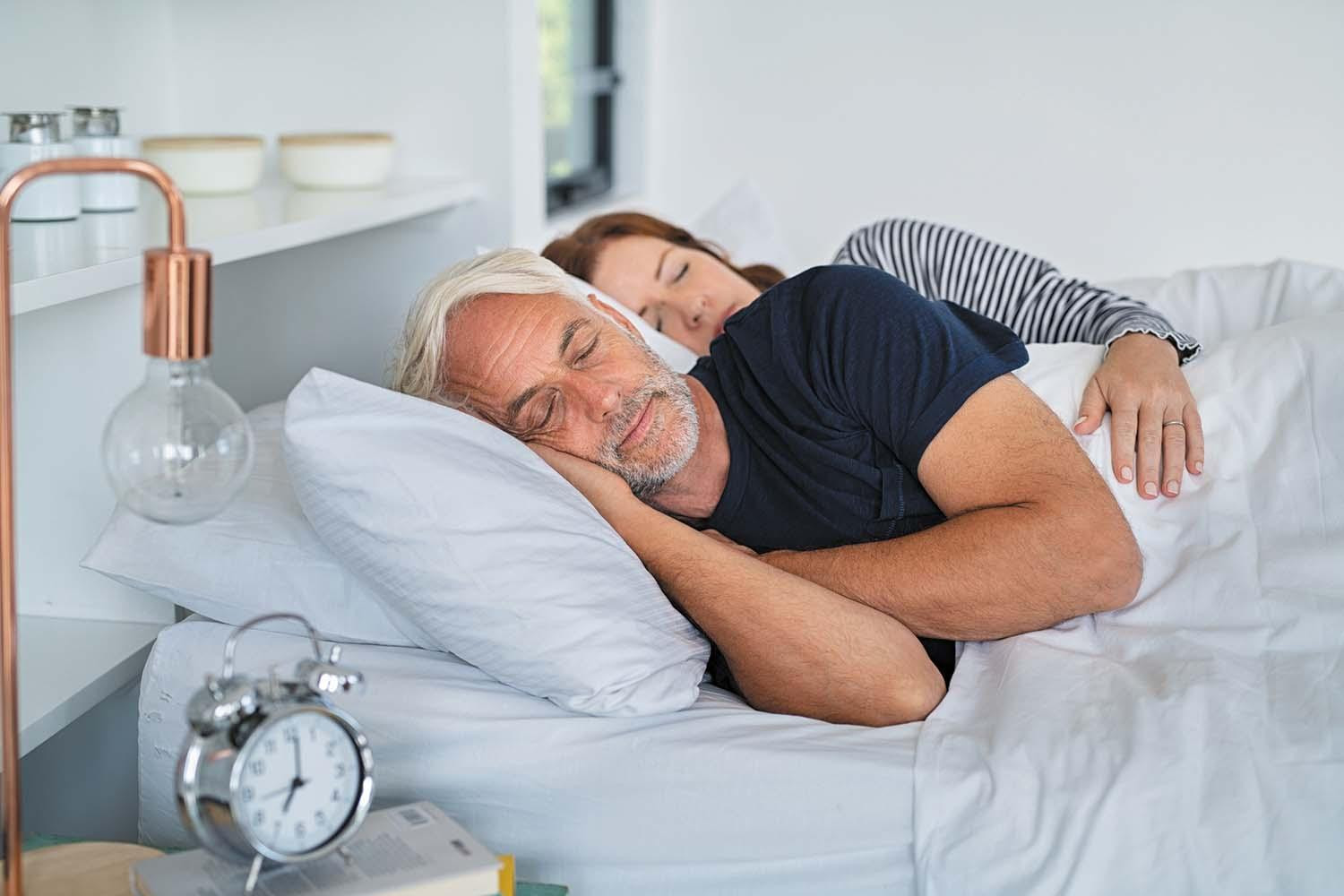
How the body’s internal clocks influence heart health
Circadian rhythms, which are hardwired into nearly every cell of the body, regulate the heart and blood vessels. Disruptions to this rhythm—from shift work, poor sleep, or unhealthy habits—can raise the risk of cardiovascular disease. For example, heart attacks are more likely to occur on Mondays than any other day of the week. That’s because people tend to stay up later than usual and then sleep in the next day. On Monday morning, when they have to wake up early again for work, the change may cause subtle changes in blood pressure, hormone secretion, and metabolism that raise heart attack risk.

The many benefits of the “dead bug”
Older adults need a strong core to stay active and healthy. While the core comprises many muscles, the four main ones lie within the abdomen: the rectus abdominis in the front; the external and internal obliques on the sides; and the deep, flat transversus abdominis wrapping your midsection. Several core exercises work many of these muscles, but the dead bug exercise can engage all of them and is safe for older adults, as it can be modified for any age or limitations. The dead bug is done by lying on the back and moving the limbs up and down to imitate a dying insect.
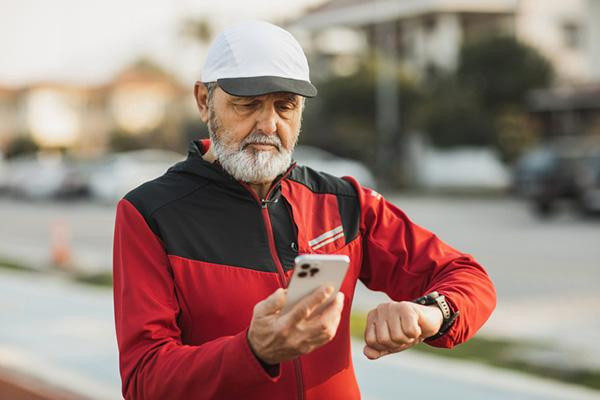
Fitness apps may provide long-term motivation to stay active
A 2025 study found that many people who use a fitness app to track their daily steps were able to maintain or increase their numbers over two years, suggesting the devices may have a long-term effect on motivation.

How to return to fitness after total knee replacement
Complete recovery from total knee replacement surgery can take six to 12 months. Working with a physical therapist to regain strength and mobility, most people can return to normal daily function within three months. It’s important to remain active once physical therapy concludes. Lower-impact activities, such as walking, hiking, biking, swimming, golfing, strength training, and aerobic activities, are recommended. High-impact activities, such as running, may shorten the life span of the implant.
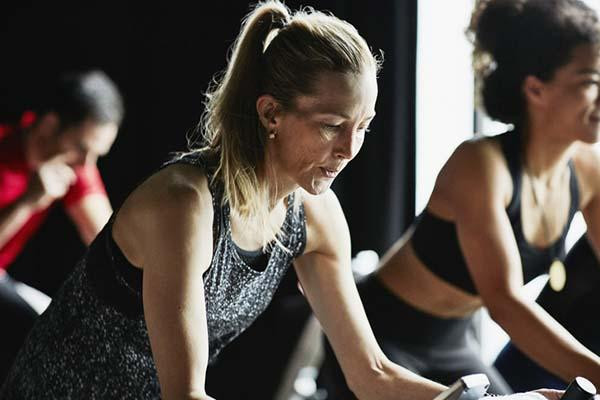
Exercise may inhibit breast cancer growth
A 2025 study suggests that even a single session of resistance training or high-intensity interval training increases levels of certain proteins that can inhibit breast cancer cell growth, potentially contributing to a lower risk of recurrence.
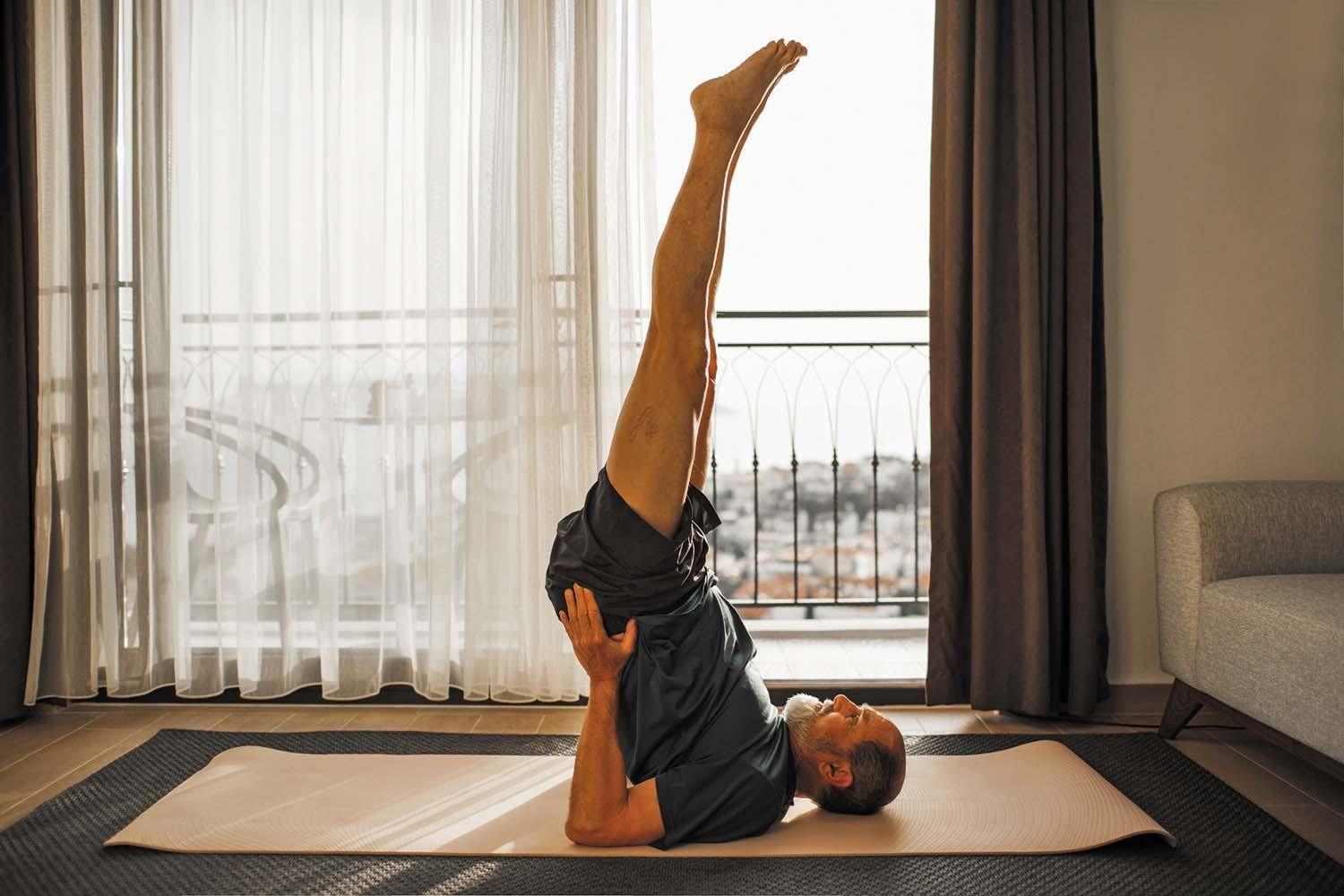
Yoga, tai chi, walking, and running may help with insomnia
Research suggests that exercise is beneficial in managing insomnia, but current guidelines don’t specify which types may be most effective. A 2025 study found that yoga, tai chi, walking, and running were associated with reduced symptoms of insomnia.
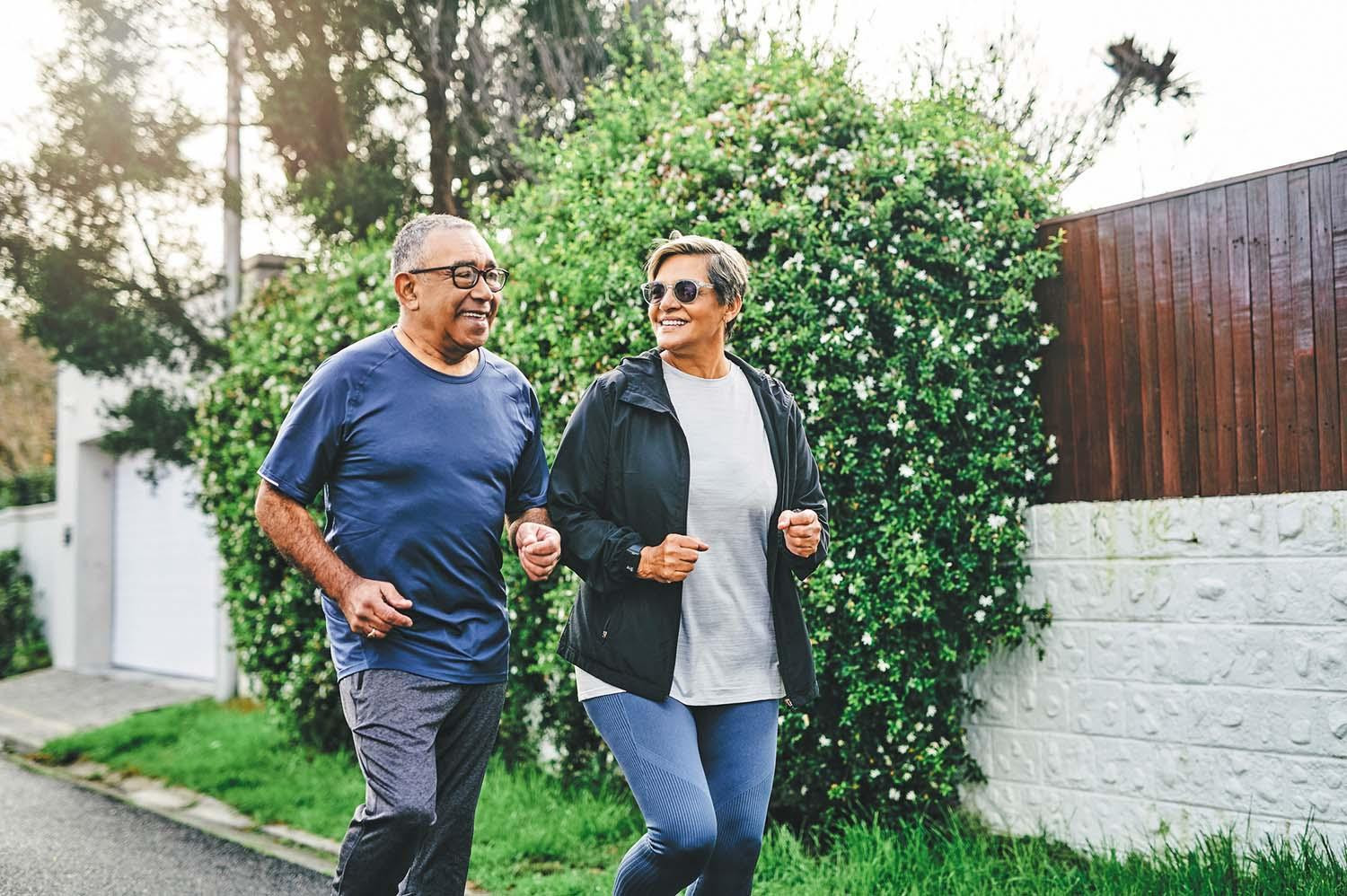
Just 7,000 daily steps reduces heart disease risk
A 2025 review found the people who walked 7,000 steps per day had a 25% lower of cardiovascular disease and a 47% lower risk of death from all causes compared to people who walked only 2,000 steps per day.
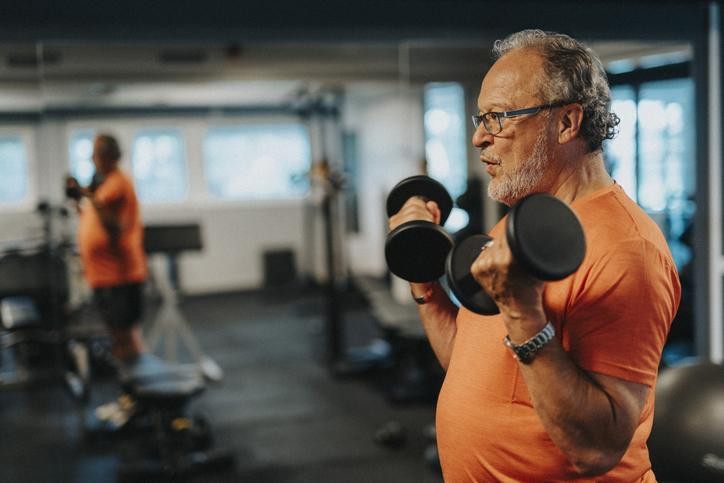
Exercising 150 minutes per week could help reverse prediabetes
People with prediabetes may be able to reduce their risk of developing type 2 diabetes with 150 minutes of moderate-intensity exercise per week, says a 2025 study. Exercise can help lower blood sugar and excess weight, the main risk factors for progression of prediabetes to type 2 diabetes.
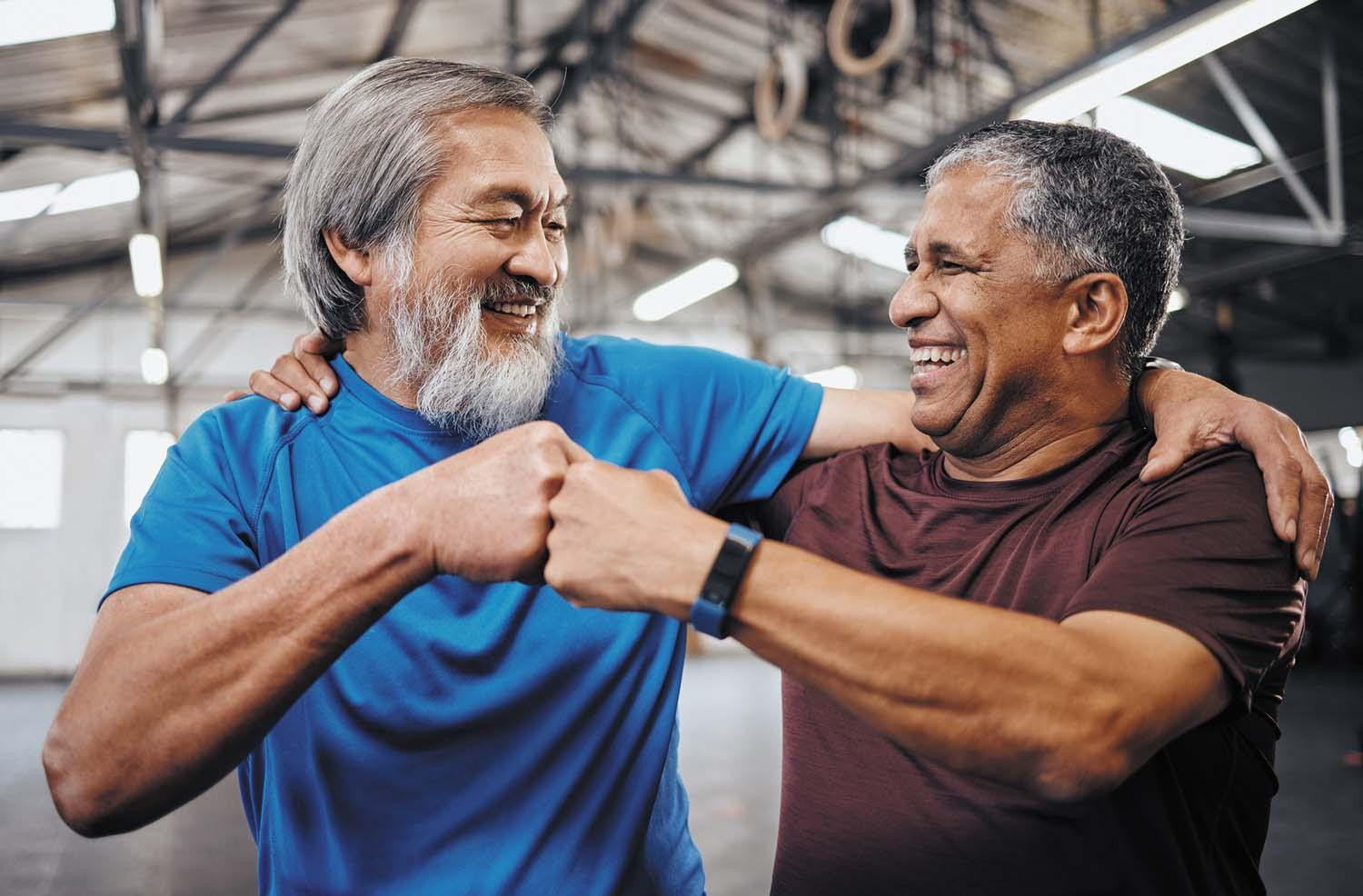
What can you do to maintain exercise motivation?
Approximately 50% of people who begin an exercise program quit within the first six months, according to some estimates. Declining motivation is usually the main reason, but there are ways that people can approach their fitness to help them stay focused and committed. These include recognizing the value of staying healthy, enlisting a workout buddy, adopting specific exercises to reach individual goals, matching workouts to their personality, and finding inspirational figures.
A brief fitness test may predict how long you’ll live
In a 2025 study, middle-aged and older people who could do the sit-to-rise test without support were less likely to die (especially of cardiovascular disease) within the following decade. The test is a good way to assess strength, flexibility, and balance—all of which are all vital for helping people to stay active and functioning well as they grow older.
Driving with arthritis pain: Stay comfortable — and safe — behind the wheel
Daily cup of coffee may prevent afib recurrence
Gene-editing therapy lowers harmful blood fats in early study
What is EMDR therapy, and who can it help?
GLP-1 drugs versus bariatric surgery for treating obesity
Two dumbbells, three exercises, and 10 minutes
Easing the emotional burden of IBS
Modify your push-ups to meet your fitness level
What is long QT syndrome?
Stroke survivors may benefit from very low LDL levels
Free Healthbeat Signup
Get the latest in health news delivered to your inbox!
Sign Up