

Fatty liver disease: Should you be tested?

Even a little exercise linked with lower stroke risk in people with afib

Testosterone therapy without evidence of deficiency may boost heart risk

Weight-loss drug may lower risk of heart attacks and infections

Migraine: How it's diagnosed and what that means

Tricep workouts you can do at home

Mindfulness practices to reduce stress and improve focus

Antihistamines may not offer meaningful relief from eczema symptoms

Overweight and taking blood pressure medications: Study finds it's a trend that's working

FDA approves first mRNA-based flu vaccine
Pediatric health Archive
Articles

HPV vaccine: A vaccine that works, and one all children should get
Human papilloma virus (HPV) causes about 40,000 cases of cancer every year. A long-term study of the HPV vaccine finds it offers protection against many strains of the virus, yet many teens haven’t had this safe, effective vaccine.

DNA testing forever changed donor conception
DNA testing kits can upend identity and spark a multitude of questions for some children conceived with donor sperm and parents who hadn’t shared origin stories.

Children and gun safety: What to know and do
Regardless of individual feelings about guns and gun ownership, everyone wants their children to be safe. Simple safety steps can prevent accidents involving children and guns.

Infant car seats are for cars only (how not to use an infant car seat)
If you use an infant car seat that detaches from the base, it may be convenient to leave your baby in it even when not in a car, but the American Academy of Pediatrics warns people that these seats should be used only for travel in a vehicle.

What do the measles outbreaks mean for me?
Ask the doctor
Q. I hear that there are outbreaks of measles in the United States. I think I had measles when I was young, but I'm not sure. Do I need to worry?
A. The measles virus has been infecting humans for at least 1,000 years. When I was very young, in the 1940s, I got the measles. So did nearly every kid I knew; it is very contagious. I had a high fever, sneezing, coughing, very red eyes, and then a rash on my face and all over my body. Fortunately, I didn't develop the severe complications of measles: pneumonia (which affects one in 20 people with measles) or encephalitis (which affects one in 1,000 and can be fatal). Still, I was miserable for more than a week.

Pill-free treatment for urinary incontinence
News briefs
Here's some relief for people with urinary incontinence who don't want to take pills to treat the problem: behavioral therapy (bladder training) works better for urinary incontinence than medication, according to a study published online March 18, 2019, by Annals of Internal Medicine. Researchers reviewed 84 randomized trials of women (average age 55). The studies evaluated 14 categories of incontinence treatments, including pill-free therapy and medications such as anticholinergic drugs — for example, oxybutynin (Ditropan). Most of the strategies (except taking hormones or getting injections of a bulking agent near the urethra) were more effective than doing nothing to treat incontinence. But for both stress incontinence (the kind that makes you leak when you laugh) and urge incontinence (the kind that makes you rush to the bathroom), behavioral therapy was the most effective treatment, beating medications and neuromodulation (electrical stimulation of the nerves that control the bladder). The catch: it takes practice to make behavioral therapy effective. But it may be worth the effort, since medications for incontinence often have side effects.

Rehiring your business mind
The three Ms — mindfulness, meditation, and mantras — sharpen work-related soft skills and improve your memory.
Think back to how your mind operated during your work career. Your mental skills were divided into two types: hard and soft. Hard skills related to the technical knowledge you needed to perform a specific job. Soft skills consisted of everyday thinking, like making decisions, being a good listener, and having a positive attitude.
You might not need hard skills as much now, but maintaining soft skills will always be valuable.

A 20-minute nature break relieves stress
In the journals
Spending just 20 minutes connecting with nature can help lower stress hormone levels, according to a study in the April 4, 2019, Frontiers in Psychology. Previous research has shown that interacting with nature reduces stress, but it is not clear how long and how often the engagement needs to be, or even what kind of nature experience is best.
Here, researchers asked 36 people to spend 10 minutes or longer, three days a week for eight weeks, in an outdoor place where they could interact with nature. The settings varied from yards to public parks to green areas near their place of work. They also either walked or sat during their nature time.

Regular exercise adds up to big memory boosts
In the journals
It's well known that regular exercise helps maintain brain function. New research finds that brain activity increases and memory improves immediately after even a short, single bout of exercise.
And the more exertion you put into that exercise, the greater the improvements. In addition, whatever level of exertion you're able to achieve on that single exercise predicts how much brain boost you'll get if you continue to exercise at the same intensity over a longer term. These findings were presented at the Cognitive Neuroscience Society's annual meeting on March 24, 2019. Researchers recruited 34 people, average age 67, and gave each a baseline functional MRI (fMRI) scan, which reflects brain activity, and a memory test in which they had to remember faces. The researchers then asked the participants to exercise for 20 minutes on a stationary bike that could measure their physical effort.
An underused option for severe depression
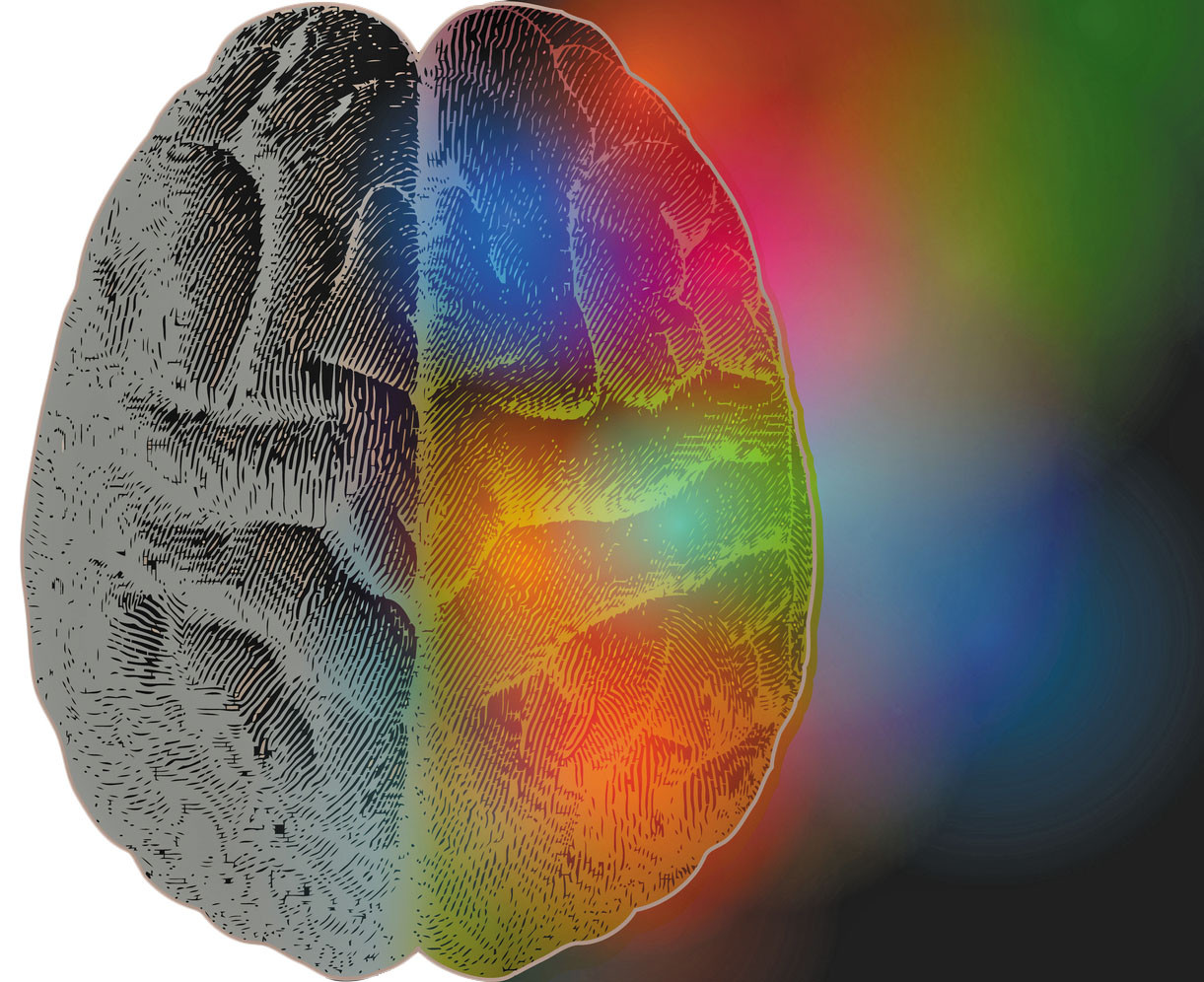
A new study supports the use of noninvasive brain stimulation in people with severe depression who haven't responded to medication.
If medication isn't helping to ease severe depression, nonsurgical brain stimulation may be an effective alternative to consider, according to a study published online March 27 by The BMJ. Specifically, the study found that evidence seems to back the use of repetitive transcranial magnetic stimulation (rTMS) and electroconvulsive therapy (ECT) over other, newer brain stimulation therapies.
"Many psychiatrists are unaware of these techniques, or at least don't think to recommend them for their patients," says Dr. Daniel Press, associate professor of neurology at Harvard Medical School and the clinical director for the Berenson-Allen Center for Noninvasive Brain Stimulation at Beth Israel Deaconess Medical Center. "So, studies like this are helpful in raising the banner and reminding people that these are very effective options for a large percentage of people."
Fatty liver disease: Should you be tested?
Even a little exercise linked with lower stroke risk in people with afib
Testosterone therapy without evidence of deficiency may boost heart risk
Weight-loss drug may lower risk of heart attacks and infections
Migraine: How it's diagnosed and what that means
Tricep workouts you can do at home
Mindfulness practices to reduce stress and improve focus
Antihistamines may not offer meaningful relief from eczema symptoms
Overweight and taking blood pressure medications: Study finds it's a trend that's working
FDA approves first mRNA-based flu vaccine
Free Healthbeat Signup
Get the latest in health news delivered to your inbox!
Sign Up
