

Fatty liver disease: Should you be tested?

Even a little exercise linked with lower stroke risk in people with afib

Testosterone therapy without evidence of deficiency may boost heart risk

Weight-loss drug may lower risk of heart attacks and infections

Migraine: How it's diagnosed and what that means

Tricep workouts you can do at home

Mindfulness practices to reduce stress and improve focus

Antihistamines may not offer meaningful relief from eczema symptoms

Overweight and taking blood pressure medications: Study finds it's a trend that's working

FDA approves first mRNA-based flu vaccine
Pediatric health Archive
Articles

Medications for depression: Which is best?
There are many medications that can be used to treat mood disorders. But finding the right one can be a lengthy process, and the choice can be more complicated than you might imagine. Just because a particular drug worked for a friend doesn't mean it will work for you. Psychiatrists and doctors who prescribe antidepressants choose a particular drug and dosage based on many factors, including the following:
- Diagnosis. Certain drugs are a better choice for specific symptoms and types of depression. For example, an antidepressant that makes you sleepy may be better when insomnia is an issue. The severity of your illness or the presence of anxiety, obsessions, or compulsions may also dictate the choice of one drug over another.
- Side effects. You may first want to choose a drug based on which side effect you most want to avoid. Medications vary in the likelihood they will cause such problems as sexual effects, weight gain, or sedation.
- Age. As you age, your body tends to break down drugs more slowly. Thus, older people may need a lower dose. For children, only a few medications have been studied carefully.
- Health. If you have certain health problems, it's best to avoid certain drugs. For example, your doctor will want to consider factors such as heart disease or neurological illnesses when recommending a drug. For this reason, it's important to discuss medical problems with a primary care doctor or psychiatrist before starting an antidepressant.
- Medications, supplements, and diet. When combined with certain drugs or substances, antidepressants may not work as well, or they may have worrisome or dangerous side effects. For example, combining an SSRI or another antidepressant with the herbal remedy St. John's wort can boost serotonin to dangerous and, in rare cases, fatal levels. Mixing St. John's wort with other drugs—including certain drugs to control HIV infection, cancer medications, and birth control pills—might lower their effectiveness. Women receiving tamoxifen for breast cancer should take an antidepressant that does not interfere with tamoxifen's effectiveness. Eating certain foods, such as aged cheeses and cured meats, while taking an MAOI can cause a dangerous rise in blood pressure.
- Alcohol or drugs. Alcohol and other substances can cause depression and make antidepressants less effective. Doctors often treat alcohol or drug addiction first if they believe either is causing the depression. In many instances, simultaneous treatment for addiction and depression is warranted.
- Personal and family mental health and medication history. If you or a member of your family has had a good response to a medication in the past, that information may guide your choice. Depending on the nature and course of your depression (for example, if your depression is long-lasting or difficult to treat), you may need a higher dose or a combination of drugs. This may also be true if an antidepressant has stopped working for you, which may occur after you've used it for some time or after you've stopped and restarted treatment with it.
- Cost. Since all antidepressants are roughly equivalent in their effectiveness, you won't lose anything by trying a generic version first.
- Your preference. Once you have learned as much as you can about the treatment options, your doctor will want to know what approach makes most sense given your lifestyle, your interests, and your judgment.
To learn more strategies for battling depression, check out Understanding Depression, a Special Health Report from Harvard Medical School.

Too old for the pediatrician? Time to switch doctors
Wondering how a teen or young adult can smoothly smoothly transition from seeing a pediatrician to a medical practice that treats adults? Making plans and taking these steps will help.

The thinking on brain games
Many older adults enjoy "brain games" like crosswords, chess, and computer games. But can they help improve memory?
If you are like many adults, you enjoy a good crossword, a weekly card game, or even the latest addictive phone app game. You probably even relish the mental boost they provide.
But do these types of brain games help with brain health, especially for protecting against memory loss? Well, it's complicated.

Study links certain medications to a higher risk of dementia
But some experts say limitations of the study raise questions about the results.
Could one of your regular pills raise your risk of dementia? A study published online June 24 by JAMA Internal Medicine found that people over age 55 who took a daily dose of certain common drugs for approximately three years had a 50% higher risk of developing dementia.
The medicines in question are in a category known as anticholinergics, which are used to treat conditions as diverse as depression, urinary incontinence, allergies, and Parkinson's disease. The study's authors say the findings should prompt doctors to use caution or potentially even avoid prescribing certain medications to people over age 45 on a long-term basis if there are other options available.

Difficult relationships linked to bone loss
Research we're watching
Can emotional stress harm your bones? A new study found an association between stressful social relationships and bone problems in women. The study, which was published online July 9 by the Journal of Epidemiology & Community Health, found that women who reported high levels of social stress had lower bone density six years later. The study looked at more than 11,000 postmenopausal women. At the time of enrollment, the women filled out a questionnaire that asked them to rate their social stress levels and had their bone density measured both at enrollment and six years later at a follow-up appointment. Women who had reported high levels of stress at the initial interview showed a bigger decline in bone density at the follow-up compared with women who'd initially reported lower stress levels. This was true even after the researchers adjusted for other factors that may affect bone health, such as age, weight, smoking, alcohol use, and education, among others. The authors speculated that stress may harm bone health because stress leads to higher blood cortisol levels, a well-established reason for lower bone density. Further study is needed to understand and confirm the results.
Image: moodboard/Getty Images

Are there any new vaccines?
Ask the doctor
Q. Fancy new technologies keep appearing in medicine. Are there any innovative new kinds of vaccines?
A. There sure are. Vaccines are one of the greatest inventions in history. The smallpox vaccine campaign conducted by the World Health Organization eradicated the disease from the face of the earth by 1980. How much good did that do? From 1900 to 1980, 300 million people died from smallpox. Since 1980, not one death.

Different types of heart murmurs
Ask the doctor
Q. My 2-year-old grandson has a heart murmur. His pediatrician says it's likely nothing serious and will probably disappear when he's older. What causes heart murmurs in children? Are they different than those found in adults?
A. A heart murmur refers to a noise heard through a stethoscope that occurs between the heart's regular beats. Often described as a whooshing sound, murmurs are caused by turbulent blood flow. They can be separated into two categories: functional (also called innocent or benign murmurs) and structural (also known as pathologic murmurs).

Did you get your flu shot yet?
A nasty bout of influenza may leave you more vulnerable to heart problems. Be sure to get vaccinated against this serious infection every year — ideally in September.
Of all the things you can do to help your heart, getting a flu vaccine may be one of easiest. This recommended ritual — which the CDC advises for everyone starting at the age of 6 months — is quick and nearly painless. Yet only about half of adults ages 50 and older get a flu shot.
Avoiding the flu is especially important for people who have or are at risk for heart disease, says cardiologist Dr. Scott Solomon, professor of medicine at Harvard Medical School. "There's growing evidence linking influenza with both heart attacks and heart failure," he says.

Good oral health may help protect against Alzheimer’s
In the journals
Gingivitis (gum disease) has been linked to a higher risk of heart disease, but a recent study says that the bacteria that cause gingivitis also may be connected to Alzheimer's disease. The study was published Jan. 23, 2019, in Science Advances.
Scientists have previously found that this species of bacteria, called Porphyromonas gingivalis, can move from the mouth to the brain. Once in the brain, the bacteria release enzymes called gingipains that can destroy nerve cells, which in turn can lead to memory loss and eventually Alzheimer's.
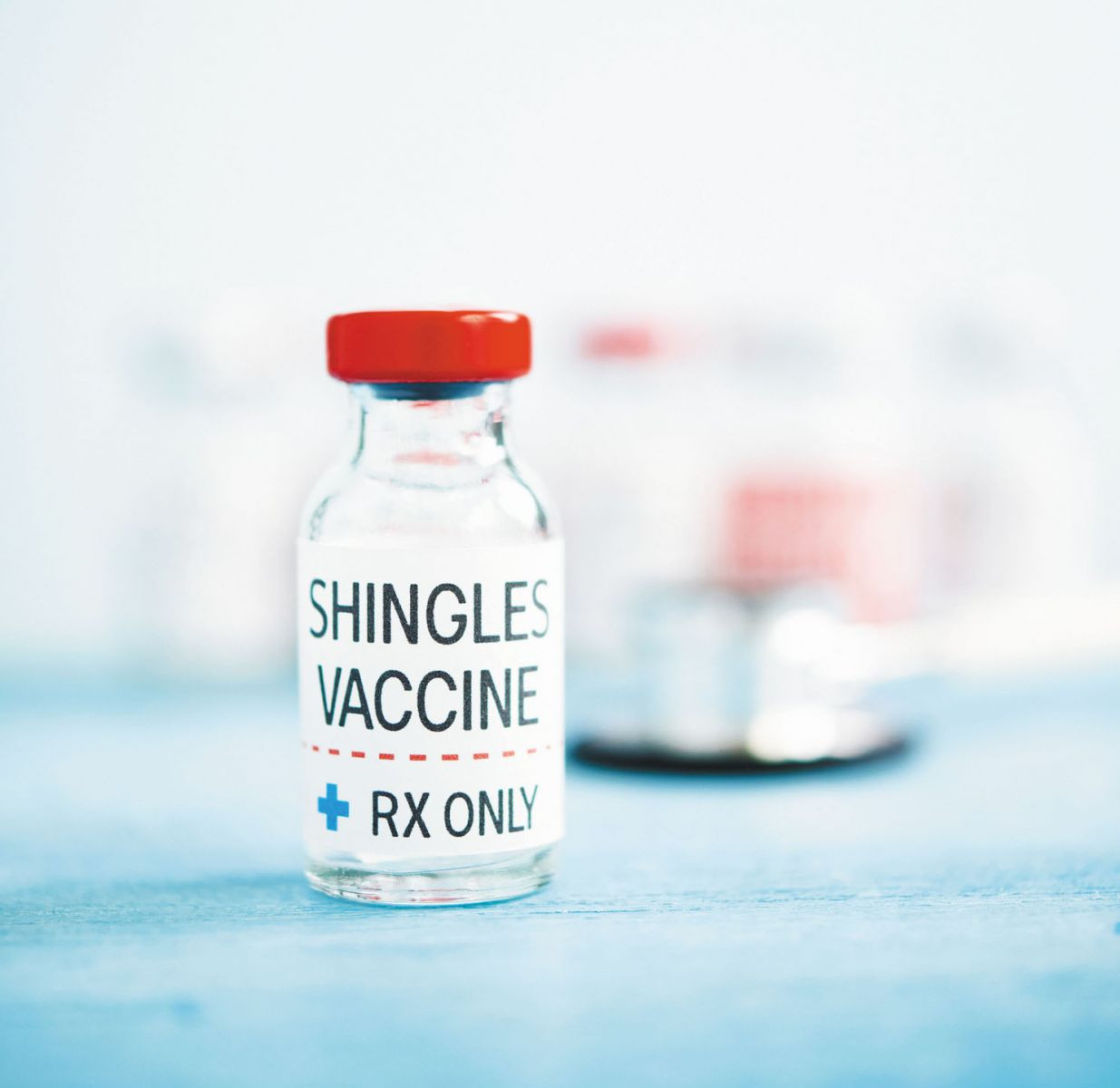
Is shingles contagious?
Ask the doctors
Q. I understand that shingles is caused by a virus. Does that mean that shingles is contagious?
A. Yes and no. If you had chickenpox when you were a child, you are at risk for shingles. Shingles occurs when the varicella-zoster virus that caused your chickenpox re-emerges after lying dormant in your nerve cells from the time of your original illness. When this occurs, you are contagious, but you can't give someone shingles. You can, however, infect people with chickenpox if they haven't been exposed to the virus in the past and haven't been vaccinated against it. For this reason, it's important to take precautions, particularly if you are close to someone who has a weakened immune system.
Fatty liver disease: Should you be tested?
Even a little exercise linked with lower stroke risk in people with afib
Testosterone therapy without evidence of deficiency may boost heart risk
Weight-loss drug may lower risk of heart attacks and infections
Migraine: How it's diagnosed and what that means
Tricep workouts you can do at home
Mindfulness practices to reduce stress and improve focus
Antihistamines may not offer meaningful relief from eczema symptoms
Overweight and taking blood pressure medications: Study finds it's a trend that's working
FDA approves first mRNA-based flu vaccine
Free Healthbeat Signup
Get the latest in health news delivered to your inbox!
Sign Up
