

Fatty liver disease: Should you be tested?

Even a little exercise linked with lower stroke risk in people with afib

Testosterone therapy without evidence of deficiency may boost heart risk

Weight-loss drug may lower risk of heart attacks and infections

Migraine: How it's diagnosed and what that means

Tricep workouts you can do at home

Mindfulness practices to reduce stress and improve focus

Antihistamines may not offer meaningful relief from eczema symptoms

Overweight and taking blood pressure medications: Study finds it's a trend that's working

FDA approves first mRNA-based flu vaccine
Pediatric health Archive
Articles

How to help your baby through shots and blood tests

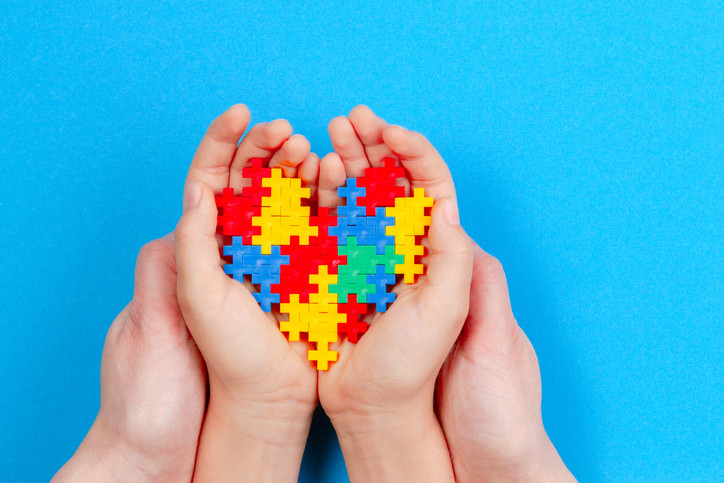
Congenital heart disease and autism: A possible link?
A recent study confirms that people born with congenital heart disease have a significantly greater risk of being diagnosed with an autism spectrum disorder. The research highlights the need for autism screening in children with CHD as early as possible.

Consider this Harvard finding before you toast the New Year
News briefs
We've reported before that heavy drinking is tied to an increased risk for developing dementia. A Harvard-led study published online Sept. 27, 2019, by JAMA Network Open suggests that the risk is even worse if you have mild cognitive impairment (MCI). Researchers analyzed the data of more than 3,000 dementia-free adults (average age 78, some with MCI) who reported their alcohol use and underwent psychological testing for six years. People with MCI who drank heavily (more than 14 drinks per week) had a 72% higher risk for dementia than people who drank less than one drink per week. However, people without MCI who drank moderately (seven to 14 drinks per week) didn't appear to have an increased risk for dementia, and even seemed to have a 37% lower risk for dementia compared with people who consumed less than one drink per week. The bottom line: "Our results suggest that moderation is the healthiest approach if you drink. And if you have mild cognitive impairment, you may want to reconsider drinking alcohol at all," says Dr. Kenneth Mukamal, a study author and researcher with the Harvard T.H. Chan School of Public Health.
Image: franckreporter/Getty Images

How to improve your episodic memory
These tips can help you recall the details from past events and learn from them.
Does this sound familiar? You can't recall the name of someone you met before. Or you forget the time-saving shortcut from a previous car trip. Or you repeatedly make the same silly mistake doing a once-familiar task.
It's frustrating when you can't recall certain past details. You may chalk it up to "senior moments." But, the actual problem is a breakdown in your episodic memory, the brain's largest and most complex memory system.

Can supplements help boost your immune system?
Your money might be better spent on something else.
During the winter months, you've likely seen ads for products that claim to give your immune system a boost to help you ward off colds and the flu. But can something in a bottle, whether a vitamin formulation or probiotic, really rev up your immune system to help you stay healthy?
"Unfortunately, the reality is that those kinds of products aren't really offering you any benefit," says Michael Starnbach, a professor of microbiology at Harvard Medical School. "There's no evidence that they help in fighting disease."

Trouble with crossword puzzles? Improve your semantic memory
Semantic memory is your store of factual knowledge and the meanings of words. It also helps you recall nonverbal concepts and relationships between words and concepts. And while some aspects of memory may decline with age, semantic memory does not.

Got children? How to get out the door on time
Having trouble getting younger kids ready to leave home on time in the morning? Try these strategies to motivate them to accomplish morning-routine tasks.

A free, easy way to help your health
News briefs
Want something simple to boost your health? Try looking on the bright side. A large observational study published online Sept. 27, 2019, by JAMA Network Open tied optimism to fewer heart attacks and a lower risk for premature death. Researchers combed through 15 studies that included almost 230,000 people who were followed for an average of 14 years. Being optimistic was associated with a 35% lower risk for cardiovascular events and a 14% lower risk for an early death, compared with being pessimistic. The findings don't prove that seeing the glass half-full causes better health, but many other studies have reported similar findings. "Optimistic people may have healthier habits, such as regular exercise and healthy diets; and they may be better at regulating their emotions in stressful situations, which could also contribute to lower levels of inflammation. But we need more research to confirm it," says Dr. Laura Kubzansky, a study author and co-director of the Lee Kum Sheung Center for Health and Happiness at the Harvard T.H. Chan School of Public Health.
Image: Morsa Images/Getty Images

Outrunning the risk of dementia
Even if dementia runs in your family, smart lifestyle changes can help you improve your chances of staying ahead of it.
There are many things you can change about your life, but unfortunately, your genes are not among them. For better or worse, you are dealt a specific genetic hand when you are born. But that does not mean you are defenseless.
Take dementia, for example. If this cognitive disorder runs in your family, new research suggests there are ways to perhaps avoid the same fate.
Fatty liver disease: Should you be tested?
Even a little exercise linked with lower stroke risk in people with afib
Testosterone therapy without evidence of deficiency may boost heart risk
Weight-loss drug may lower risk of heart attacks and infections
Migraine: How it's diagnosed and what that means
Tricep workouts you can do at home
Mindfulness practices to reduce stress and improve focus
Antihistamines may not offer meaningful relief from eczema symptoms
Overweight and taking blood pressure medications: Study finds it's a trend that's working
FDA approves first mRNA-based flu vaccine
Free Healthbeat Signup
Get the latest in health news delivered to your inbox!
Sign Up
