

Signs of pneumonia: Sometimes vague and unexpected

The surprising link between ovarian cancer and the fallopian tubes

Using a vibration plate: What it can — and can't — do for your body

People who walk more or walk faster live longer, study finds

Rosacea treatments: What works?

For sleep apnea, a dental device may be as effective as CPAP

Carb cycling: What is it, and does it work?

Understanding orthorexia: Have your healthy eating goals gone too far?

Melatonin or magnesium: Can either supplement help you sleep?

Salmonella, E. coli, Cyclospora, and other germs that cause food poisoning: What you need to know
Pain Archive
Articles

8 tips for buying shoes that are good to your feet
Buying the right shoes is an investment in foot health. But how do you find ones that fit properly and provide adequate support?
Start with your own feet, and look at what's already in your closet. Stand barefoot on a piece of paper or cardboard, and trace the shape of each foot. Now take your shoes, one by one, and place them on top of the drawing. If you're like most people, your "comfortable" shoes will closely match the outline of your own feet.

Stronger heart risk warning for popular painkillers
Current data suggest that naproxen may be the safest NSAID. Image: iStock |
NSAID users: Take the lowest effective dose for the shortest possible time.

Physical therapy as good as surgery for common spine-related back pain
New study findings provide better guidance to men about treatment options for spinal stenosis.
Spinal stenosis, a progressive narrowing of the space around the lower (lumbar) spinal nerves, is a common cause of back pain and disability in men over age 65. When anti-inflammatory medications and injections fail, stenosis sufferers start looking for other solutions. A surgical procedure called decompression can improve things temporarily, but like any back surgery, it comes with risks.

Using nonprescription pain relievers safely
Alternating two types of over-the-counter drugs can relieve pain while reducing the risk of serious side effects.
If you're in a drugstore trying to decide which over-the-counter pain reliever to buy, there are scores of products from which to choose. But there really are only two basic types: nonsteroidal anti-inflammatory drugs (NSAIDs), which include aspirin, ibuprofen (Motrin, Advil), and naproxen (Aleve, Naprosyn); or acetaminophen (Tylenol). If you want to maximize pain relief and minimize side effects, you might want to stock up on both types.

Best steps to soothe heel pain
Self-help steps can often chase away plantar fasciitis. For tough cases, make surgery your last option.
Plantar fasciitis is a common and painful overuse injury. It happens when the tough band of connecting tissue on the underside of the foot (the plantar fascia) develops tiny tears where it attaches to the heel bone. The good news is that plantar fasciitis usually gets better after a brief period of basic at-home care. "With rest, stretching, and avoiding the activity that is bothering you, it can go away in a couple of weeks," says Dr. A. Holly Johnson, an orthopedic surgeon specializing in foot and ankle problems at Harvard-affiliated Massachusetts General Hospital. "Sometimes it can take a few months for the pain to settle down, however."

Ask the doctor: I have osteoporosis. Will physical therapy for my back cause spinal fractures?
Q. I have sciatica. I also have vertebral fractures caused by osteoporosis. I'd like to get physical therapy for my sciatica but am worried about damaging my spine further. What do you advise?
A. I am glad that you are interested in pursuing physical therapy to treat the sciatica. It's the best treatment for it. The physical therapist is likely to show you how to do gentle stretching exercises for your upper legs, buttocks, and back, as well as how to use your back, core, and legs more effectively to avoid worsening the strain on your sciatic nerve. She will also train you to do exercises to strengthen your back and core. None of these maneuvers will damage the bones in your back. But it's important for you to tell the therapist that you do have osteoporosis and vertebral fractures. She will keep that in mind as she works with you.

Best bets for back pain
Judicious use of pain relievers can help you keep doing your usual daily activities, which aids recovery from back pain. Images: Thinkstock |
When your back is bothering you and you don't want to take prescription drugs, over-the-counter solutions and physical therapies can help relieve symptoms.

Insomnia therapy helps reduce knee pain
Painful knees and sleeplessness often go hand in hand, but a form of counseling called cognitive behavioral therapy (CBT) can help with both problems, according to a study in Arthritis and Rheumatology.
The study involved 100 people ages 50 to 70 with wear-and-tear arthritis (osteoarthritis) in the knee as well as insomnia. They were chosen at random for either eight sessions of CBT or a comparison treatment, called desensitization therapy, known not to be very effective for insomnia.
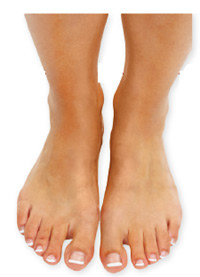
Healthy ankles: Your mobility depends on them
Although ankle injuries can be painful and disabling, many are preventable, and most are easily treated.
Ankle injuries are among the most common joint problems. Every year, nine million people sprain an ankle, and tens of thousands more sustain fractures. Ankle injuries often stem from falls and accidents. Several factors—from poor balance, to loss of elasticity in tendons and ligaments, to ill-fitting shoes—can increase the risk of injury, says Dr. Christopher Chiodo, an orthopedic surgeon at -Harvard-affiliated Brigham and Women's Hospital's foot and ankle center.

Physical therapy and back surgery equally effective, study shows
Spinal stenosis—narrowing of the spinal canal that increases pressure on spinal nerves—is a common source of lower back pain and weakness. Although many people assume that surgery to remove pressure on the nerves is the most effective way to bring relief, there is little evidence to support that assumption. A study reported in the April 7, 2015, issue of Annals of Internal Medicine indicates that physical therapy may be just as effective as back surgery in providing pain relief and enabling people to get around better.
For the study, 169 men and women with disabling spinal stenosis were randomly assigned to two groups—87 to have surgery and 82 to have intensive physical therapy. Two years later, both groups had similar results on physical function tests. However, 33 of the patients who underwent surgery had complications, usually requiring more surgery.
Signs of pneumonia: Sometimes vague and unexpected
The surprising link between ovarian cancer and the fallopian tubes
Using a vibration plate: What it can — and can't — do for your body
People who walk more or walk faster live longer, study finds
Rosacea treatments: What works?
For sleep apnea, a dental device may be as effective as CPAP
Carb cycling: What is it, and does it work?
Understanding orthorexia: Have your healthy eating goals gone too far?
Melatonin or magnesium: Can either supplement help you sleep?
Salmonella, E. coli, Cyclospora, and other germs that cause food poisoning: What you need to know
Free Healthbeat Signup
Get the latest in health news delivered to your inbox!
Sign Up
