

Oat vs. dairy milk: Nutrition, benefits, and downsides

Microplastics: A hidden health threat?

Healing after food poisoning

What is tempeh? Benefits, nutrition, and how to use it

Light exposure at night may raise risk for heart disease

Whole grains may improve several heart risk factors at once

A lumbar belt may help ease low back pain

Children of centenarians may stay healthier and live longer too, study finds

Signs of pneumonia: Sometimes vague and unexpected

The surprising link between ovarian cancer and the fallopian tubes
Pain Archive
Articles

The end of painful sitting
Older adults typically sit for about 65% to 80% of their waking hours. One problem of prolonged sitting is pain due to gluteal amnesia. It occurs from a weak gluteus medius-one of the three gluteal muscles that help stabilize the pelvis and maintain the body's proper alignment. Moving more often during the day and doing exercises that strengthen weak gluteal muscles can help prevent this problem.


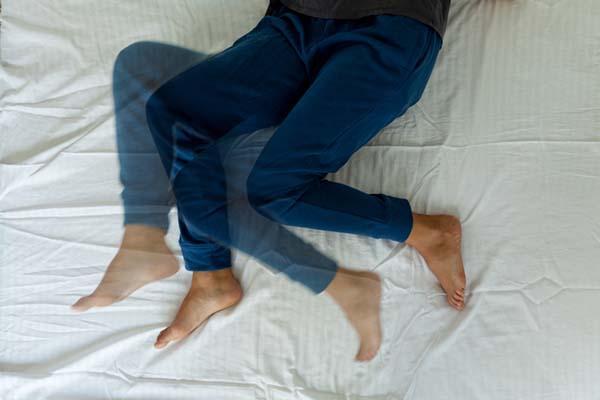

Big toe got you down? It may be hallux rigidus
Hallux rigidus is stiffness in the big toe caused by arthritis in its joint. It can be treated with anti-inflammatory medication or sometimes a corticosteroid injection, but if these measures are unsuccessful, surgery may be necessary.

What to do about rotator cuff tendonitis
Rotator cuff tendinits is the most common shoulder injury. The best course of treatment is to rest, apply ice, take ibuprofen, and do stretching and strengthening exercises.

Top 5 ways to reduce crippling hand pain
The most common causes of hand pain include osteoarthritis, nerve conditions, and tendinitis. To help manage the pain and avoid surgery, doctors recommend splinting, corticosteroid injections, anti-inflammatories, heat and cold applications, and hand exer

Take control of your knee pain
Regular exercise and stretching can reduce knee pain related to some common conditions. Exercises that strengthen muscle groups in the upper and lower legs, hips, and core can help them better support the knee and improve movement. Strength-building exercises should be done at least two days a week, and stretches should be performed daily.
Oat vs. dairy milk: Nutrition, benefits, and downsides
Microplastics: A hidden health threat?
Healing after food poisoning
What is tempeh? Benefits, nutrition, and how to use it
Light exposure at night may raise risk for heart disease
Whole grains may improve several heart risk factors at once
A lumbar belt may help ease low back pain
Children of centenarians may stay healthier and live longer too, study finds
Signs of pneumonia: Sometimes vague and unexpected
The surprising link between ovarian cancer and the fallopian tubes
Free Healthbeat Signup
Get the latest in health news delivered to your inbox!
Sign Up
