

CoQ10: Should you take this popular supplement if you're on a statin?

Oat vs. dairy milk: Nutrition, benefits, and downsides

Microplastics: A hidden health threat?

Healing after food poisoning

What is tempeh? Benefits, nutrition, and how to use it

Light exposure at night may raise risk for heart disease

Whole grains may improve several heart risk factors at once

A lumbar belt may help ease low back pain

Children of centenarians may stay healthier and live longer too, study finds

Signs of pneumonia: Sometimes vague and unexpected
Osteoporosis Archive
Articles

Surgery-free pain relief for hips and knees
Hip and knee pain can keep you from the activities you love, as well as make routine tasks difficult. But there are many ways to get you moving again pain-free, without surgery. Here are some of the treatments that can help relieve hip and knee pain.
Ultrasound, phonophoresis, and iontophoresis
Therapeutic ultrasound is a simple procedure that uses sound waves to increase blood flow, relax muscle spasms, and aid healing that leads to faster hip pain relief and knee pain relief. The therapist applies gel to your skin and moves an ultrasound wand over your skin around the painful area. In a special ultrasound technique called phonophoresis, medication (often hydrocortisone) is added to the gel. In a survey of orthopedic physical therapists, more than half said they would use ultrasound and phonophoresis to reduce soft-tissue inflammation (in tendinitis or bursitis, for example). These techniques are also used to manage pain, heal tissue, and help muscles stretch.
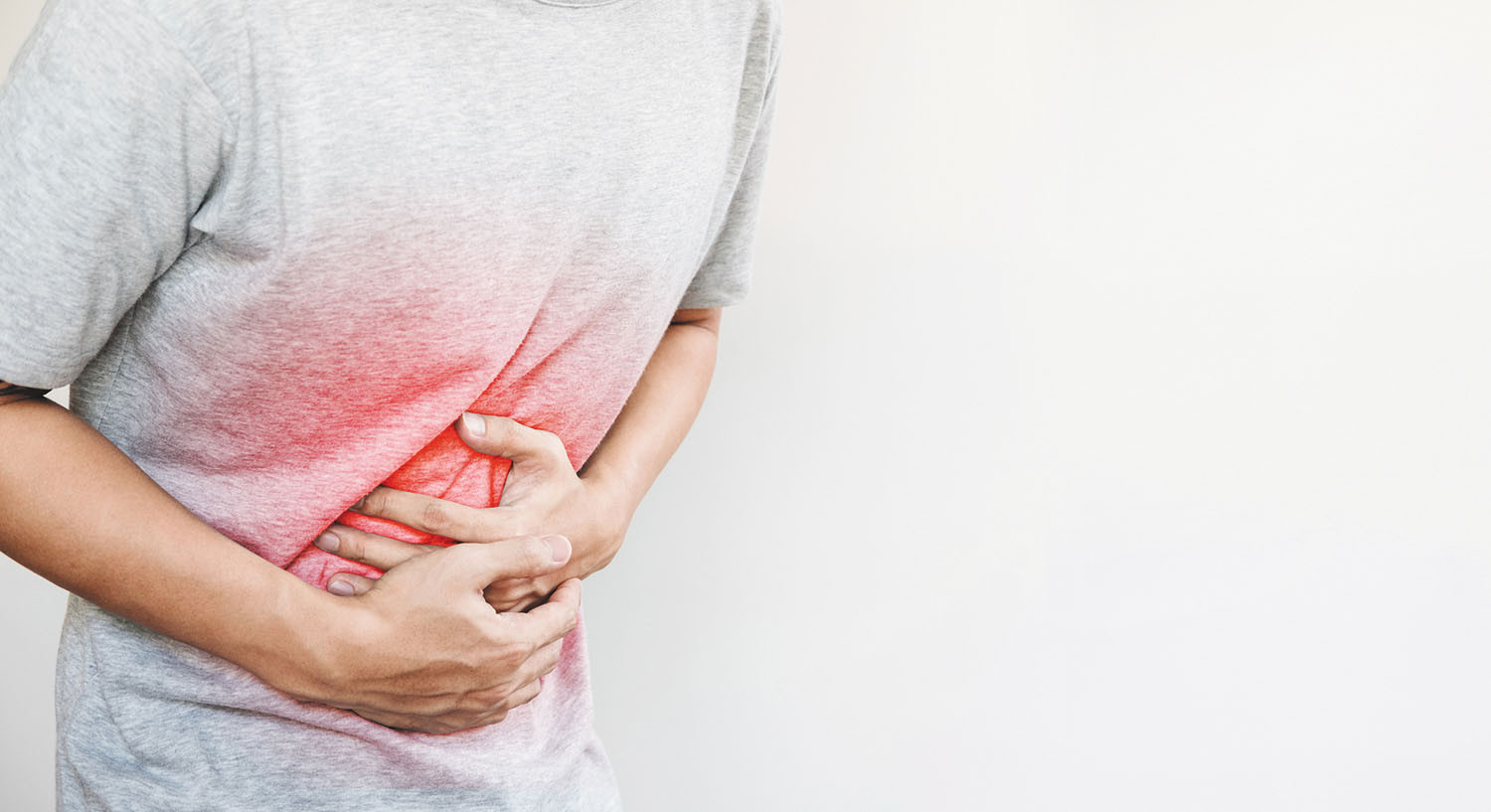
Putting a stop to leaky gut
What can you do about this mysterious ailment?
Image: © SasinParaksa/Getty Images
Leaky gut has not received the attention it deserves, in large part because it remains a medical mystery.
"Part of the reason is that the gut is such a complex system, and science continues to find new ways that the gut can influence everything from heart health to keeping our brains young," says Dr. Alessio Fasano, director of the Center for Celiac Research and Treatment with Harvard-affiliated Massachusetts General Hospital. "There is much we know about leaky gut in terms of how it affects people's health, but there is still so much that is unknown."

My doctor says I have a skin condition called hidradenitis suppurativa. How is that normally treated?
Ask the doctors
Q. I was recently diagnosed with hidradenitis suppurativa. What could have caused this condition, and can it be cured? What are the usual treatments?
A. Hidradenitis suppurativa is an uncommon skin condition that starts out as pimple-like lesions on the skin. If left untreated, it can grow deeper into the tissue and over time can lead to painful fluid-filled lumps or thick scars. The condition is most common on parts of the body where skin presses up against skin, such as the groin, the underarms, the thighs, or the buttocks. Hidradenitis suppurativa most often affects younger people, particularly women, and most often happens after puberty. It's less common in people over age 55. Other risk factors include smoking and being overweight or obese, and it seems to run in families. Experts aren't really sure what causes hidradenitis suppurativa, but hormones and the immune system may play a role. Some experts believe that an ordinary blockage in the skin triggers an overzealous immune system reaction, which leads to symptoms. The good news is that you can't spread the condition to other people, and it is treatable. Catching the problem early can minimize problems. There are numerous treatment options for hidradenitis suppurativa, including antibiotics, hormonal medications and skin treatments, such as acne washes or special bleach baths. In more severe cases, your doctor might also recommend biologic therapy to dampen the immune response or surgery to remove or drain the affected skin. Even after treatment, the condition may require ongoing monitoring to treat or prevent recurrences.

Is aspirin best for peripheral artery disease?
Ask the doctor
Image: © Jeng_Niamwhan/Getty Images
Q. Is there something stronger than aspirin I can take for peripheral artery disease in my legs?
A. People with peripheral artery disease (PAD) in the legs have blockages (plaques of atherosclerosis) in the arteries that impair the flow of blood. Based on large scientific studies involving over 5,000 people with PAD, authorities recommend taking a daily aspirin tablet. For people with PAD, smoking cessation, regular exercise, and often other medicines such as statins, can help prevent further plaque buildup and decrease symptoms.


Is that brain fog really adult ADHD?
Sometimes attention deficit hyperactivity disorder is behind issues with memory and task completion.
Image: © monkeybusinessimages/Getty Images
You may be concerned about your memory if you notice that you're struggling to keep track of items you use each day, getting sidetracked when doing chores and other tasks, and tuning out during conversations. But it could be that you have attention deficit hyperactivity disorder (ADHD), a brain wiring difference once recognized only in children. In adults, ADHD often produces problems with memory and attention rather than hyperactivity.
"Two to three percent of people in their 60s or older have traits of ADHD that are impairing," says Dr. Craig Surman, a neuropsychiatrist and ADHD researcher at Harvard-affiliated Massachusetts General Hospital and co-author of the Harvard Health Publishing book FASTMINDS: How to Thrive If You Have ADHD (or think you might).
What causes my sudden dizziness when I move?
On call
Q. For the past few months, I get dizzy when I turn my head quickly or bend over. What could cause this?
A. You most likely have a bothersome, but not serious, condition called benign paroxysmal positional vertigo. The symptoms are brought on by head movement. They can be quite mild, with just a few seconds of a spinning or off-balance sensation when the head moves a certain way, but some people experience severe dizziness, along with nausea and possible falling.
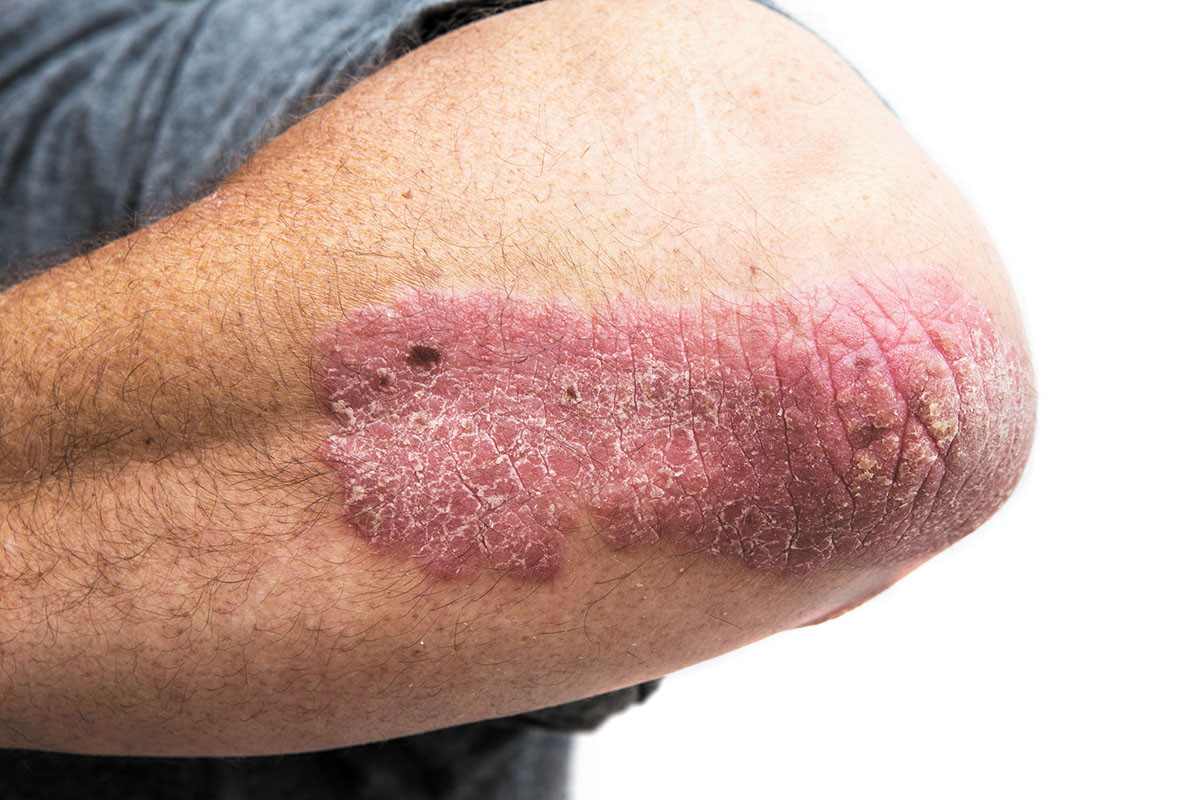
A deeper look at psoriasis
There are ways to shorten flare-ups and, in some people, prevent them from recurring.
Image: © JodiJacobson/Getty Images
Psoriasis is a big star on TV drug ads, but this autoimmune skin disease is something most people try to keep well hidden.
"Psoriasis is among the most common skin conditions, affecting about 2% of the U.S. population, and while the condition doesn't affect everyone the same way, the approach to treatment and prevention is often similar," says Dr. Gideon Smith, an assistant professor of dermatology at Harvard-affiliated Massachusetts General Hospital.
Keeping bones strong
Ounce for ounce, bone bears as much weight as reinforced concrete. However, unlike reinforced concrete, bone is a living tissue. It serves as a repository of minerals for the rest of the body to use, continuously lending them out and replacing them. Bone also gets stronger when "stressed" by physical activity, and can repair itself when injured.
The building and tearing down of bone tissue is called remodeling. This process happens continuously throughout your entire life. At first, your body rebuilds more bone than it demolishes. Typically, a person reaches peak bone mass around the age of 30. Among women, bone mass usually remains steady for the next 20 years or so until the onset of menopause, when bone is lost much more quickly than it is replaced. When bone loss is significant, the result is osteoporosis (which means "porous bone"). Bone loss generally starts later for men — typically in the late 50s — and progresses more slowly than in women. But men can also get osteoporosis.
CoQ10: Should you take this popular supplement if you're on a statin?
Oat vs. dairy milk: Nutrition, benefits, and downsides
Microplastics: A hidden health threat?
Healing after food poisoning
What is tempeh? Benefits, nutrition, and how to use it
Light exposure at night may raise risk for heart disease
Whole grains may improve several heart risk factors at once
A lumbar belt may help ease low back pain
Children of centenarians may stay healthier and live longer too, study finds
Signs of pneumonia: Sometimes vague and unexpected
Free Healthbeat Signup
Get the latest in health news delivered to your inbox!
Sign Up
