

Reading the current blood pressure guidelines

Oat vs. dairy milk: Nutrition, benefits, and downsides

Microplastics: A hidden health threat?

Healing after food poisoning

What is tempeh? Benefits, nutrition, and how to use it

Light exposure at night may raise risk for heart disease

Whole grains may improve several heart risk factors at once

A lumbar belt may help ease low back pain

Children of centenarians may stay healthier and live longer too, study finds

Signs of pneumonia: Sometimes vague and unexpected
Nerve pain (neuropathic pain) Archive
Articles
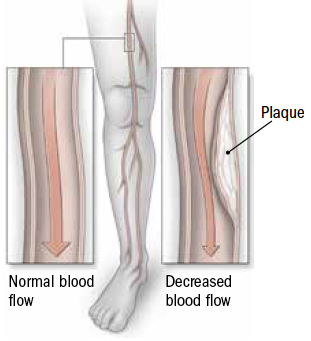
A leg up on peripheral artery disease
The condition causes leg pain and fatigue that make activity difficult, but lifestyle changes can improve how you feel.
The occasional leg pain or stiffness is often not cause for concern, but if pain or fatigue develops after just a few minutes of walking or climbing stairs, it could be an early sign of peripheral artery disease (PAD).
"PAD not only interferes with an active lifestyle, but also can put you at higher risk for a heart attack and stroke," says Dr. Michael Belkin, chief of the Division of Vascular and Endovascular Surgery with Harvard-affiliated Brigham and Women's Hospital. "You can't cure PAD once it occurs, so you want to take measures to avoid it as much as possible."

Rubbing it in
Pain relief creams and ointments can get the medicine right to where it hurts, and the smell is often familiar and soothing. But do they work?
When something like a knee hurts, there's a natural tendency to rub it. And if it really hurts, most of us will think about popping a pain-relieving pill of some kind — acetaminophen (Tylenol) for starters, or perhaps one of the nonsteroidal anti-inflammatory drugs (NSAIDs) like aspirin, ibuprofen (Advil, Motrin), or naproxen (Aleve, Naprosyn).

Undoing the harm: Tapering down from high-dose opioids
The CDC’s Guideline on Prescribing Opioids for Chronic Pain helps doctors and patients manage treatment at safe levels and avoid dependence. Any plan to taper medication dosage should be personalized to the patient’s needs.

Using mind over matter to help treat chronic pain
News briefs
Many people use psychological techniques to help them cope with chronic pain. But which approach is best? A study published Jan. 31, 2019, in the journal Evidence-Based Mental Health offers insight. Researchers analyzed 21 randomized studies focusing on the effect of either cognitive behavioral therapy (CBT), to redirect pain-related thoughts and behaviors, or mindfulness-based stress reduction (MBSR), combining yoga and meditation to build awareness and acceptance of moment-to-moment experiences (including pain). The result: There was no clear winner. Both approaches reduced pain and depression and improved physical functioning compared with usual care or no care. The authors say the findings are important, since CBT is considered the go-to psychological technique for chronic pain. But MBSR should be considered as an additional tool, they suggest. Want to try it? Many hospitals, universities, and meditation centers offer MBSR programs. You can also search for MBSR videos and classes online.

Poor sleep can change your reaction to pain
In the journals
Lack of sleep may make you more sensitive to pain, according to a study in the Jan. 28, 2019, issue of The Journal of Neuroscience.
Researchers found that poor sleep interferes with certain pain centers of the brain and can change how a person perceives and reacts to discomfort. In the study, scientists scanned the brains of 25 healthy adults in two sleep environments: first, after they slept eight hours, and again after they were kept awake for 24 to 28 hours. During both scans, they also received uncomfortable levels of heat to their legs.

Recognizing a common cause of exercise-related leg pain
Peripheral artery disease is serious but preventable.
As people get older, they sometimes shrug off painful cramping in their calves when they walk as a sign of age or overexertion. But it can be a symptom of a more serious condition known as peripheral artery disease, or PAD.
PAD is a condition in which fatty deposits collect in arteries outside the heart — most commonly in the legs — and reduce blood flow in that part of the body. Doctors used to think PAD mostly affected men, but when researchers began to include more women in their studies, they learned that the condition is just as common in women, affecting one in every 10 women over age 50 and one in every five over age 60, says Dr. Aruna Pradhan, a cardiologist and assistant professor of medicine at Harvard Medical School.
By the way, doctor: What can I do about ischial bursitis?
Q. I have a pain in my right buttock, which my doctor says is ischial bursitis. Is there anything I can do for the pain or to make the condition go away?
A. Ischial bursitis, sometimes called ischiogluteal bursitis, is an inflammation of the fluid-filled sac, or bursa that lies between the ischial tuberosity (the lower part of the V-shaped bone that helps form the pelvis) and the tendon that attaches the hamstring muscle to the bone. It helps to understand the location of the ischial bursa is by recognizing that it’s the part of your body that bears most of the pressure when sitting in a saddle. Injury or overuse can cause the bursa to become inflamed, swollen, and painful — a condition called bursitis. Ischial bursitis can result from sitting for long periods on a hard surface, from direct trauma to the area, or from injury to the hamstring muscle or tendon through activities such as running or bicycling.
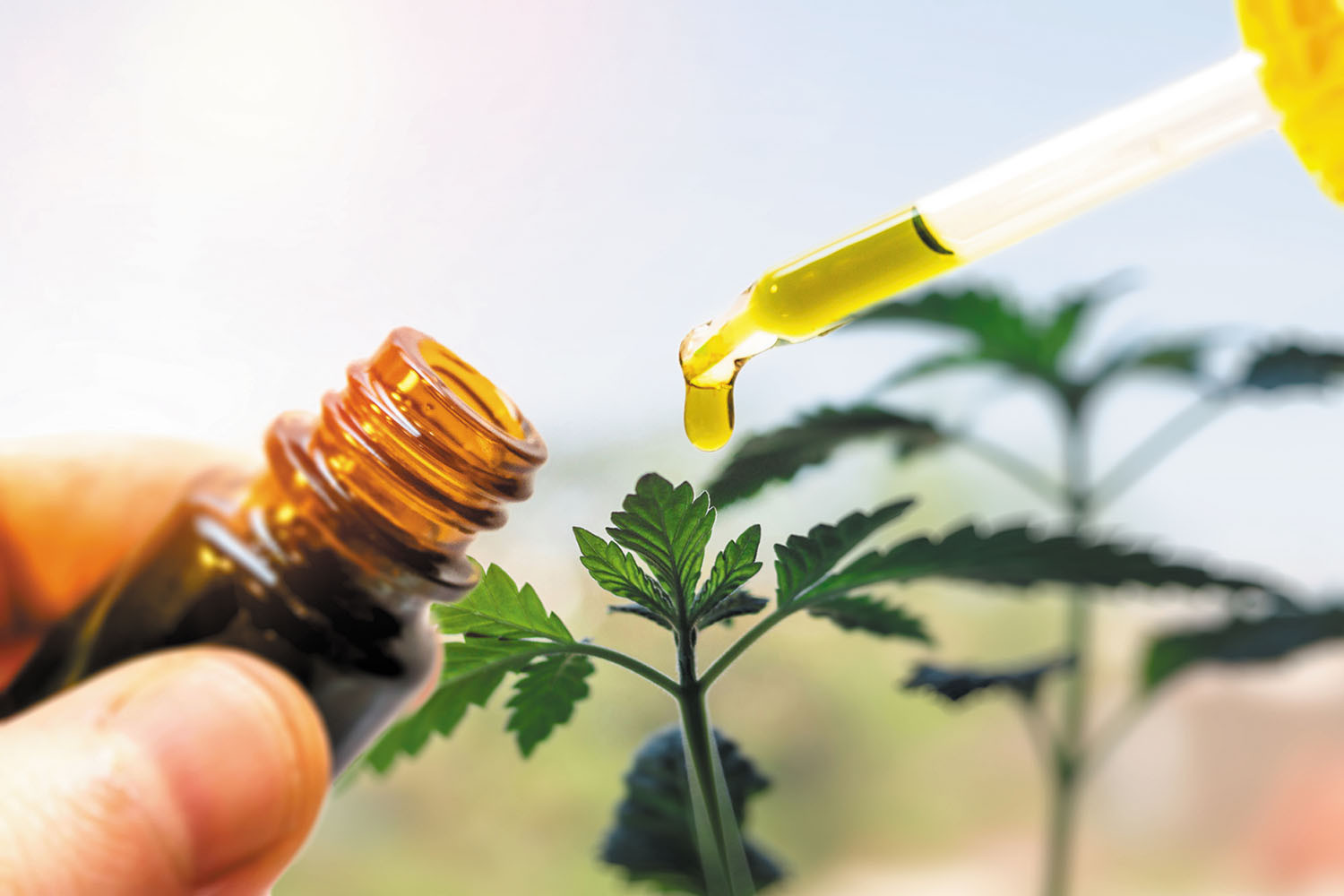
Answers to the top questions about cannabis extract
Sales of cannabidiol-infused products are expected to top $2 billion by 2021. But is CBD right for you?
Cannabidiol (CBD) is touted as a natural wonder that can help treat symptoms of everything from anxiety to arthritis pain. The plant extract comes from two varieties of cannabis — hemp and marijuana — and is available in creams, tinctures, oils, patches, gummy bears, capsules, and more. You can even add CBD to a latte if you walk into a coffee shop in some cities.
But is CBD safe for older adults? There haven't been a lot of large studies of CBD's safety, but more traditional medicines for pain and anxiety are not free of adverse effects, either. "I think CBD is likely safer than many other treatments people use for pain, insomnia, or anxiety," says Dr. Peter Grinspoon, a primary care physician with Harvard-affiliated Massachusetts General Hospital. Other physicians don't think we know enough about the safety profile of CBD to be sure.

Muscle aches from statins: Real, but sometimes imagined?
The "nocebo effect" may explain why some people believe they can't tolerate statins.
For more than 20 years, cholesterol-lowering statin drugs have been a mainstay for preventing and treating heart disease. But up to half of people prescribed these drugs are no longer taking them within a year or two. The reasons vary, but some people experience what they believe to be statin-related side effects — most often muscle pain. Others avoid statins altogether because of worries over side effects.
"Far too any people think they cannot tolerate statins when they actually can," explains Dr. Jorge Plutzky, director of preventive cardiology at Harvard-affiliated Brigham and Women's Hospital. To be clear, muscle problems are a known side effect of statins. However, serious muscle-related complications are extremely rare (see "What is rhabdomyolysis?"). And when people experience the more common — but less worrisome — muscle-related symptoms, those issues usually resolve with a lower statin dose or a change to a different statin, Dr. Plutzky says.
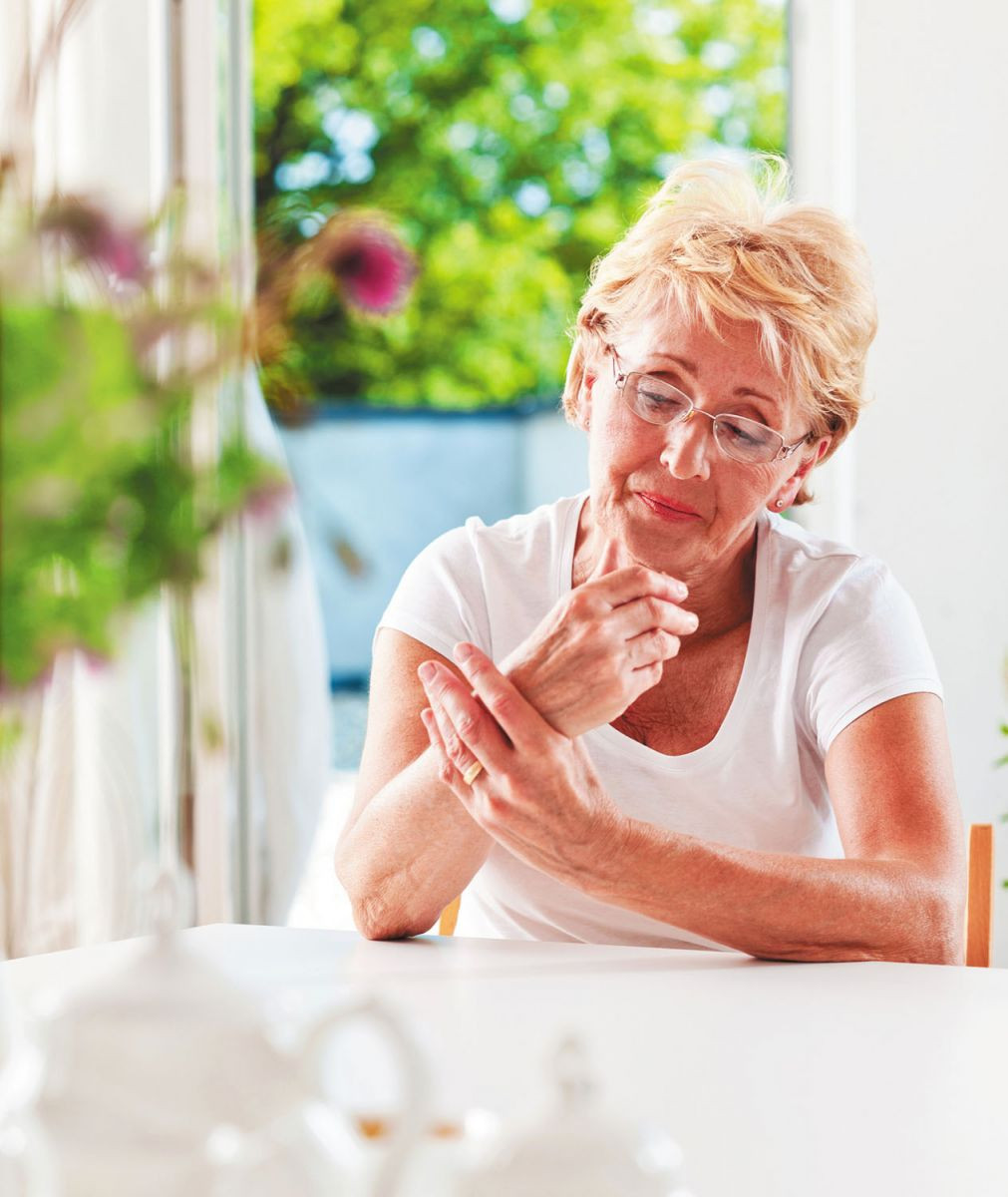
Does arthritis pain change with the weather?
Ask the doctors
Q. My friend insists that her arthritis pain gets worse just before it rains. Is it true that joint pain can intensify based on the weather?
A. Despite what your friend, your grandmother, and generations of people have sworn is the case, experts haven't found consistent evidence that arthritis pain gets worse on rainy days. At best, study results over the years have been mixed, and one large, recent study seems to cast doubt on the theory.
Reading the current blood pressure guidelines
Oat vs. dairy milk: Nutrition, benefits, and downsides
Microplastics: A hidden health threat?
Healing after food poisoning
What is tempeh? Benefits, nutrition, and how to use it
Light exposure at night may raise risk for heart disease
Whole grains may improve several heart risk factors at once
A lumbar belt may help ease low back pain
Children of centenarians may stay healthier and live longer too, study finds
Signs of pneumonia: Sometimes vague and unexpected
Free Healthbeat Signup
Get the latest in health news delivered to your inbox!
Sign Up
