

Reading the current blood pressure guidelines

Oat vs. dairy milk: Nutrition, benefits, and downsides

Microplastics: A hidden health threat?

Healing after food poisoning

What is tempeh? Benefits, nutrition, and how to use it

Light exposure at night may raise risk for heart disease

Whole grains may improve several heart risk factors at once

A lumbar belt may help ease low back pain

Children of centenarians may stay healthier and live longer too, study finds

Signs of pneumonia: Sometimes vague and unexpected
Nerve pain (neuropathic pain) Archive
Articles

4 leg problems and what might be causing them
The primary purpose of your legs is to keep you upright and mobile. Yet, your legs can also act as an indicator of your overall health. Although some symptoms you may experience are specific to a leg problem, others can suggest trouble with your heart, nervous system, kidneys, or other organs. Use the following symptom guide to help you decipher what broader problems your leg pain might suggest.
Symptom: Leg cramps
Possible cause: Dehydration
A cramp in your leg after you've been working out, especially in the heat, could be an important sign that your body is low on fluids. To contract and relax normally, muscles rely on water and electrolytes like sodium and potassium. Too little fluid or electrolytes can hypersensitize the nerves that control muscles in the legs, causing the
muscles to contract abnormally, or spasm.

When do I need an imaging test for my back pain?
On call
Q. I suddenly developed low back pain for the first time. My doctor said I did not need an x-ray or other imaging test. Is that normal and are there any situations when a test would be needed?
A. Yes, your doctor is following the current guidelines. Unless you have other symptoms in addition to low back pain, an x-ray, CT scan, or MRI is not likely to be helpful. But it could cause unnecessary worry while waiting for the results and cost you some money if it's not covered by your health insurance. In addition, many people have "false-positive" results in which an abnormality is detected but turns out to be harmless.
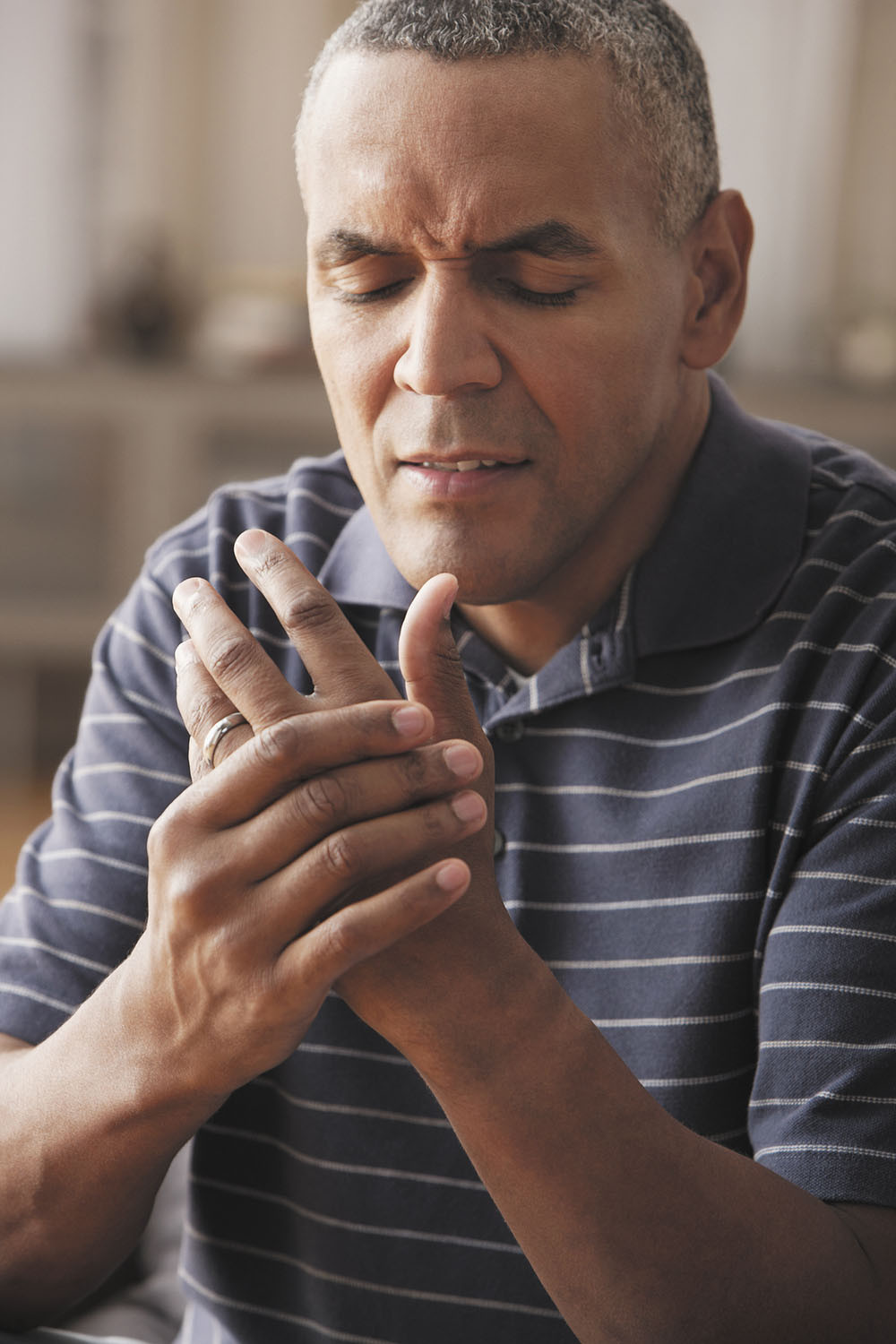
Getting a grip on hand osteoarthritis
Can you do anything about hand and finger joint pain?
Everyone experiences the occasional painful hands and sore fingers, but when osteoarthritis strikes, it can put a hold on many aspects of your life.
"As osteoarthritis progresses, you may lose some hand mobility, like the ability to grasp and hold objects," says Dr. Robert Shmerling, clinical chief of rheumatology at Harvard-affiliated Beth Israel Deaconess Medical Center and senior faculty editor at Harvard Health Publishing. "Over time, osteoarthritis can make the joints deformed, so it's harder to open and close your hands."
When sex gives more pain than pleasure
Dyspareunia is a common problem for many postmenopausal women.
Millions of women experience pain before, during, or after sexual intercourse—a condition called dyspareunia (from the Greek dyspareunos, meaning "badly mated"). This condition not only saps sexual desire and enjoyment, it can also strain relationships and erode quality of life in general. For postmenopausal women, dyspareunia may also raise concerns about aging and body image.
Many women suffer in silence and don't seek the help they need, or they have trouble finding a clinician who can diagnose and treat the causes of their pain. That is unfortunate, because treatments are available for many of the problems that underlie this vexing condition.

Know the facts about CBD products
The extract from the cannabis plant is the hot new treatment for all kinds of ailments, but don't buy into it just yet.
Cannabidiol (CBD), extracted from the cannabis or hemp plant, has been promoted as the latest miracle cure for everything from aches and pains to anxiety and sleep disorders. There is a good chance you've heard a friend share his or her story about the wonders of CBD.
But is it miraculous — or just a mirage?
"CBD is being used over the counter in a range of ways that is not supported by the science," says Dr. Jordan Tishler, instructor of medicine at Harvard Medical School and president of the Association of Cannabis Specialists. "There is still much we don't know. But aggressive marketing, hype, and word of mouth have made CBD like a drug version of the emperor's new clothes. Everyone says it works, but lab studies suggest that it's really not what people think."

Can changing my sleep habits help with neck pain?
Ask the doctors
Q. I often wake up with a sore neck in the morning. What can I do to prevent this?
A. Poor sleep habits can cause neck pain or make it worse. Simple changes can make it less likely that you will wake up in pain in the morning.

When to get help for low back pain
Image: Thinkstock |
Pain from ruptured discs and arthritis doesn't have to flatten you. There are a variety of ways to ease lower back pain discomfort and reduce disability, often without drugs.
Spinal problems are the price we pay for walking upright. Wear and tear on our backbones and the constant pull of gravity on our vertebrae take their toll over time. Nearly every adult has had a stiff or sore back at some time.
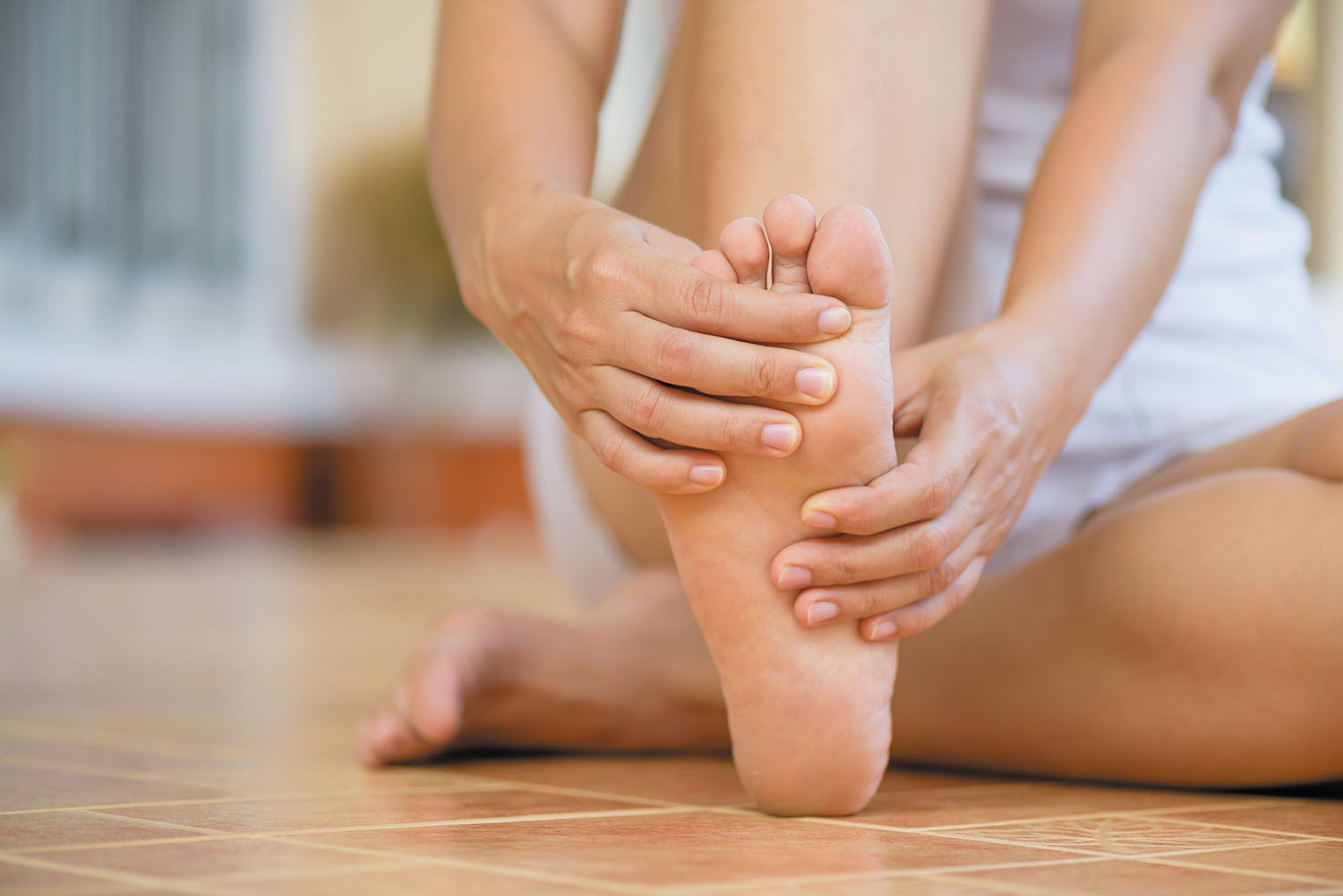
Don’t forget your feet
Women sometimes neglect their feet until they start to experience foot pain and other problems.
Most women get their teeth cleaned at least once a year, keep tabs on their heart, and may even have an annual eye exam. While they might clip and paint their toenails on a regular basis, women often neglect the health of their feet.
That lack of attention can lead to pain and other foot problems, which are common and — for some people — life-altering.

New thinking on peripheral neuropathy
Nerve damage might be causing everything from low blood pressure to gastrointestinal distress without your knowing it.
Doctors have long known peripheral neuropathy as a nerve condition that causes reduced sensation, tingling, weakness, or pain in the feet and hands. But those symptoms may be just the tip of the iceberg. Doctors are now learning that neuropathy can cause many more problems.
What is peripheral neuropathy?
Peripheral neuropathy refers to damage to the peripheral nerves throughout the body. These nerves carry messages to and from the brain.
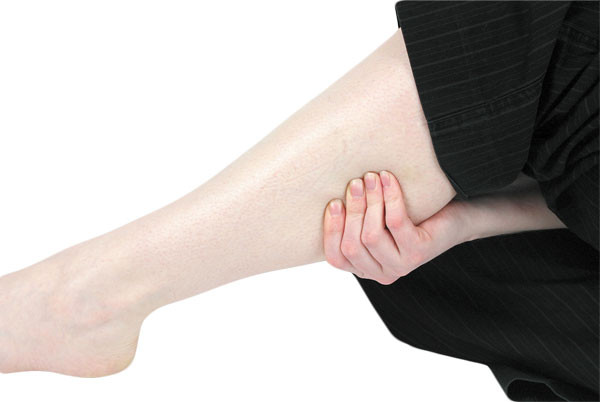
Will tonic water prevent nighttime leg cramps?
Ask the doctor
Image: Karl Rosencrants/ Thinkstock
Q. It's been suggested that drinking 2 to 3 ounces of tonic water before bedtime can prevent leg cramps at night. Is that true?
A. Tonic water—and the quinine it contains—have been promoted for preventing leg cramps for decades despite the lack of evidence that they are effective. Quinine is FDA-approved only for treating malaria and is sold with a warning against using it to treat leg cramps or muscle pain, because it increases the risk of bleeding and heart rhythm disturbances. Tonic water contains no more than 83 mg of quinine per liter—a much lower concentration than the 500 to 1,000 mg in the therapeutic dose of quinine tablets. Drinking a few ounces of tonic water shouldn't be harmful, but it isn't likely to prevent your leg cramps.
Reading the current blood pressure guidelines
Oat vs. dairy milk: Nutrition, benefits, and downsides
Microplastics: A hidden health threat?
Healing after food poisoning
What is tempeh? Benefits, nutrition, and how to use it
Light exposure at night may raise risk for heart disease
Whole grains may improve several heart risk factors at once
A lumbar belt may help ease low back pain
Children of centenarians may stay healthier and live longer too, study finds
Signs of pneumonia: Sometimes vague and unexpected
Free Healthbeat Signup
Get the latest in health news delivered to your inbox!
Sign Up
