

Reading the current blood pressure guidelines

Oat vs. dairy milk: Nutrition, benefits, and downsides

Microplastics: A hidden health threat?

Healing after food poisoning

What is tempeh? Benefits, nutrition, and how to use it

Light exposure at night may raise risk for heart disease

Whole grains may improve several heart risk factors at once

A lumbar belt may help ease low back pain

Children of centenarians may stay healthier and live longer too, study finds

Signs of pneumonia: Sometimes vague and unexpected
Nerve pain (neuropathic pain) Archive
Articles


The Science of Pain Management - Longwood Seminar
We all experience pain in our lives, but can the cure be worse than the condition? In this seminar, Harvard Medical School experts explore the science of pain, the realities of prescription drug dependence and new discoveries and treatments that may lead to better, safer pain management.
Each spring, Harvard Medical School's Office of Communications and External Relations organizes a series of four free "mini-med school" classes for the general public in the heart of Boston's Longwood Medical Area. At the end of the seminar series, participants who attend three out of the four sessions receive a certificate of completion. Topics are selected for their appeal to a lay audience and have included the human genome, nutrition, sleep dynamics and health care access. Faculty from Harvard Medical School and its affiliate hospitals volunteer their time to present these lectures to the community.
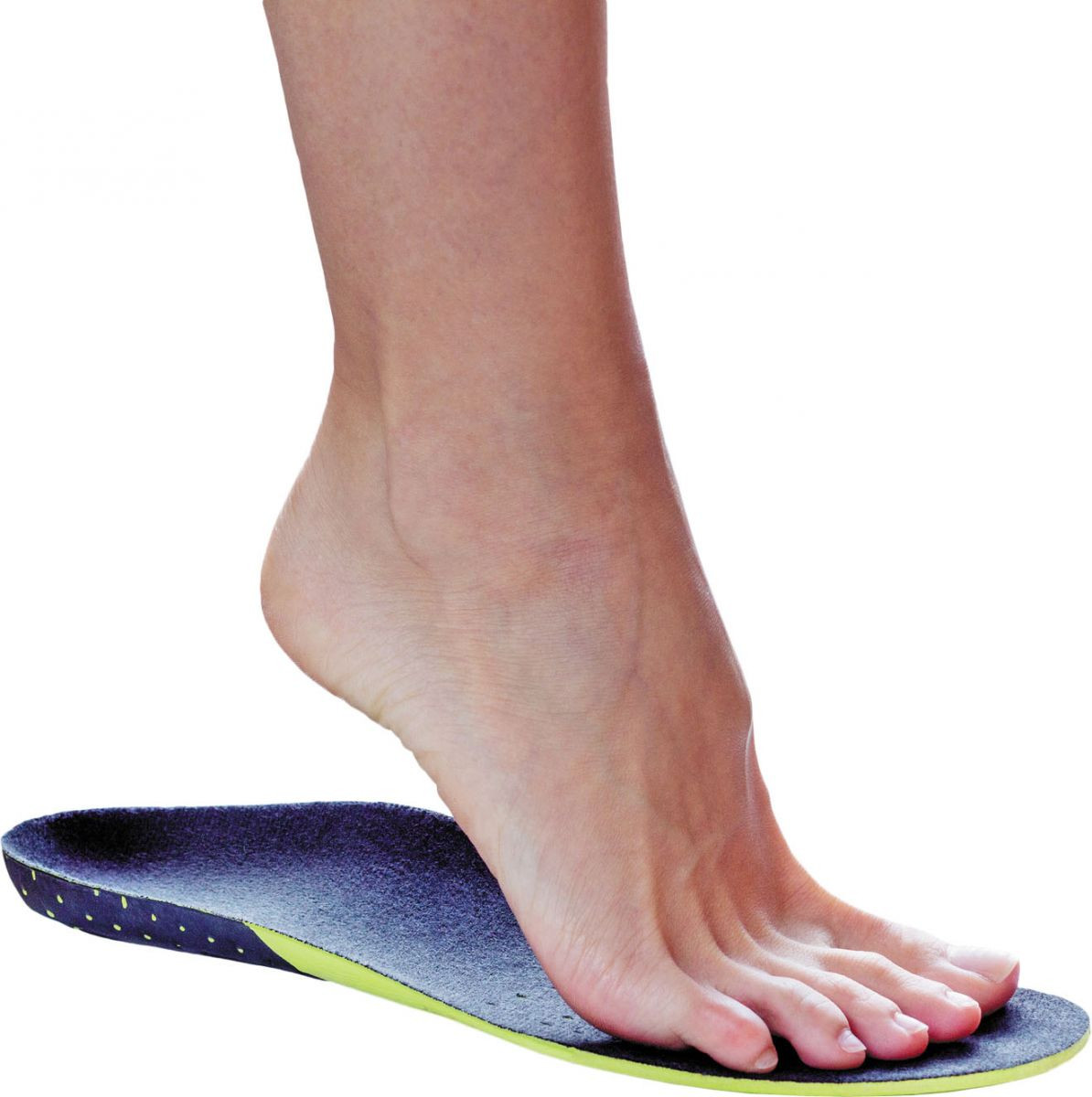
Custom orthotics appear no better than store-bought versions for heel pain
News briefs
When you have a type of heel pain known as plantar fasciitis, you may hear that getting a custom-made orthotic (an insole molded to your heel or your whole foot) can help ease your agony. But a study published online March 19, 2018, by the British Journal of Sports Medicine suggests that custom orthotics — which can run a few hundred dollars — are no more helpful than less expensive over-the-counter versions, which cost about $20 or less. Plantar fasciitis is an inflammation of the plantar fascia, a band of tissue that extends along the bottom of the foot from the heel to the toes. It's associated with flat feet, a lack of flexibility, and overuse. Researchers analyzed 20 randomized controlled studies (the gold standard in research) that included about 1,800 people and eight different types of foot orthotics. Scientists found no difference in short-term pain relief among people who used custom-made orthotics compared with people who used store-bought versions. They also found that orthotics weren't better at relieving pain or improving function compared with other treatments for heel pain, such as stretching, wearing a heel brace, or using a splint at night. Plantar fasciitis often gets better with time as well as rest, ice, over-the-counter painkillers, and exercises to improve calf strength.


The surprising side effects from using technology
Repetitive motion and poor posture can lead to aches and pains.
Image: © Johnny Greig/Getty Images
You've mastered the art of texting, emailing, and web surfing on your smartphone and computer. But along with that digital prowess, you've picked up an unexpected side effect.
"We get a number of patients who develop injuries from these activities," says Dr. Tamara Rozental, an orthopedic surgeon who specializes in hand, wrist, and elbow disorders at Harvard-affiliated Beth Israel Deaconess Medical Center.

Don’t allow arthritis to keep you from exercising
News briefs
Image: © adamkaz/Getty Images
Exercise is considered the most effective pill-free treatment to cope with the pain and stiffness of arthritis. And more people are getting advice from their health care providers about how to stay active, according to a study published online Jan. 5, 2018, by the CDC's Morbidity and Mortality Weekly Report. Researchers looked at national health surveys gathered from 2002 to 2014. In that period, there was an increase in the proportion of people with arthritis (osteoarthritis, rheumatoid arthritis, gout, lupus, or fibromyalgia) who said their clinician suggested physical activity to help reduce symptoms — from 52% in 2002 to about 60% in 2014. But by 2014, about 40% of arthritis sufferers still said they weren't getting exercise counseling. That's significant, considering that 91 million people ages 18 or older are affected by arthritis, according to a study published online Nov. 27, 2017, by Arthritis & Rheumatology. You don't have to wait for a doctor to suggest exercise as an arthritis treatment. Try something gentle, like walking, tai chi, or modified yoga. For more ideas, check out the Harvard Special Health Report The Joint Pain Relief Workout (www.health.harvard.edu/jprw).

Coffee: More links to health than harm
News briefs
Image: © Wavebreakmedia/Getty Images
Past studies have suggested that drinking coffee is associated with many health benefits, such as added longevity, lower blood pressure, less weight gain with aging, and a reduced risk of many diseases, including type 2 diabetes, liver disease, cardiovascular disease, several degenerative neurological diseases (like Parkinson's disease), and cancer. Now a massive review of more than 200 large studies, published Nov. 22, 2017, in The BMJ, backs up many of those links. The largest health benefits were associated with drinking three to four cups of coffee per day: drinking more than four cups per day did not bring additional benefits. It's not all good news, however; the study found that women who drank coffee had greater risks for fracture and pregnancy complications. But over all, the researchers say, coffee drinking appears to be safe. They caution that the findings are all based on observational studies, not randomized controlled trials — the gold standard of research.

Opening up arteries to treat stable angina: Just a sham?
A study questioned the benefit of stents for some heart patients. What does this mean for people with chest pain?
Last fall, many news outlets highlighted a study suggesting that a common heart procedure — inserting a stent to open a narrowed heart artery — was no better than a sham procedure (see "Stent vs. sham: A short summary"). But the big picture isn't quite so simple.
For instance, it's worth noting that six weeks prior to undergoing the procedures, all of the 200 people who completed the study were prescribed increasing doses of heart medications. Referred to as optimal medical therapy, this approach is a proven strategy for treating chest pain brought on by physical activity or emotional stress that promptly goes away with rest or nitroglycerin (so-called stable angina).
Reading the current blood pressure guidelines
Oat vs. dairy milk: Nutrition, benefits, and downsides
Microplastics: A hidden health threat?
Healing after food poisoning
What is tempeh? Benefits, nutrition, and how to use it
Light exposure at night may raise risk for heart disease
Whole grains may improve several heart risk factors at once
A lumbar belt may help ease low back pain
Children of centenarians may stay healthier and live longer too, study finds
Signs of pneumonia: Sometimes vague and unexpected
Free Healthbeat Signup
Get the latest in health news delivered to your inbox!
Sign Up
