

Estrogen-only hormone therapy tied to lower dementia risk
Should you have a hysterectomy?

Stair climbing may significantly lower cardiovascular risks

Why do I sweat so much?

Walking pneumonia: The "mild" illness that can still pack a punch

Tai chi walking: What is it and does it work?

What causes knee pain: How doctors make a diagnosis
Sacroiliac joint pain: Causes, symptoms, and exercises that help

Where you carry excess weight matters in predicting heart disease risk

Study: At-home colorectal cancer screening may significantly cut colon cancer deaths
MIND diet Archive
Articles

A practical guide to the Mediterranean diet
Making small, gradual changes to your eating habits and patterns is an easy way to incorporate the Mediterranean diet approach into your life.

4 essential nutrients — are you getting enough?
The latest update to the Dietary Guidelines for Americans states that many people are not getting enough of four essential nutrients: calcium, potassium, dietary fiber, and vitamin D. But how much of these nutrients should you aim for and what are some good sources for them?

Why eat lower on the seafood chain?
Cutting back on red meat and replacing it with poultry or seafood is a good choice because those are healthier sources of protein - and better for the environment. Choosing seafood that is lower on the food chain can amplify those benefits.

Eating more fish may help prevent macular degeneration
A study pooling data from more than 180,000 adults found that consuming more omega-3 fats (as found in fatty fish) was linked to 18% lower odds of age-related macular degeneration (AMD). Regularly eating omega-3-rich seafood may be a reasonable strategy for reducing the risk of AMD.

MIND diet may slow age-related brain changes
A long-running study found that closely following the MIND Diet was linked with significantly slower age-related brain changes, including 20% less shrinkage in grey matter—equivalent to slowing brain aging by 2.5 years. However, it’s not known if these changes translate to better brain function.

Is food sequencing worth a try?
Food sequencing calls for eating vegetables and protein before carbohydrates to help stabilize blood sugar and control appetite. Research suggests this pattern may reduce blood sugar spikes and lower hunger hormones, and it may naturally lead to eating fewer carbohydrates.

How much calcium do you really need?
500 to 700 milligrams of calcium through diet and 800 to 1,000 of vitamin D as a supplement should be adequate to preserve bone density.

Is low-fat or full-fat the better choice for dairy products?
Full-fat dairy products can bring health risks because of the high levels of saturated fat they contain. To ensure good health and good nutrition, it's important to keep tabs on the amount of saturated fat you eat, and focus on eating a healthy diet rich in fruits, vegetables, and healthy fats.
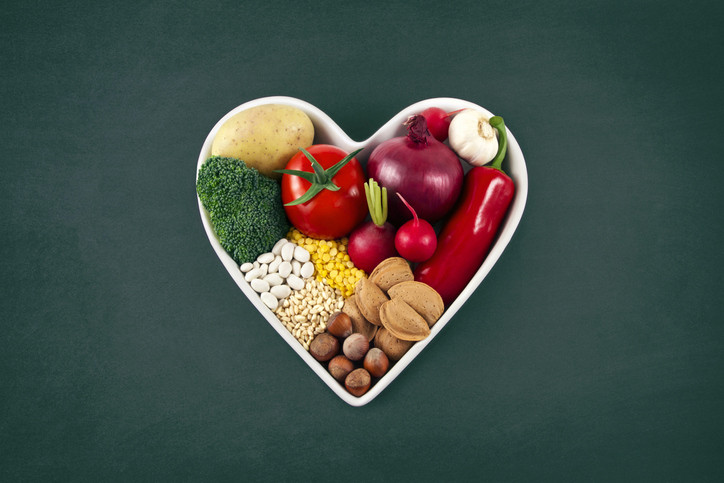
3 easy ways to eat a healthier diet
The very best intentions for healthy eating can fail if a new diet is too ambitious or restrictive. Taking small, easy steps toward healthier eating-and taking them one at a time-can help you make lasting changes.

Taking too much vitamin D can cloud its benefits and create health risks
Vitamin D supplements have been growing in popularity, but they're not always needed or taken in the correct doses.
Estrogen-only hormone therapy tied to lower dementia risk
Should you have a hysterectomy?
Stair climbing may significantly lower cardiovascular risks
Why do I sweat so much?
Walking pneumonia: The "mild" illness that can still pack a punch
Tai chi walking: What is it and does it work?
What causes knee pain: How doctors make a diagnosis
Sacroiliac joint pain: Causes, symptoms, and exercises that help
Where you carry excess weight matters in predicting heart disease risk
Study: At-home colorectal cancer screening may significantly cut colon cancer deaths
Free Healthbeat Signup
Get the latest in health news delivered to your inbox!
Sign Up
