










MIND diet may slow age-related brain changes
News briefs
- Reviewed by Howard E. LeWine, MD, Chief Medical Editor, Harvard Health Publishing; Editorial Advisory Board Member, Harvard Health Publishing
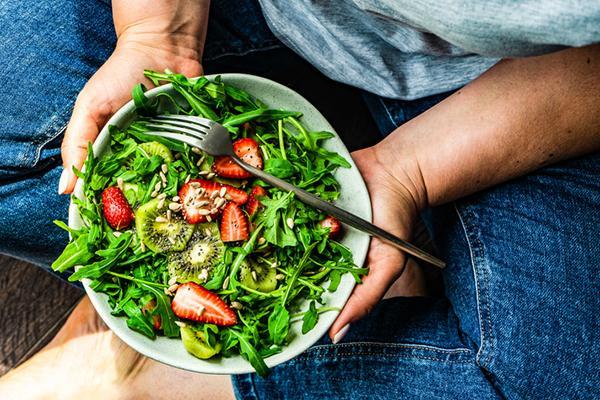
Research has linked the MIND diet to slower cognitive decline and perhaps a lower risk of dementia. Now, findings from the Framingham Heart Study Offspring Cohort suggest a reason: following the diet may help preserve some of your brain’s structure as you age.
In the study, published in the June 2026 issue of the Journal of Neurology, Neurosurgery & Psychiatry, researchers looked at dietary records from 1,647 adults (54% female, average age 61 at study’s start), scoring them on a 15-point scale based on how closely they followed the MIND eating pattern. Participants had at least two brain scans and regular check-ups over an average of about 12 years.
Those whose diets adhered most closely to the MIND pattern showed significantly slower structural brain aging. Specifically, every three-point increase in the diet score was linked to about 20% less shrinkage in grey matter — the tissue involved in a host of essential brain functions, including memory, thinking, and decision making. The change was equivalent to slowing brain aging by about two-and-a-half years. MIND diet followers also showed slower enlargement of the brain’s ventricles (fluid-filled spaces that expand as brain tissue shrinks with age).
These observational findings can’t prove the MIND diet was protective — and it’s not known if the structural changes translate to better cognitive function. But they add to a growing body of research connecting diet and brain health.
Image: © annabogush/Getty Images
About the Author

Joyce Hendley, Staff Writer
About the Reviewer
Howard E. LeWine, MD, Chief Medical Editor, Harvard Health Publishing; Editorial Advisory Board Member, Harvard Health Publishing
Disclaimer:
As a service to our readers, Harvard Health Publishing provides access to our library of archived content. Please note the date of last review or update on all articles.
No content on this site, regardless of date, should ever be used as a substitute for direct medical advice from your doctor or other qualified clinician.


