

Even a little exercise linked with lower stroke risk in people with afib

Testosterone therapy without evidence of deficiency may boost heart risk

Weight-loss drug may lower risk of heart attacks and infections

What to eat on the DASH diet

Migraine: How it's diagnosed and what that means

Tricep workouts you can do at home

Mindfulness practices to reduce stress and improve focus

Antihistamines may not offer meaningful relief from eczema symptoms

Overweight and taking blood pressure medications: Study finds it's a trend that's working

FDA approves first mRNA-based flu vaccine
Mind & Mood Archive
Articles
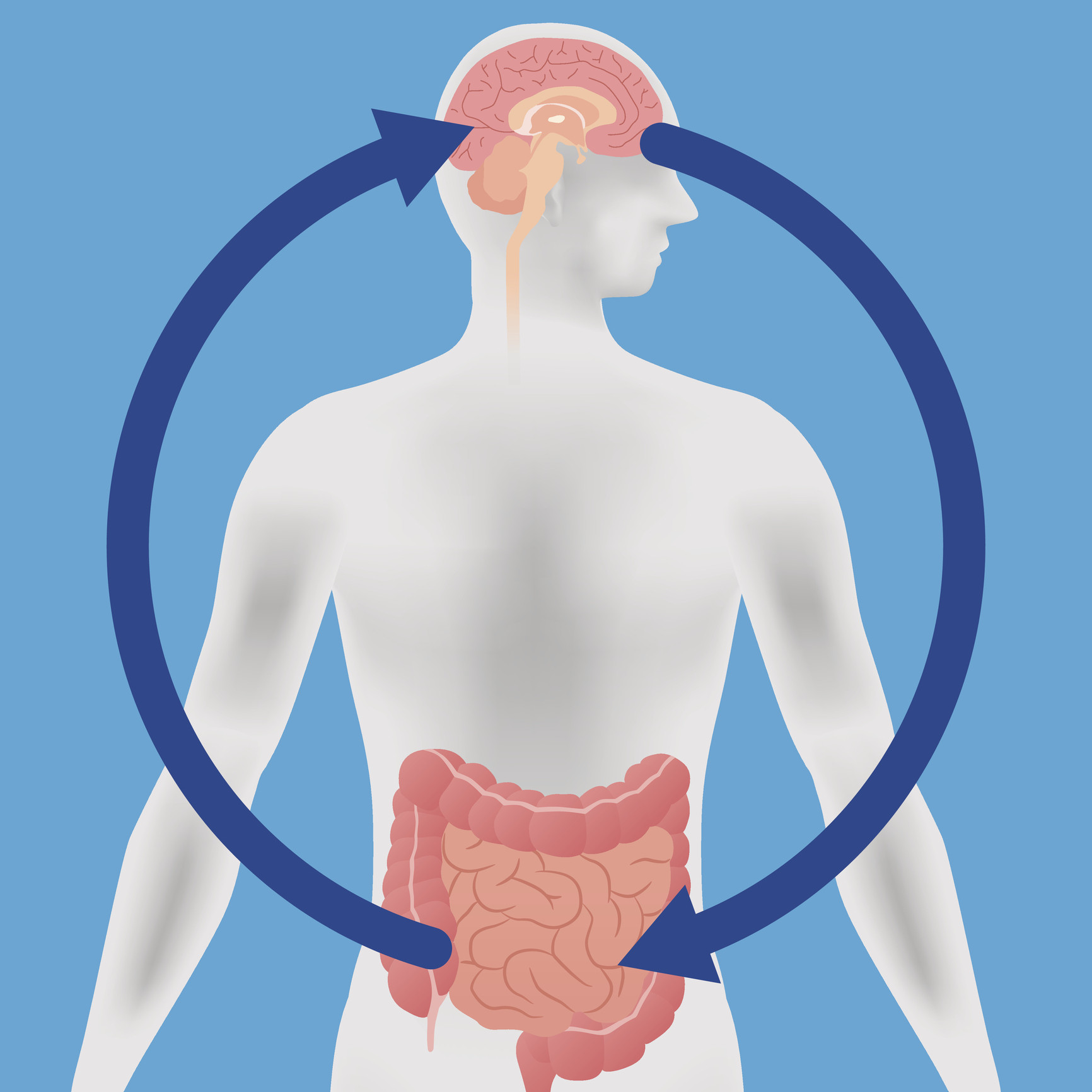

Chronic illness is a part-time job. It shouldn’t be
As currently structured, the American health care system makes it very difficult for those with chronic illnesses to manage their conditions, causing them to perform the equivalent of unpaid labor.

This is your brain on alcohol
It's no secret that alcohol affects our brains. Although excessive drinking is linked to an increased risk of dementia, decades of observational studies have indicated that moderate drinking has few ill effects. However, a recent British study seems to have bad news for moderate drinkers.
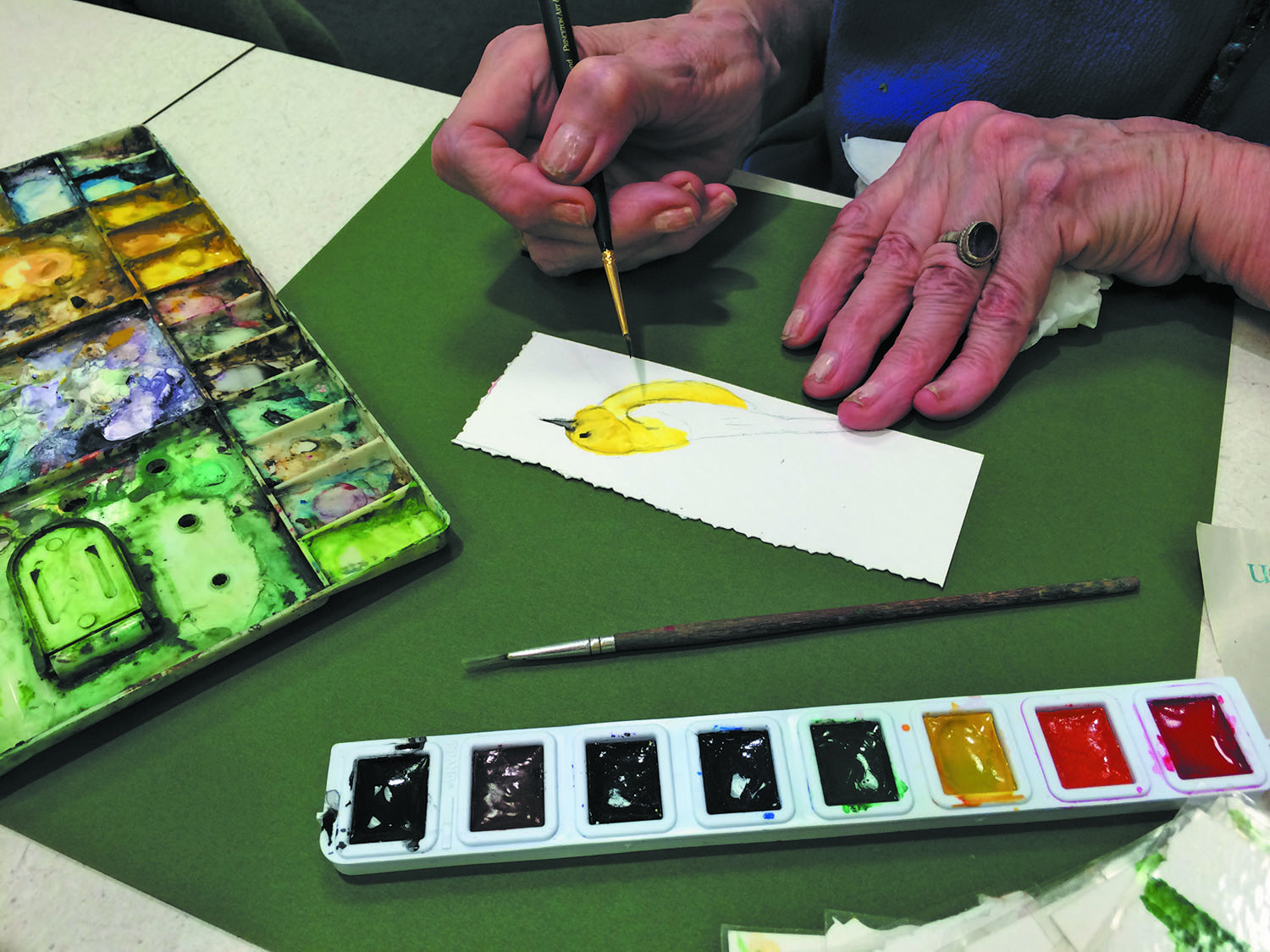
The healing power of art
Creative activities can relieve stress, aid communication, and help arrest cognitive decline.
Image: © Katherine A. Gallagher Integrative Therapies Art Therapy Program at the Mass. General Cancer Center
The title of a recent documentary film, I Remember Better When I Paint, sums up the findings of a growing body of research into the cognitive effects of making art. The movie demonstrates how drawing and painting stimulated memories in people with dementia and enabled them to reconnect with the world. People with dementia aren't the only beneficiaries. Studies have shown that expressing themselves through art can help people with depression, anxiety, or cancer, too. And doing so has been linked to improved memory, reasoning, and resilience in healthy older people.


Treating anxiety without medication
| Image: iStock |
If you suffer from anxiety, the constant, nagging feelings of worry can be troubling and hard to control. These feelings are usually intense and out of proportion to the actual troubles and dangers in your everyday life. They can make it hard to function at home, at work, or in social situations.
Anxiety can be treated with medication, but several mind-body approaches may also be effective.

Safe injection sites and reducing the stigma of addiction
The scope of the opioid crisis in the US has led some communities to revise their view of substance use disorders. One idea is creating supervised injection facilities that would provide a safe environment and make treatment resources available.

Drinking — and binge drinking — growing more common among older women
Research we're watching
A new study from researchers at the National Institutes of Health indicates that the rate of drinking in general, and binge drinking in particular, is rising faster among women ages 60 or older than among their male contemporaries. When the researchers analyzed data from National Health Interview Surveys from 1997 through 2014, they found that the proportion of older women drinkers increased at a rate of 1.6% a year, compared with 0.7% for older men. Binge drinking — defined as imbibing four or more drinks within two hours — increased by 3.7% annually among older women, but held steady among older men. The results were reported online March 24, 2017, by Alcoholism: Clinical and Experimental Research.
The researchers speculated that baby boomers, who tended to drink more than earlier generations did in youth, have continued their habits as they've aged. Whatever the reason, the trend doesn't bode well for older women's health. Because of biological differences, at any level of alcohol consumption, women have a higher blood alcohol concentration than men, putting them at greater risk of cognitive impairment and falls. It's a good idea to limit alcohol consumption to seven drinks a week, with no more than three drinks at a sitting.

Can relationships boost longevity and well-being?
Harvard research suggests meaningful relationships are a prescription for better emotional, mental, and physical health.
Image: © digitalskillet/Thinkstock
You probably know there are many ways to improve your well-being and chances of living longer, such as exercising more or eating better. But did you know that maintaining meaningful relationships also may play an important role in health, happiness, and longevity? "Good, close relationships appear to buffer us from the problems of getting old," says Dr. Robert Waldinger, a psychiatrist with Harvard-affiliated Massachusetts General Hospital.
Eight decades of research
Dr. Waldinger is the current director of the Harvard Study of Adult Development, an ongoing analysis that's followed more than 700 men since they were teenagers in 1938. More than 60 of the original participants, now in their 90s, are still taking part.

Looking for early signs of Alzheimer’s
By the time memory loss shows up, the disease is well under way. Researchers are finding ways that may reveal brain changes sooner.
For a long time, memory loss was seen as the telltale sign of Alzheimer's disease. While this is certainly the most common symptom, it may not be the best way to identify the disease in its early stages.
"A major problem of Alzheimer's diagnosis, and ultimately effective treatment, is that by the time the first clinical symptoms appear, irreversible damage to the brain has already occurred," says Dr. Seth Gale, a neurologist with Harvard-affiliated Brigham and Women's Hospital. "It is now believed that Alzheimer's-related changes begin in the brain at least a decade before any symptoms emerge."
Even a little exercise linked with lower stroke risk in people with afib
Testosterone therapy without evidence of deficiency may boost heart risk
Weight-loss drug may lower risk of heart attacks and infections
What to eat on the DASH diet
Migraine: How it's diagnosed and what that means
Tricep workouts you can do at home
Mindfulness practices to reduce stress and improve focus
Antihistamines may not offer meaningful relief from eczema symptoms
Overweight and taking blood pressure medications: Study finds it's a trend that's working
FDA approves first mRNA-based flu vaccine
Free Healthbeat Signup
Get the latest in health news delivered to your inbox!
Sign Up
