

Even a little exercise linked with lower stroke risk in people with afib

Testosterone therapy without evidence of deficiency may boost heart risk

Weight-loss drug may lower risk of heart attacks and infections

What to eat on the DASH diet

Migraine: How it's diagnosed and what that means

Tricep workouts you can do at home

Mindfulness practices to reduce stress and improve focus

Antihistamines may not offer meaningful relief from eczema symptoms

Overweight and taking blood pressure medications: Study finds it's a trend that's working

FDA approves first mRNA-based flu vaccine
Mind & Mood Archive
Articles

Short circuit migraines before they start
Author and migraine sufferer Joan Didion once wrote, "That no one dies of migraine seems, to someone deep into an attack, an ambiguous blessing." At that time, migraines weren't something that could be prevented. Today, that's a possibility for some people who have severe migraines, frequent migraines (more than three or four times a month), or migraines that don't respond well to treatment.
The cornerstone of migraine prevention is managing triggers like stress or certain foods or strong perfumes. Alternative and complementary therapies (like acupuncture) help some migraine sufferers keep headaches at bay.

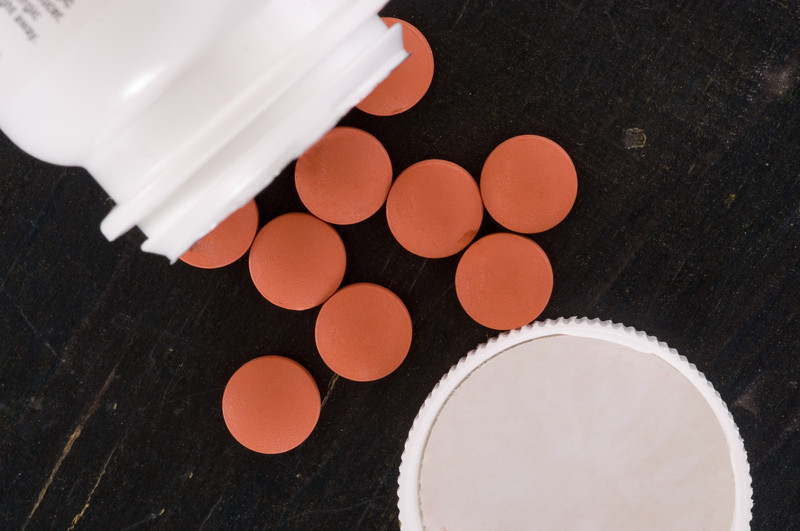
The downside of taking pills to treat chronic pain
When the risks of medication outweigh the benefits.
Image: © iStock
Taking over-the-counter or prescription painkillers may seem like a simple solution for chronic pain. It's actually a bit more complicated, yet many older adults aren't aware of potential problems. "They think that if it doesn't require a prescription, it's safe. But there are some long-term health risks," says Dr. Edgar Ross, director of the Pain Management Center at Harvard-affiliated Brigham and Women's Hospital.
Here's what you should know about some commonly used pain relievers.

What you can learn from wellderlies
Some people live long lives with no disease or serious illness. What can they teach you about healthy living?
Image: Creatas | Thinkstock /Thinkstock
You won't live forever, but it may be possible to live a long and maybe disease-free life by following the lead of "wellderlies."
This is a term to describe a special group of people who have reached ages 90 to 100 without having any major health issue or disease. And if they do get sick, it often happens late in their life and a short period before death.

Look on the bright side and maybe even live longer
Studies suggest that adopting a sunnier outlook may improve your health and even extend your life.
Image: © lzf /Thinkstock
In these turbulent times, it's sometimes a struggle to maintain a glass-half-full view of life. But if you can, it may serve you well. A growing body of research links optimism—a sense that all will be well—to a lower risk for mental or physical health issues and to better odds of a longer life.
One of the largest such studies was led by researchers Dr. Kaitlin Hagan and Dr. Eric Kim at Harvard's T.H. Chan School of Public Health. Their team analyzed data from 70,000 women in the Nurses' Health Study who, in 2004, had answered questions about how they viewed their futures

Take steps to prevent or reverse stress-related health problems
The relaxation response appears to manage stress and some chronic conditions at the deepest levels.
Image: © XiXinXing/Thinkstock
Chronic stress takes a toll on the body: it contributes to everything from high blood pressure and heart disease to anxiety, digestive disorders, and slow wound healing. On the flip side, managing stress helps control many chronic conditions or reduce your risk for developing them. Strategies include regular exercise, a healthy diet, and better sleep. And one strategy in particular—eliciting the relaxation response—may enable you to manage stress right down to your genes.
The anti-stressor
Relaxation response and genes
In the past decade, several studies from the Benson-Henry Institute have suggested that the relaxation response is associated with changes in genes that influence health. Among the findings are effects on the following:
Blood pressure. The relaxation response may activate genes associated with dilating the blood vessels and reduce activity of genes associated with blood vessel narrowing and inflammation. "It increases nitric oxide production, which in-creases the elasticity of the blood vessels and relaxes them," says Dr. Mehta. That can help lower blood pressure.
Blood sugar. The relaxation response may improve insulin activity by activating genes that help to control blood sugar.
Digestion. The relaxation response may reduce the activity of genes directly linked to the processes of inflammatory bowel disease (including Crohn's disease and ulcerative colitis). "Stress stimulates the digestive tract, which may cause diarrhea or nausea. The relaxation response returns gastrointestinal movement to a balanced state," explains Dr. Mehta.
Inflammation. "The relaxation response appears to turn off genes implicated in inflammation, and the stress response itself," says Dr. Mehta. While we need inflammation to fight infection and heal the body, chronic stress puts the body in a constant state of inflammation. That can increase plaque buildup inside coronary arteries, which may raise the risk for heart attack, stroke, and chest pain, and can also trigger unregulated cell growth, contributing to cancer risk. Does this mean the relaxation response can prevent health problems, or even reverse health problems that have already appeared? "It's encouraging, and we are studying that question right now," says Dr. Mehta.
Trigger the response
More ways to get there
Other techniques that evoke the relaxation response include mindfulness meditation, tai chi, yoga, and the following methods.
Focused breathing. Focusing on slow, deep breaths can be calming. Make sure your belly moves in and out as you breathe.
A body scan. Concentrate on one part of the body. Imagine it is open, warm, and relaxed, and that you are releasing tension from that area. Move on to another body part and repeat the process.
Guided imagery. Create a soothing scene in your mind that makes you feel relaxed. It may be a place or an experience. Allow your senses to be involved, imagining the smells you are encountering, the sounds you are hearing, and the ways things feel in your hands.
Repetitive prayer. Repeat a favorite prayer from your faith either silently or out loud. You can use a guide (such as your breathing or a rosary) to help with the repetition.
For more information, contact the Benson-Henry Institute for Mind Body Medicine at 617-643-6090 or www.bensonhenryinstitute.org.
Is health anxiety linked to heart disease?
It appears that health anxiety may be associated with a greater risk for developing heart disease.


Low-tar cigarettes are not a safer choice
Studies show smoking high-tar unfiltered cigarettes, as opposed to medium-tar filtered cigarettes, greatly increases your risk of lung cancer. So, cigarettes labeled as low-tar or ultra light are an even safer choice, right? Wrong. A study comparing the lung cancer risks of different types of cigarettes found this seemingly logical assumption is false.
The study six years and involved over 900,000 Americans over the age of 30. The researchers compared the risk of death from lung cancer among men and women who were smokers, former smokers, or had never smoked. When analyzed according to the tar rating of cigarette smoked, the results of the study showed the risk of lung cancer death was greatest for smokers of high-tar unfiltered cigarettes. The risk of lung cancer death was no different among smokers of medium-, low-, and very low-tar cigarettes.
Even a little exercise linked with lower stroke risk in people with afib
Testosterone therapy without evidence of deficiency may boost heart risk
Weight-loss drug may lower risk of heart attacks and infections
What to eat on the DASH diet
Migraine: How it's diagnosed and what that means
Tricep workouts you can do at home
Mindfulness practices to reduce stress and improve focus
Antihistamines may not offer meaningful relief from eczema symptoms
Overweight and taking blood pressure medications: Study finds it's a trend that's working
FDA approves first mRNA-based flu vaccine
Free Healthbeat Signup
Get the latest in health news delivered to your inbox!
Sign Up
