

Even a little exercise linked with lower stroke risk in people with afib

Testosterone therapy without evidence of deficiency may boost heart risk

Weight-loss drug may lower risk of heart attacks and infections

What to eat on the DASH diet

Migraine: How it's diagnosed and what that means

Tricep workouts you can do at home

Mindfulness practices to reduce stress and improve focus

Antihistamines may not offer meaningful relief from eczema symptoms

Overweight and taking blood pressure medications: Study finds it's a trend that's working

FDA approves first mRNA-based flu vaccine
Mind & Mood Archive
Articles

What to do about mild cognitive impairment
MCI can be tough to identify, but there may be ways to postpone, and possibly prevent, its impact on memory and thinking.
Everyone has the occasional bout of forgetfulness, whether it's misplacing your keys or blanking out on a name. But if these episodes become frequent or interfere with daily life, you may have mild cognitive impairment, or MCI.
MCI falls somewhere between the usual cognitive decline of normal aging and the more serious signs of dementia and Alzheimer's disease. An estimated 10% to 20% of adults older than 65 have MCI, according to the Alzheimer's Association. But this gray area of brain health is often difficult to detect.

7 ways to prevent holiday stress — for your children
While the holiday season brings excitement and activity, it also creates stress for many people, and that can affect children too. With some thought and planning, parents can make the holidays more enjoyable for their kids and themselves.

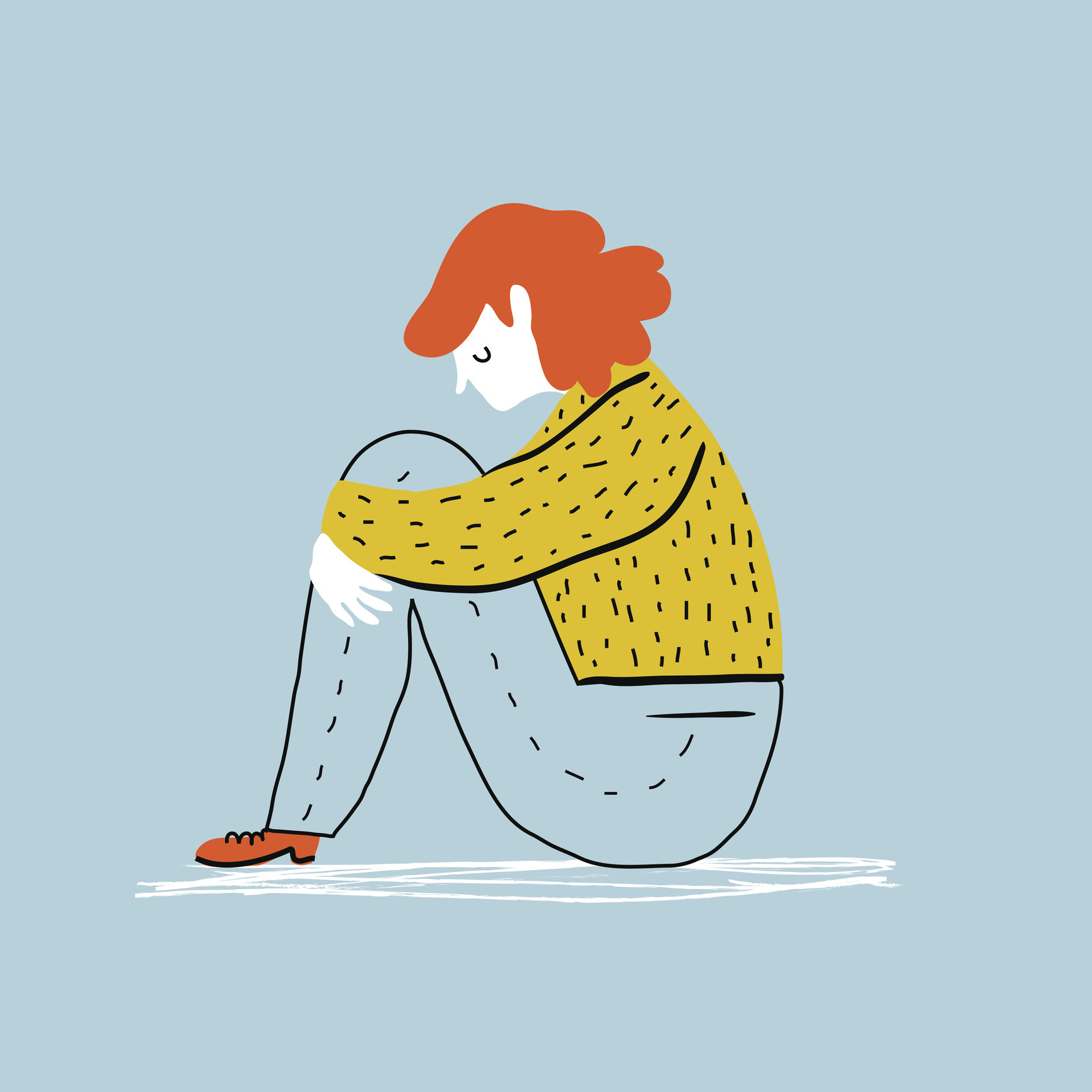
Addiction, the opioid crisis, and family pain
The changes in understanding around substance use disorders are making treatment more readily available to those who need it and reducing the stigma attached to addiction, but may make those with addiction in their family history feel that the change has come too late for them.

Avoid drowsiness after holiday feasts
Ask the doctor
Image: © circlePS/Thinkstock
Q. Is there a way to avoid feeling sleepy after a holiday meal?
A. That's an unusual question: my patients usually ask me about foods to help them sleep. But with the holidays coming, the concern often is reversed. You may be with friends and family that you see only infrequently, and you don't want to nod off during the conversation.

Can brain training programs actually improve memory?
On call
Image: © Digital Vision/Thinkstock
Q. I have been seeing a lot about brain training programs to improve memory. Do they really work?
A. Brain training programs promise to preserve cognitive abilities, but so far research has not found they can delay or prevent brain decline.

Ramp up your resilience!
Being resilient is a skill you can learn and sharpen, and it's never too late to give it a try.
Image: © Ariel Skelley/Thinkstock
The ability to bounce back from stress or adversity is important throughout life, especially in our older years. That's when we face many transitions, such as health problems; job, income, and home changes; the loss of loved ones; and isolation or separation from friends, grown children, and grandchildren. How we adjust to these changes helps determine what life will look like moving forward. "Many people are living longer, and we want to make the most of these years so people can thrive," says Laura Malloy, the Successful Aging program director at the Harvard-affiliated Benson-Henry Institute for Mind Body Medicine.
The benefits of resilience
Coping with stress in a positive way is known as resilience, and it has many health benefits. It's associated with longevity, lower rates of depression, and greater satisfaction with life. "There's a sense of control, and it helps people feel more positive in general," Malloy says.


Anxiety and heart disease: A complex connection
A little bit of worry and stress is normal — even beneficial. But chronic anxiety may raise your risk for heart problems.
Image: © grinvalds/Thinkstock
If you feel anxious now and then, that's perfectly normal. In fact, worrying can spur you to take positive action that may benefit your health, such as getting screening tests or doing regular exercise. But excessive worrying can have the opposite effect.
"Small amounts of anxiety and stress can push people to be more productive. The problem happens when anxiety becomes so overwhelming that you're unable to function normally," says Dr. Christopher Celano, a psychiatrist at the Cardiac Psychiatry Research Program at Harvard-affiliated Massachusetts General Hospital. That level of worry and stress may represent an anxiety disorder, a group of conditions that affect some 40 million adults in this country.

Opioid misuse rising among older adults
Research we're watching
A growing number of older adults are misusing opioids, according to a new report by the Substance Abuse and Mental Health Services Administration of the U.S. Department of Health and Human Services. The 2014 National Survey on Drug Use and Health showed that the percentage of adults ages 50 and older using heroin or misusing prescription opioids jumped from 1.1% to 2% between 2002 and 2014. In contrast, opioid use in adults ages 18 to 25 dropped from 11.5% to 8.1% over the same period.
Drug use can bring particular risks to the health and well-being of older adults because they are more likely than younger people to have other illnesses and often take medications that can interact with opioids, according Center for Substance Abuse Treatment. "These findings highlight the need for prevention programs for all ages as well as to establish improved evidence-based treatment, screening, and appropriate referral services," Dr. Kimberly Johnson, director for the Center for Substance Abuse Treatment, said in a written statement.
Even a little exercise linked with lower stroke risk in people with afib
Testosterone therapy without evidence of deficiency may boost heart risk
Weight-loss drug may lower risk of heart attacks and infections
What to eat on the DASH diet
Migraine: How it's diagnosed and what that means
Tricep workouts you can do at home
Mindfulness practices to reduce stress and improve focus
Antihistamines may not offer meaningful relief from eczema symptoms
Overweight and taking blood pressure medications: Study finds it's a trend that's working
FDA approves first mRNA-based flu vaccine
Free Healthbeat Signup
Get the latest in health news delivered to your inbox!
Sign Up
